

AT A GLANCE
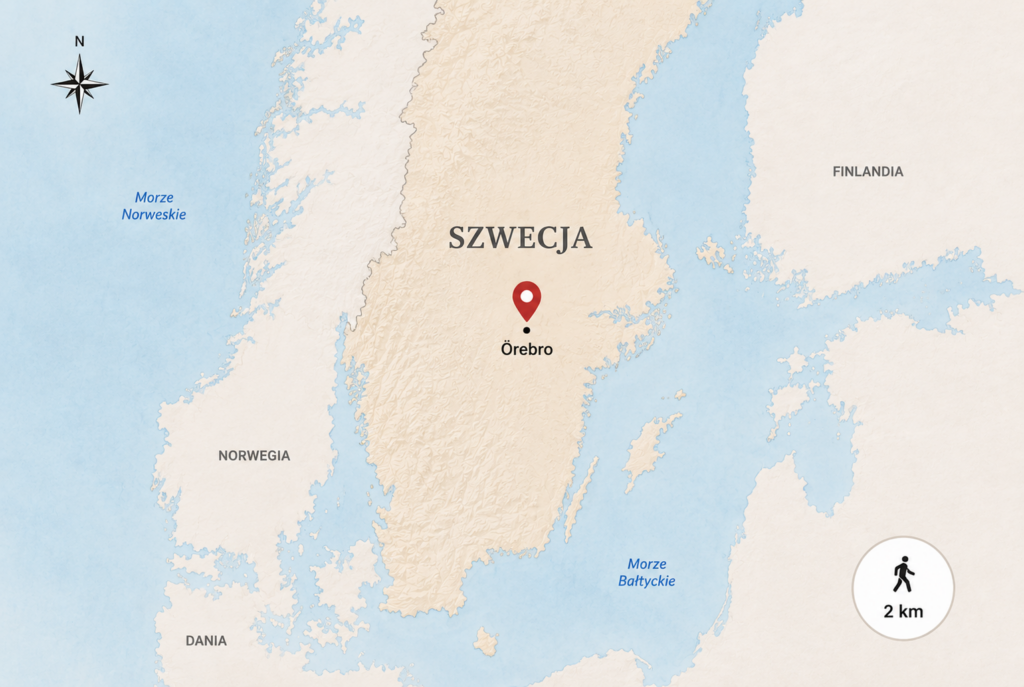
Location Örebro, Sweden
Region Närke
City character: a historic city with a castle on the Svartån River
Sightseeing time: 2–3 hours
Best for: Örebro castl, riverside walks and architectural photography
Admission: Free (castle admission is charged separately)
Official website: visitorebro.se
My Rating: 7/10
I RETURNED TO ÖREBRO SEVERAL TIMES
At the turn of 2025 and 2026, I visited Sweden three times. Once I travelled to Stockholm, while two of those trips took me to Örebro. During my first visit, my stay was limited to unloading the truck and heading straight back towards the port. There was no time for a walk or to explore the city. However, that wasn't actually my first time in Örebro. I had already been here about a year and a half earlier. Back then it was summer, and I was travelling with my bicycle, which allowed me to see part of the city. Unfortunately, I didn't keep many photos from that visit. At the time, photography was simply a way for me to preserve memories from my travels. I didn't pay much attention to light, composition, or details. Only with time did I begin to look at the places I visited differently—not just as another stop along my route, but as stories that could be told through photographs.
When I found out that I would be returning to Örebro and that this time I would arrive on Saturday evening, with the delivery scheduled for Monday, I was genuinely excited. It meant one thing—I could spend the entire Sunday exploring the city at my own pace. No rush, no constantly checking the time, and no need to hurry back to the truck.
Although spring was just around the corner and nature was already beginning to awaken in many parts of Europe, winter still had a firm grip on Sweden. Örebro welcomed me with freezing temperatures and a true winter landscape, so all the photographs you'll see in this article capture the city in its cold and frosty atmosphere.
WHY YOU SHOULD VISIT ÖREBRO
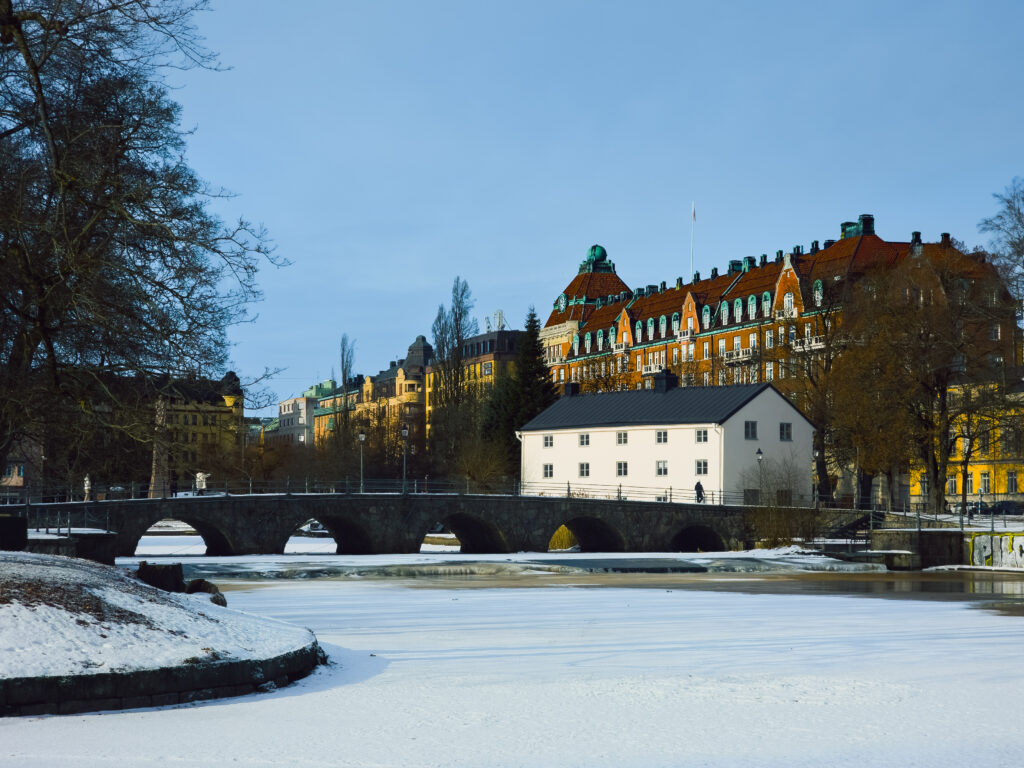
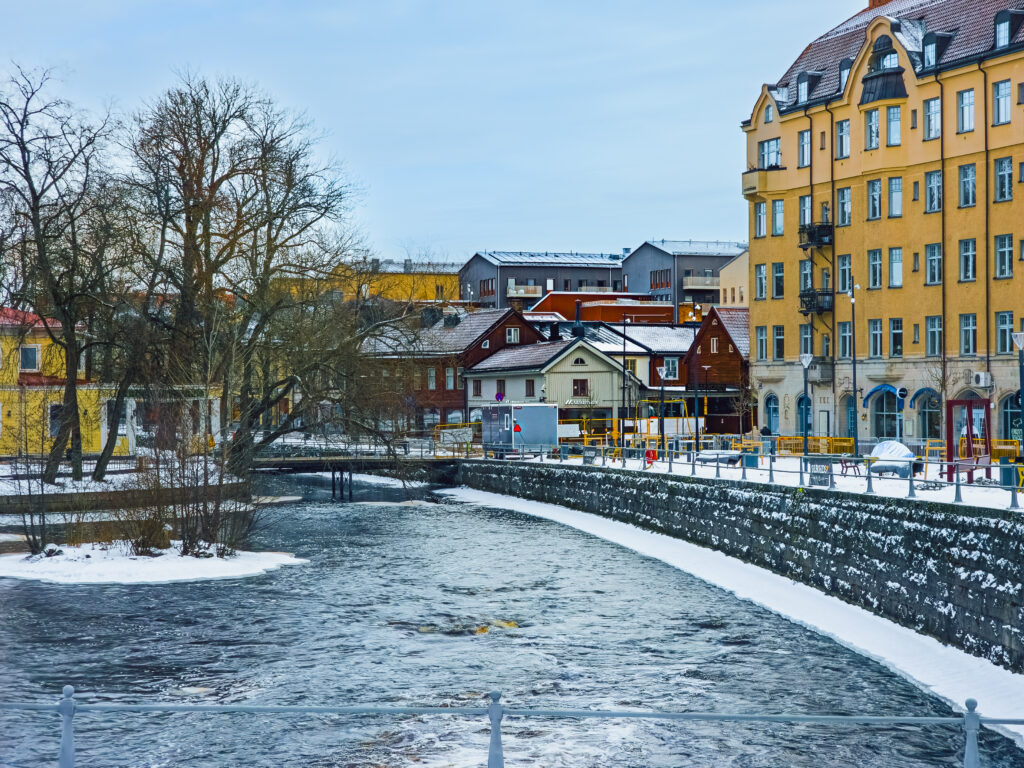
I'm not going to claim that Örebro is a must-see destination on every trip to Sweden, because in my opinion, it isn't. However, if you happen to be in the area and have a few hours to spare, it's definitely worth taking a walk around the city. Örebro is peaceful, well-kept, and genuinely pleasant, with its Scandinavian character visible almost everywhere you look. Colourful buildings, the frozen Svartån River, stone bridges, and charming narrow streets create an atmosphere that's hard to find elsewhere in Europe. It's not a city that impresses with a long list of attractions, but rather with its unique atmosphere and sense of calm.
What impressed me the most was how naturally the city blends its historic architecture with nature. The Svartån River flowing through the centre, numerous bridges, and frozen waterways make even an ordinary walk an enjoyable experience. Above all, it's this peaceful Scandinavian character that I remember most about Örebro.
WHAT TO SEE IN ÖREBRO?
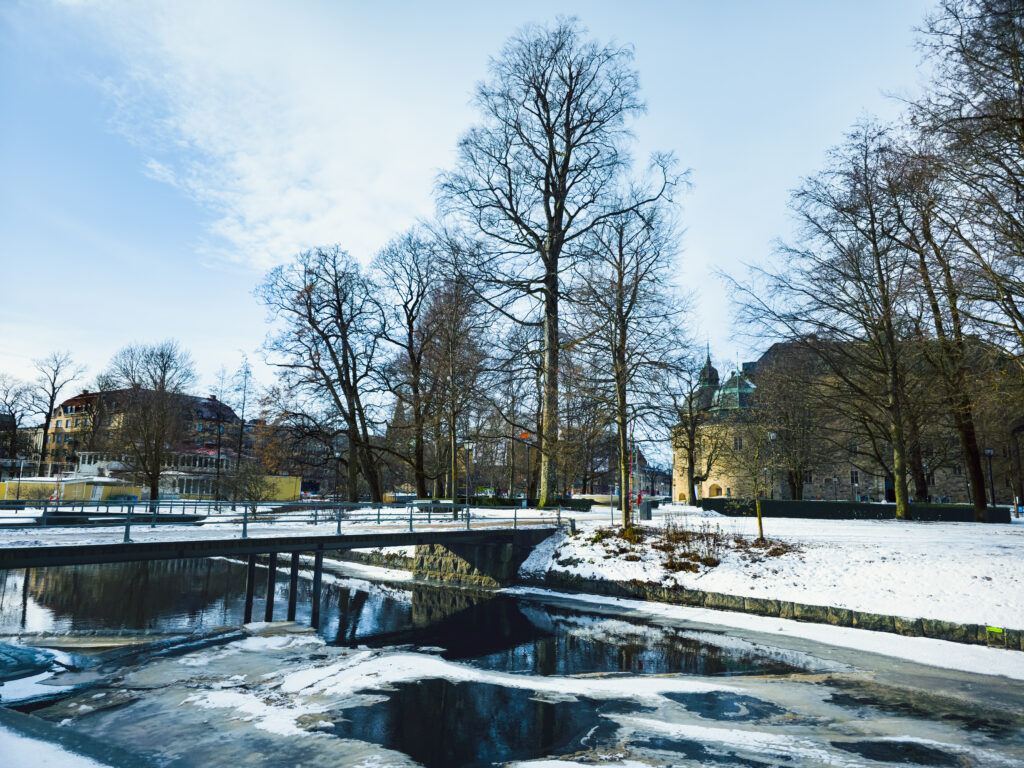
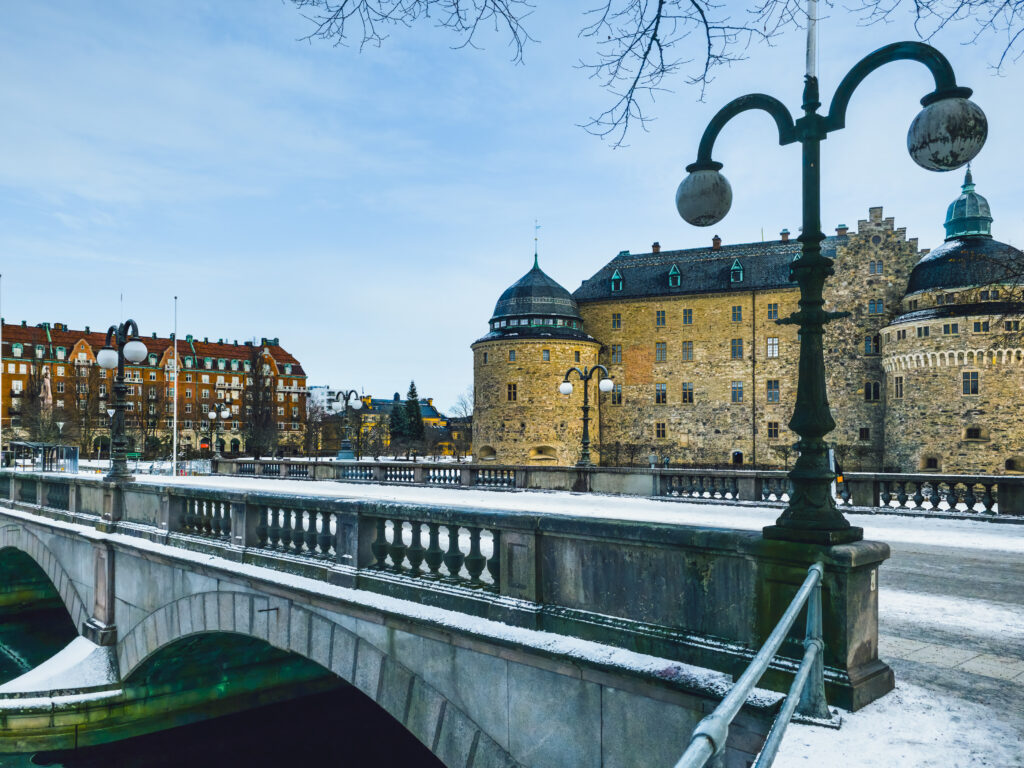
Without a doubt, the most iconic landmark in Örebro is Örebro Slott, a castle situated on a small island in the middle of the Svartån River. Its history dates back to the 13th century, when it served as a fortress guarding an important trade route. Over the centuries, it was rebuilt several times, which is why today it combines elements of a medieval fortress with later Renaissance architecture.
During my visit, I decided not to explore the castle's interior. I was much more interested in taking a leisurely walk around the city and seeing it from different perspectives. Even from the outside, the castle makes a great impression, and the bridges and promenades surrounding it make it the city's most recognisable landmark.
During my visit, I decided not to explore the castle's interior. I was much more interested in taking a leisurely walk around the city and seeing it from different perspectives. Even from the outside, the castle makes a great impression, and the bridges and promenades surrounding it make it the city's most recognisable landmark.
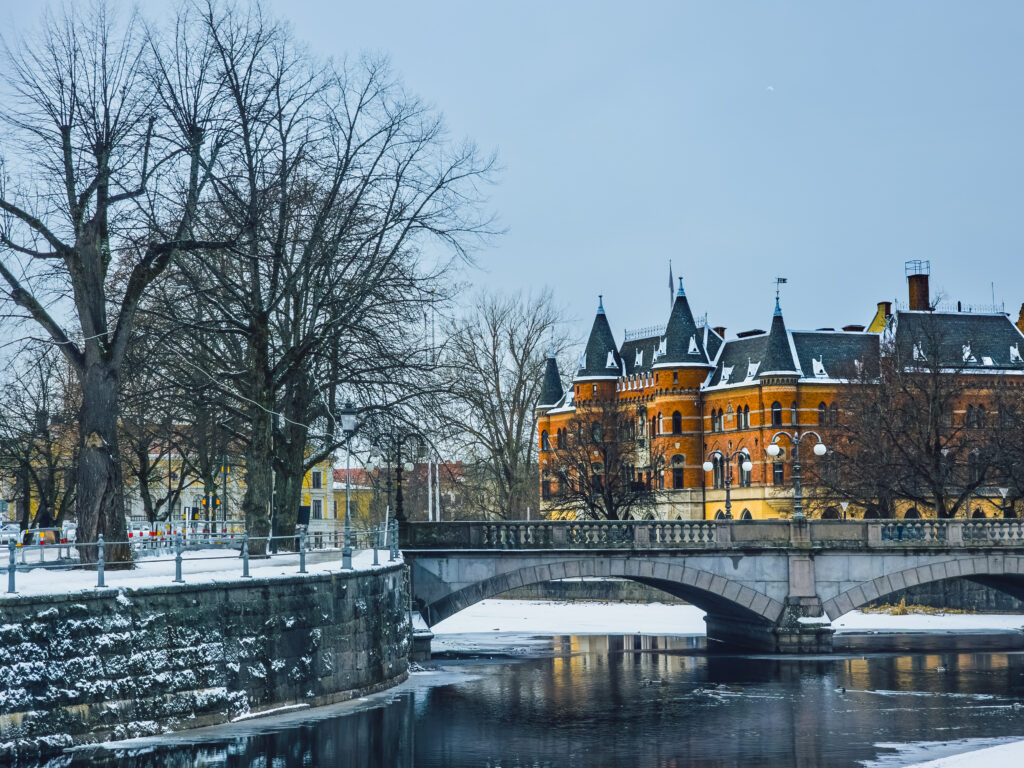
Just a few minutes' walk from the castle stands Hotel Borgen. When I first saw it, I was convinced I was looking at a small palace or another historic building. Only after a moment did I realise it was actually a hotel. Its distinctive architecture, inspired by medieval castles, immediately catches the eye. Even if you're not planning to stay there, it's worth walking over and taking a closer look at its details. It's one of those places that's impossible to pass by without noticing.
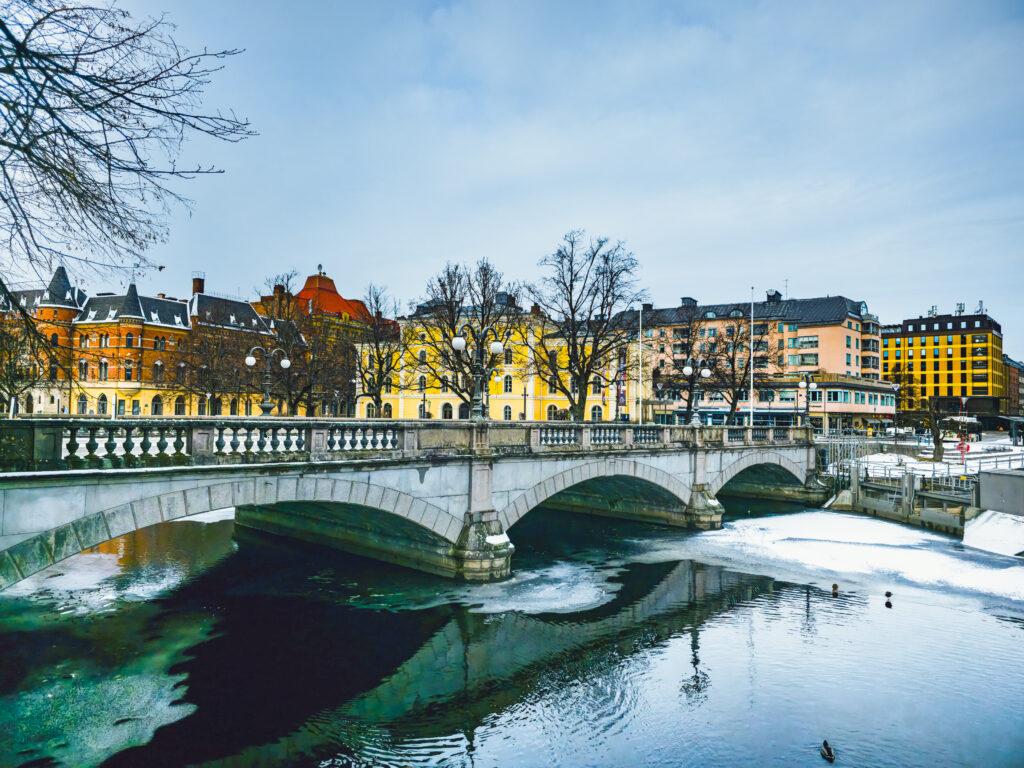
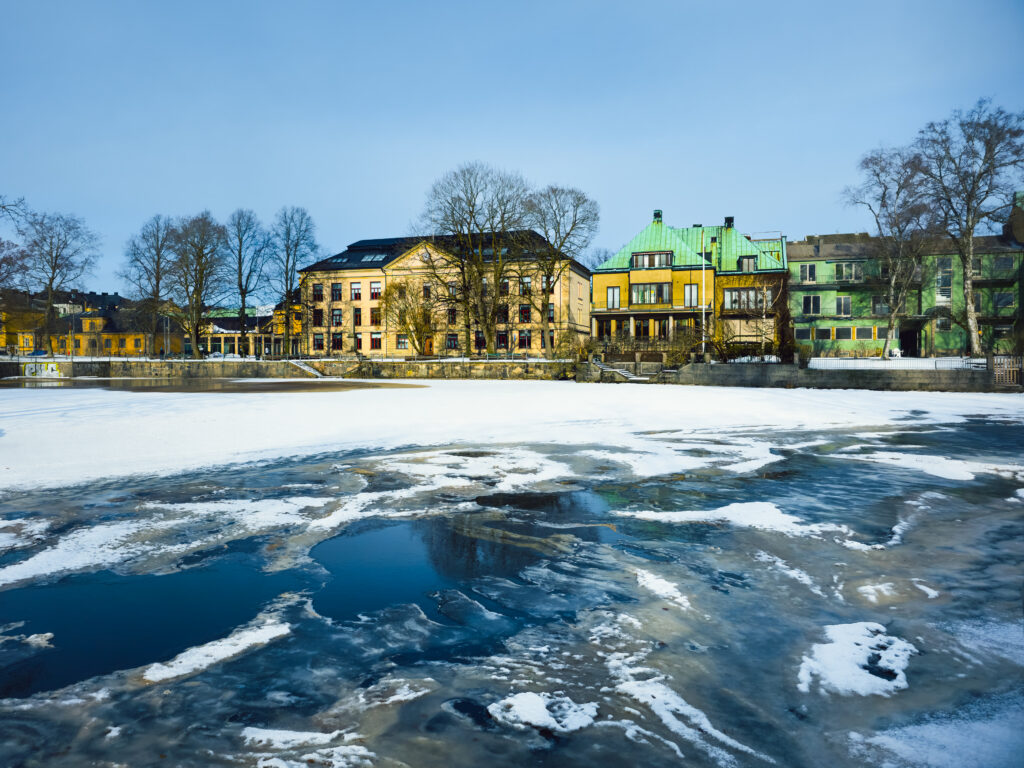
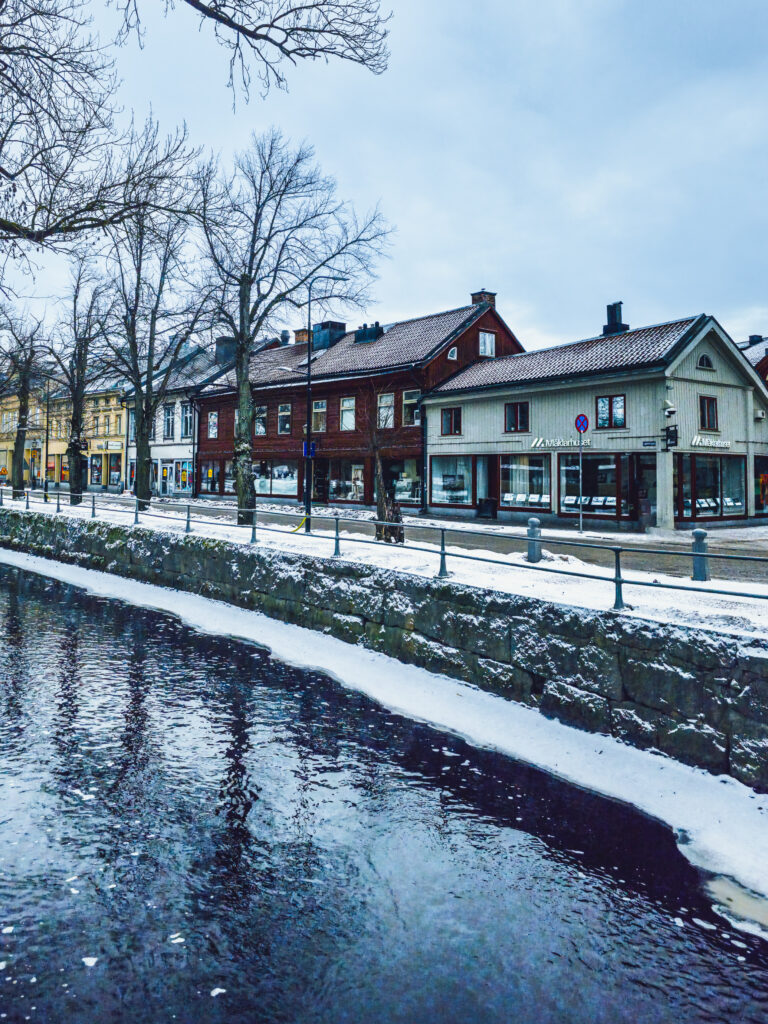
If I had to recommend just one thing to everyone visiting Örebro, it would be taking a leisurely walk along the Svartån River. It's the river that gives the city its unique character and makes it possible to spend a truly enjoyable few hours here, even without a detailed plan. The riverside promenades, stone bridges, and historic buildings reflected in the water create a wonderful setting for a walk. In winter, when parts of the river freeze over, the whole area takes on a completely different atmosphere. In my opinion, the river is the true heart of Örebro and the best place to begin exploring the city.
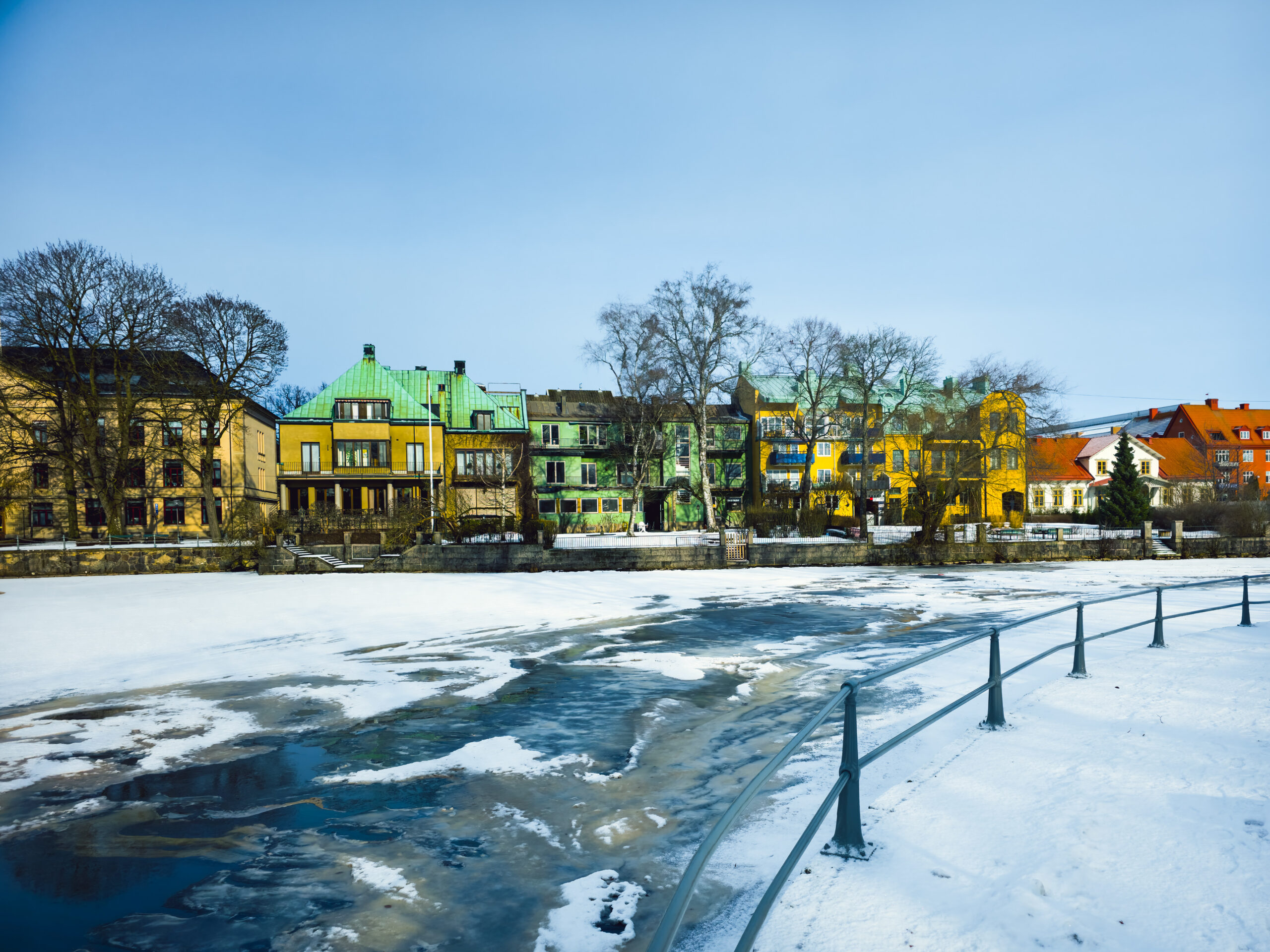
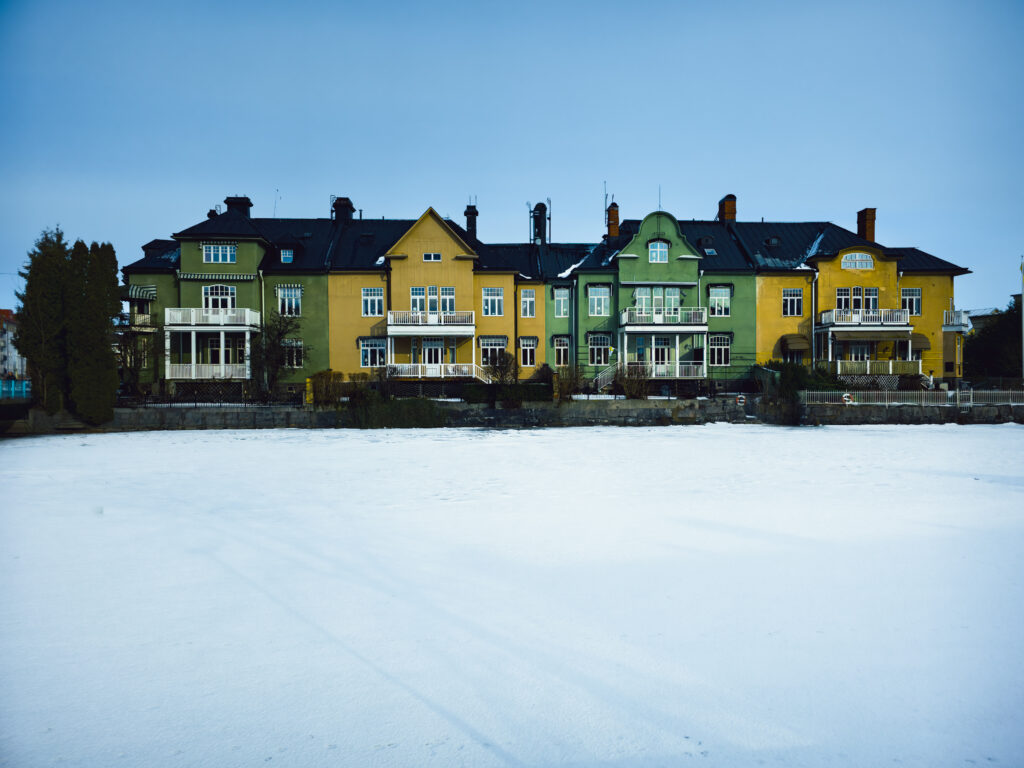
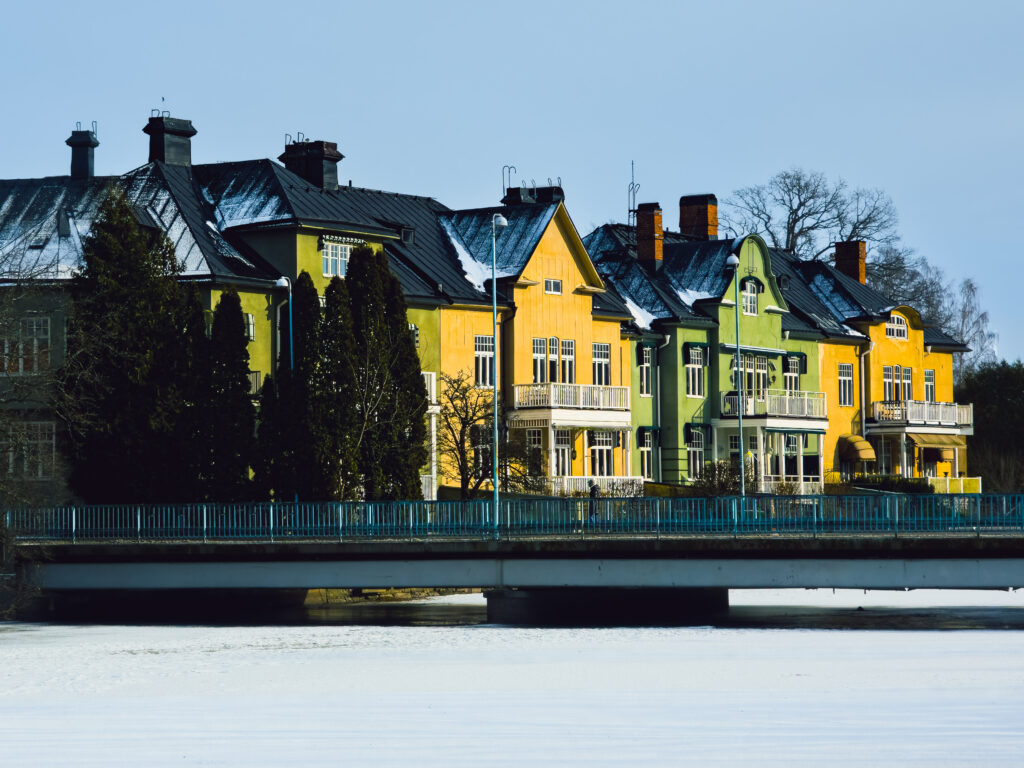
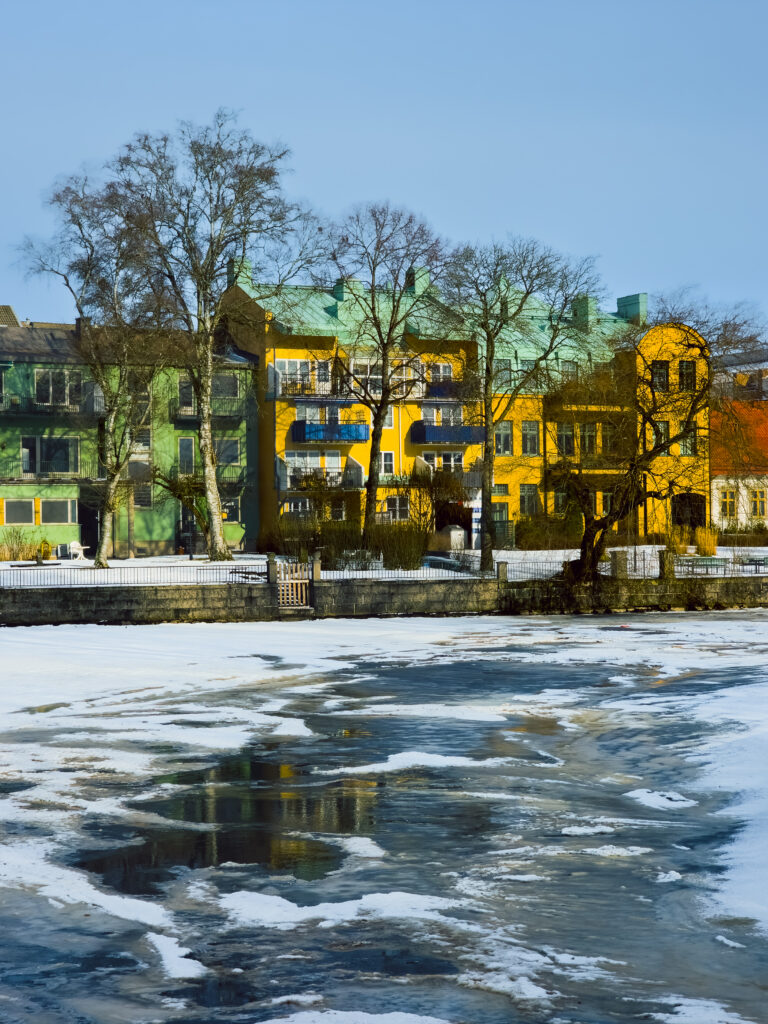
One of the things that stayed with me the most was the colourful buildings standing beside the frozen waterfront. Their pastel façades blend beautifully into the Scandinavian landscape and show that even ordinary residential architecture can become a fascinating photographic subject. It was in this part of the city that I truly felt the calm rhythm of everyday life. There are no crowds of tourists or noisy attractions here. Instead, you'll find peace, tidy surroundings, and the harmony between architecture and nature that is so characteristic of Scandinavia. I think it's this atmosphere that I'll remember most from my visit to Örebro.
A BRIEF HISTORY OF ÖREBRO
The origins of Örebro date back to the 13th century. The city developed around an important crossing over the Svartån River, located on one of medieval Sweden's key trade routes. Its strategic location led to the construction of a fortress, which gradually evolved into the castle we see today.
Over the following centuries, Örebro steadily grew into an important centre of trade and craftsmanship. Its most dynamic period of development came in the 19th century, when the city became one of Sweden's leading footwear manufacturing centres. Dozens of factories operated here, and shoes made in Örebro were distributed throughout the country.
Over the following centuries, Örebro gradually grew in importance as a centre of trade and craftsmanship. Its most rapid development came in the 19th century, when the city became one of Sweden's leading centres of the footwear industry. Dozens of factories operated here, and shoes manufactured in Örebro were sold throughout the country.
The year 1810 also holds a special place in the city's history. It was in Örebro that the Swedish parliament met to choose the French marshal Jean-Baptiste Bernadotte as heir to the Swedish throne. After becoming King Charles XIV John, he founded the Bernadotte dynasty, which still reigns in Sweden today.
Today, Örebro has a population of around 130,000 and is one of the largest cities in central Sweden. Although the old manufacturing industry has given way to modern services, education, and new technologies, the city has retained its peaceful character. Visitors are drawn here mainly by its medieval castle, its picturesque setting along the Svartån River, and its distinctly Scandinavian atmosphere.
Today, Örebro has a population of around 130,000 and is one of the largest cities in central Sweden. Although its former industrial character has given way to modern services, education, and new technologies, the city has retained its peaceful atmosphere. Today, visitors are drawn here mainly by its medieval castle, its picturesque setting along the Svartån River, and its distinctly Scandinavian charm.
FROM A TRUCK DRIVER'S PERSPECTIVE
I left my truck in a small industrial area close to the delivery point. From there, it was about two kilometres to the centre of Örebro, so I could easily walk into the city.
The area wasn't designed with truck drivers in mind. There were no facilities available, so you had to manage on your own. That wasn't a problem for me, though. Whenever I have the choice, I much prefer spending my breaks in industrial areas than at typical truck parking sites. Once the working day is over, these places become quiet and peaceful, making it much easier to relax. For me, spending the night there is far more pleasant than listening to the constant noise of engines and the steady flow of traffic.
The area wasn't designed with truck drivers in mind. There were no facilities available, so you had to manage on your own. That wasn't a problem for me, though. Whenever I have the choice, I much prefer spending my breaks in industrial areas rather than at typical truck parking areas. Once the working day is over, these places become quiet and peaceful, making it much easier to relax. For me, spending the night there is far more pleasant than the constant noise of engines and the continuous flow of traffic.
Another advantage of this location was that there was also an aquapark nearby. This time I chose to spend my free time exploring Örebro, but for truck drivers who have a longer break, it could be an interesting way to spend their free time.
WAS IT WORTH VISITING ÖREBRO?
To be honest, I expected the historic centre to be a little larger. Although Örebro is not one of Sweden's smallest cities, its old town is relatively compact. All of the main attractions are located close to one another, making it easy to explore them during a leisurely walk lasting just a few hours. Örebro isn't a city that impresses with the sheer number of landmarks or attractions. You won't find a long list of places here that require an entire weekend to explore. Even so, I'm glad I had the opportunity to spend a few hours here.
Örebro isn't a city that impresses with a long list of landmarks or attractions. You won't find enough sights here to fill an entire weekend of sightseeing. Even so, I'm glad I had the chance to spend a few hours here.
What I appreciated most about Örebro was its peaceful atmosphere. Walking along the Svartån River, seeing the medieval castle, the distinctive Scandinavian architecture, and the absence of crowds made it a genuinely enjoyable day. It's one of those cities that is best experienced without rushing, simply taking the time to soak up its atmosphere.
Would I travel here specially from the other side of Europe? Probably not. However, if you're travelling through central Sweden or—like me—you happen to be here because of work, it's definitely worth setting aside a few hours for a walk. Örebro didn't become my favourite city in Sweden, but I'll happily remember the peaceful day I spent by the Svartån River.
GALLERY
Join the conversation