

AT A GLANCE
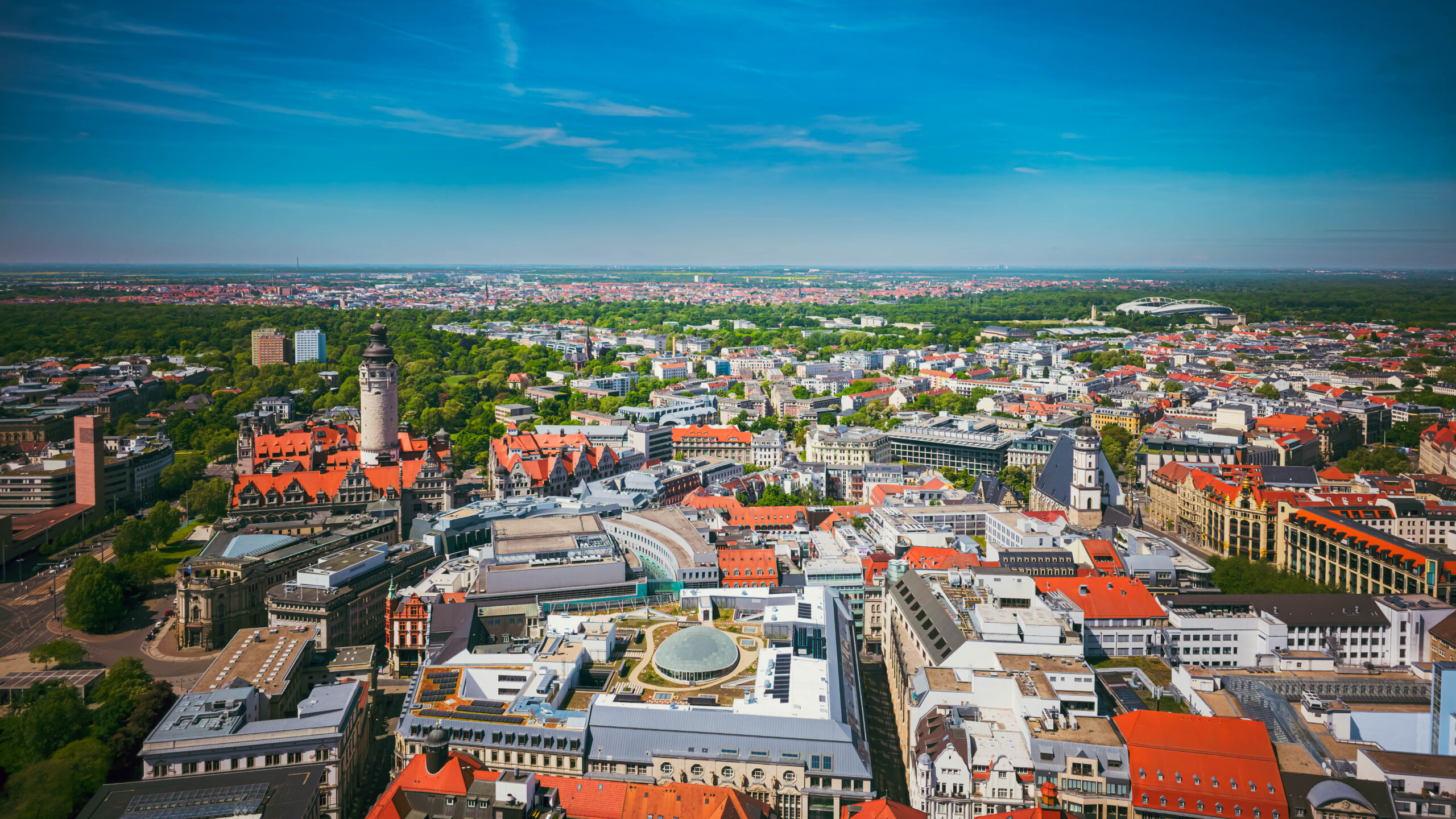
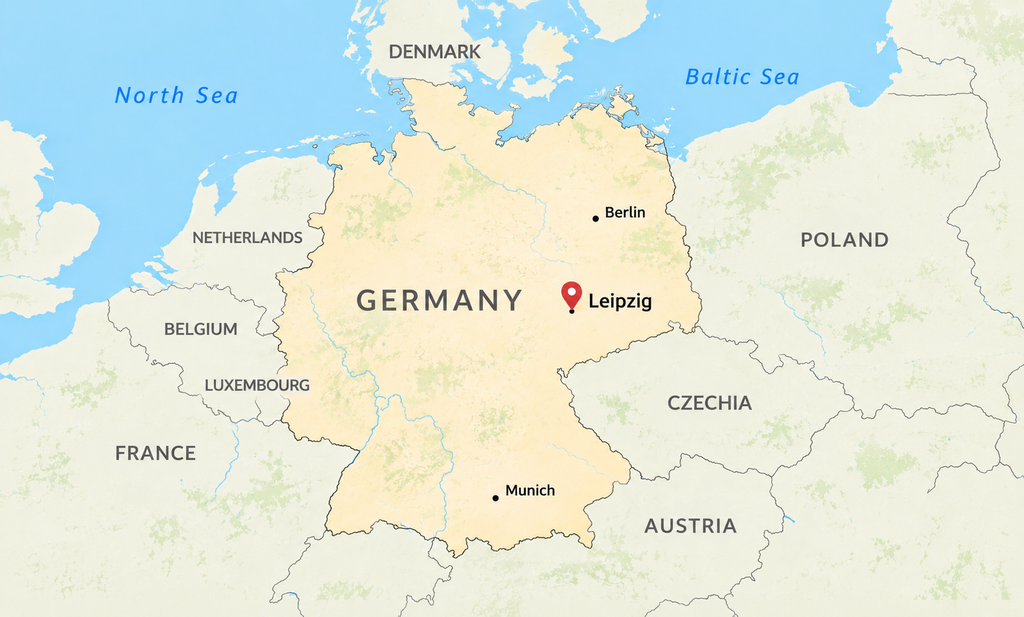
Location: Leipzig, Germany
Region: Saxony
City character: a city of music, history and architectural contrasts
Sightseeing time: 6-8 hours
Best for: walks around the historic centre, discovering the architecture and taking in the city panorama
Official website: leipzig.travel
My Rating: 7/10
A RETURN AFTER YEARS, A FRESH LOOK
Leipzig wasn’t completely unfamiliar to me. I had already been there as a child, on a visit to relatives who lived in the area. The trouble is that I remembered very little of that trip. I couldn’t recall the streets, the sights or even the atmosphere of the city. So when, after many years, I had a chance to go back, I decided to get to know Leipzig properly, almost from scratch.
Torgau is one of those places I keep returning to on my truck routes. I had known for a long time that Leipzig was not far away, but I had never found the time to take a closer look. Then, during one of my breaks, the chance finally came. I left the truck, boarded a train and set off. I had no detailed plan, just a phone ready for photos and a good dose of curiosity. After all, you don’t always have to travel hundreds of kilometres to discover something interesting. Sometimes it is enough to make good use of a free day on the road.
I spent the first few hours at Leipzig Zoo and then headed for the centre. That was when the city began to show its different faces. Renaissance façades stood next to monumental buildings, historic churches mingled with contemporary architecture, and around almost every corner I found something that caught my photographer’s eye. In time I also realised that Leipzig has much more to offer than beautiful buildings. Behind many of them lie stories that can be just as surprising as the architecture itself.
WHY VISIT LEIPZIG?
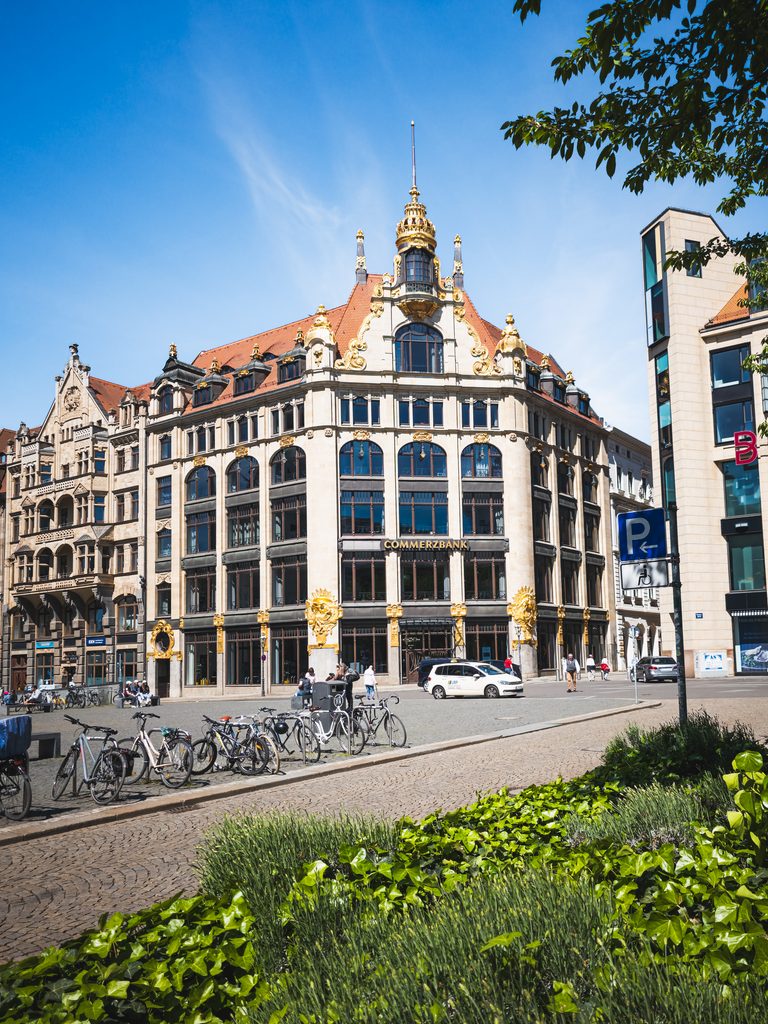
Leipzig is one of those cities that are hard to put into a single category. It is neither just a historic gem nor a modern metropolis. Its greatest charm lies in its variety. Renaissance townhouses and elegant shopping arcades sit alongside monumental buildings, and historic squares blend into contemporary architecture. A short walk is enough to see how many different eras have left their mark here. For someone who, like me, loves photographing architecture, it is a real treat. Sometimes it is hard to decide where to point the lens.
But Leipzig is not only about beautiful façades. It is a city with an exceptionally rich history, associated with great composers such as Johann Sebastian Bach and Felix Mendelssohn Bartholdy. It is also where one of the largest battles of the Napoleonic era was fought in 1813, and where peaceful demonstrations in the autumn of 1989 helped bring about the changes that transformed Germany’s fate. Interestingly, traces of these events can be found on an ordinary walk, often in places that at first glance attract attention only for their architecture.
The atmosphere of the city itself is also worth appreciating. Leipzig has a lively centre full of squares, restaurants, cafés and historic streets where you can stroll without any rush. Many interesting sights are fairly close to one another, so even a few hours let you see quite a lot. In my opinion it is an excellent destination for both a day trip and a longer stay, especially for people who like places where fascinating architecture goes hand in hand with an equally interesting history.
THINGS TO DO IN LEIPZIG
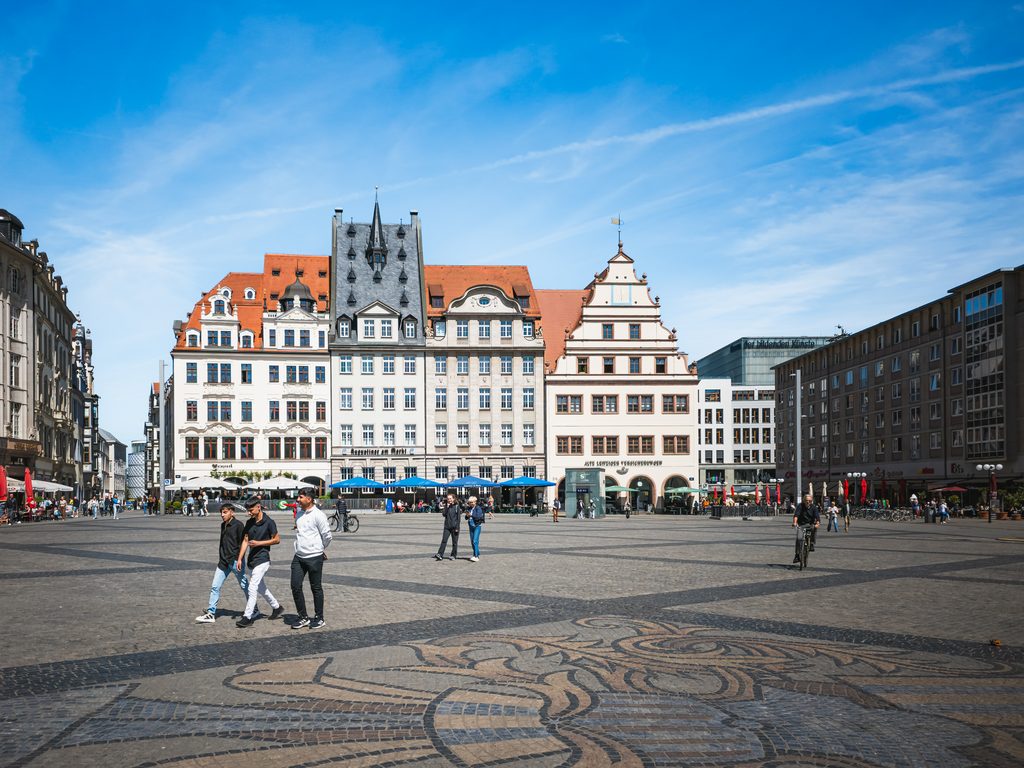
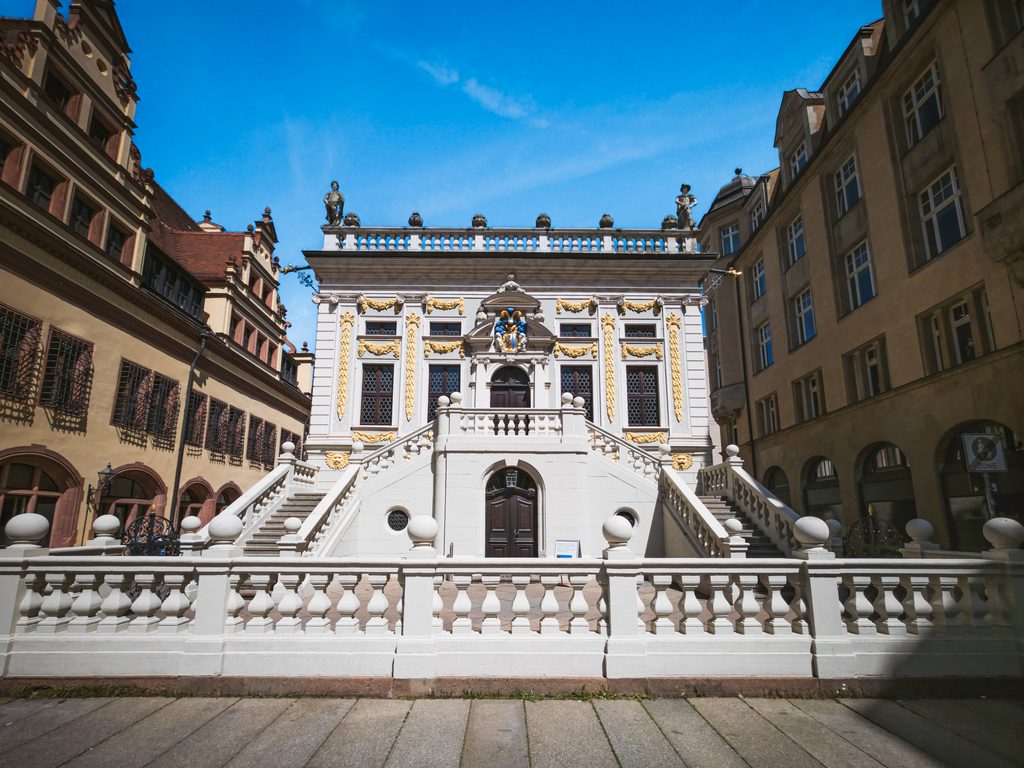
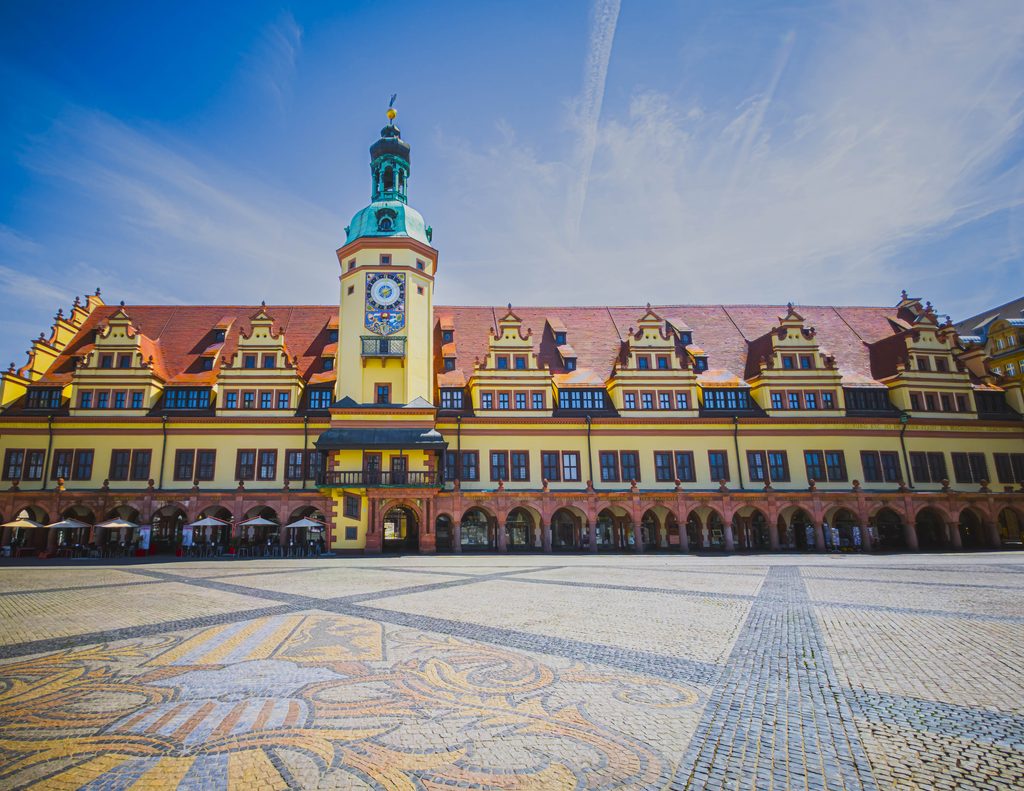
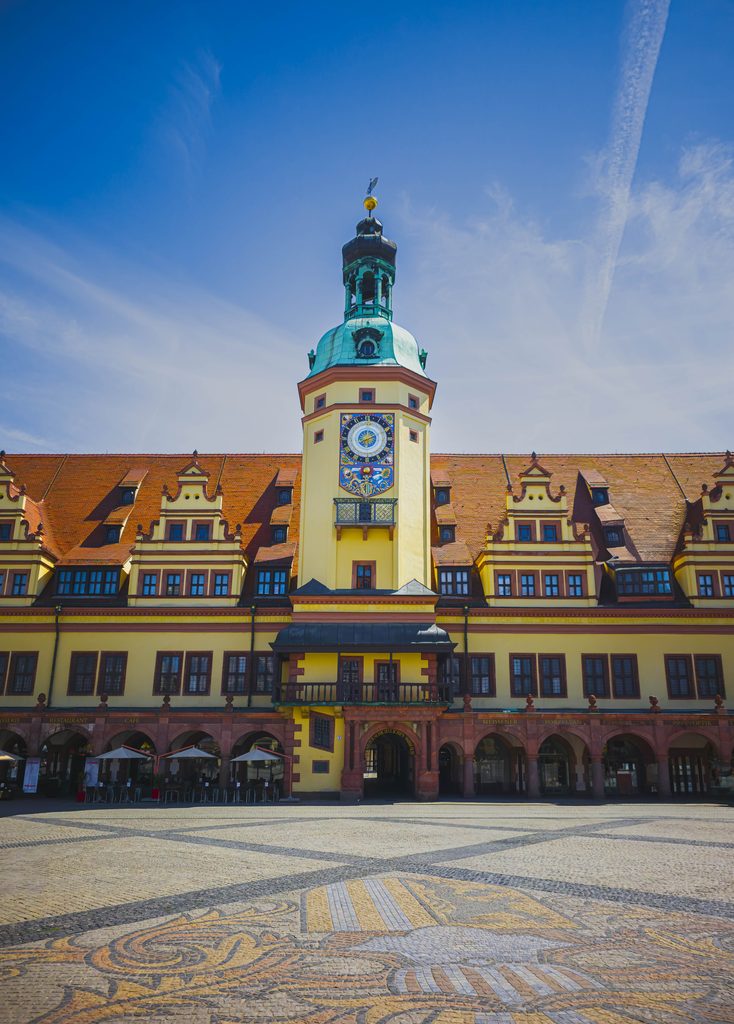
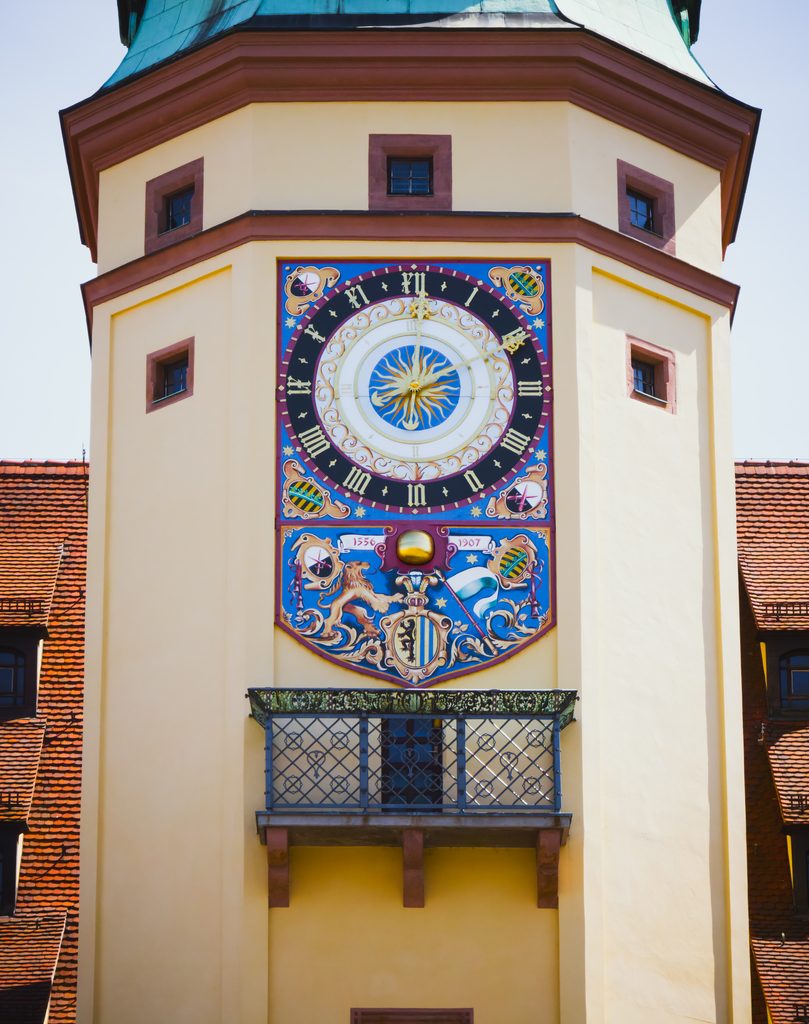
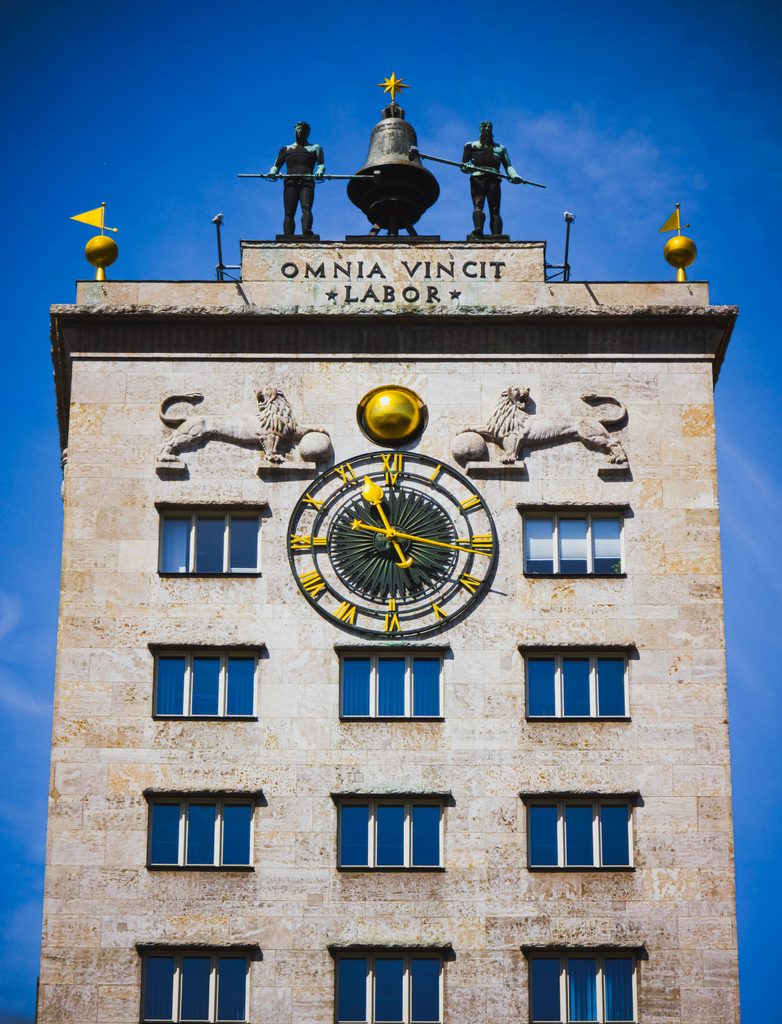
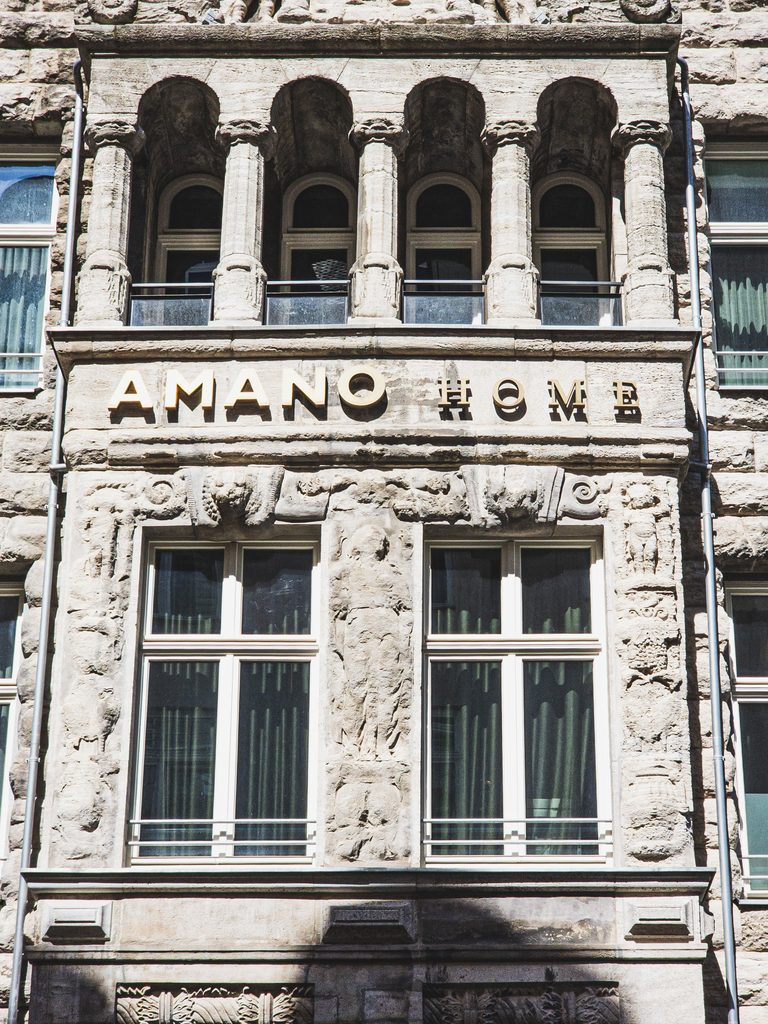
The best place to start exploring Leipzig is its historic centre, with MARKT, the main market square, at its heart. This is where you will find the OLD TOWN HALL (ALTES RATHAUS), one of the finest examples of Saxon Renaissance architecture. Its long, distinctive façade, decorative gables and asymmetrically placed tower make it hard to mistake for any other building. Just a few steps away, on the small Naschmarkt square, stands the OLD EXCHANGE (ALTE BÖRSE), which looks like an elegant Baroque palace. In this part of the city it is also worth looking into the historic shopping arcades, the best known of which is the MÄDLER-PASSAGE, linked to the history of the Leipzig trade fairs and the famous Auerbachs Keller.
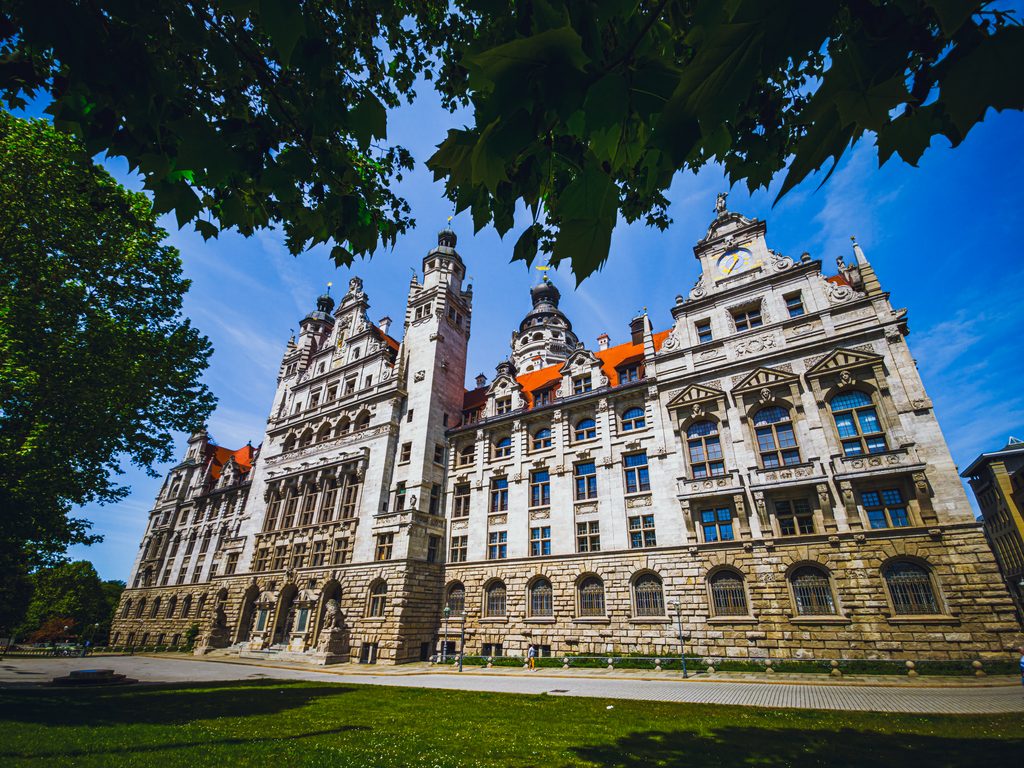
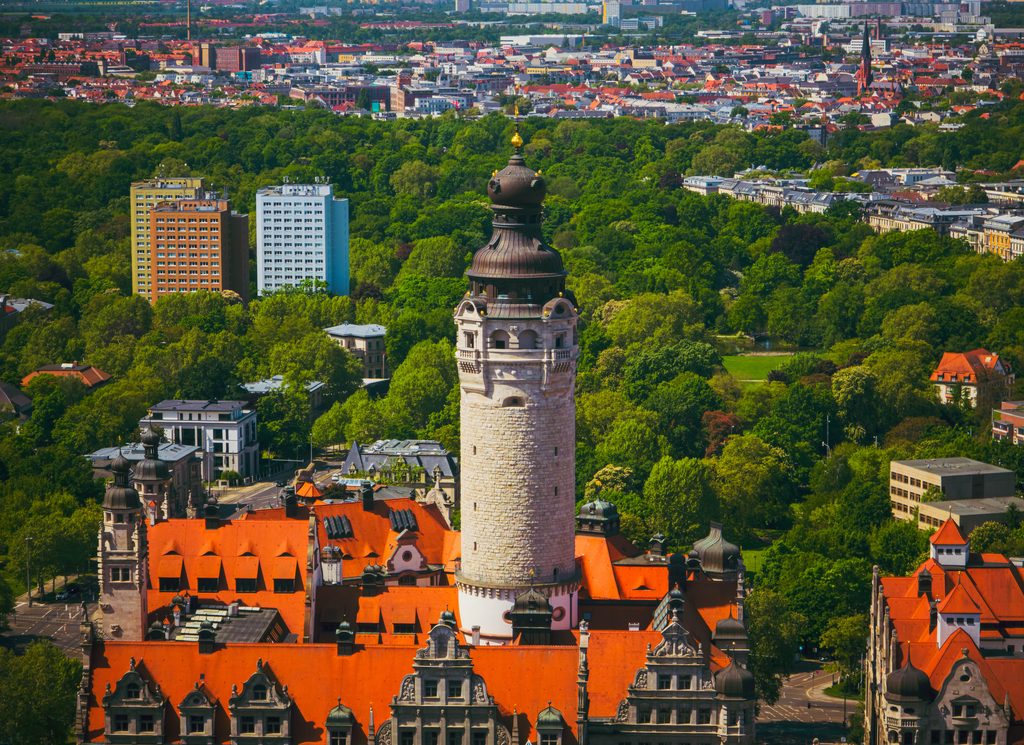
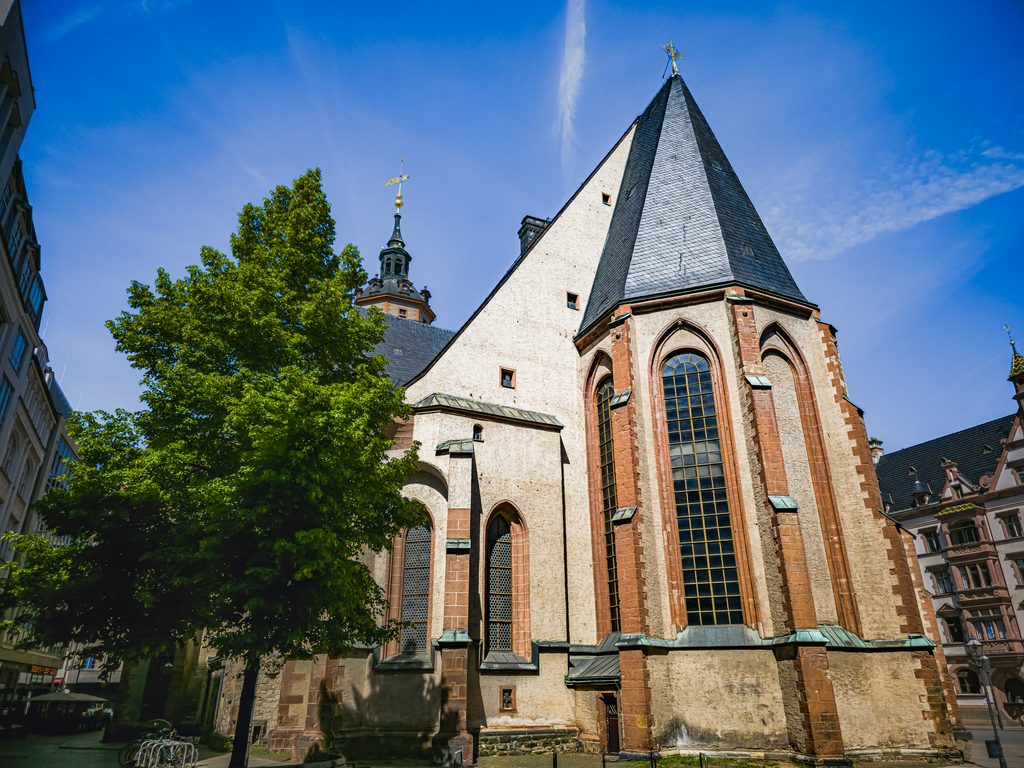
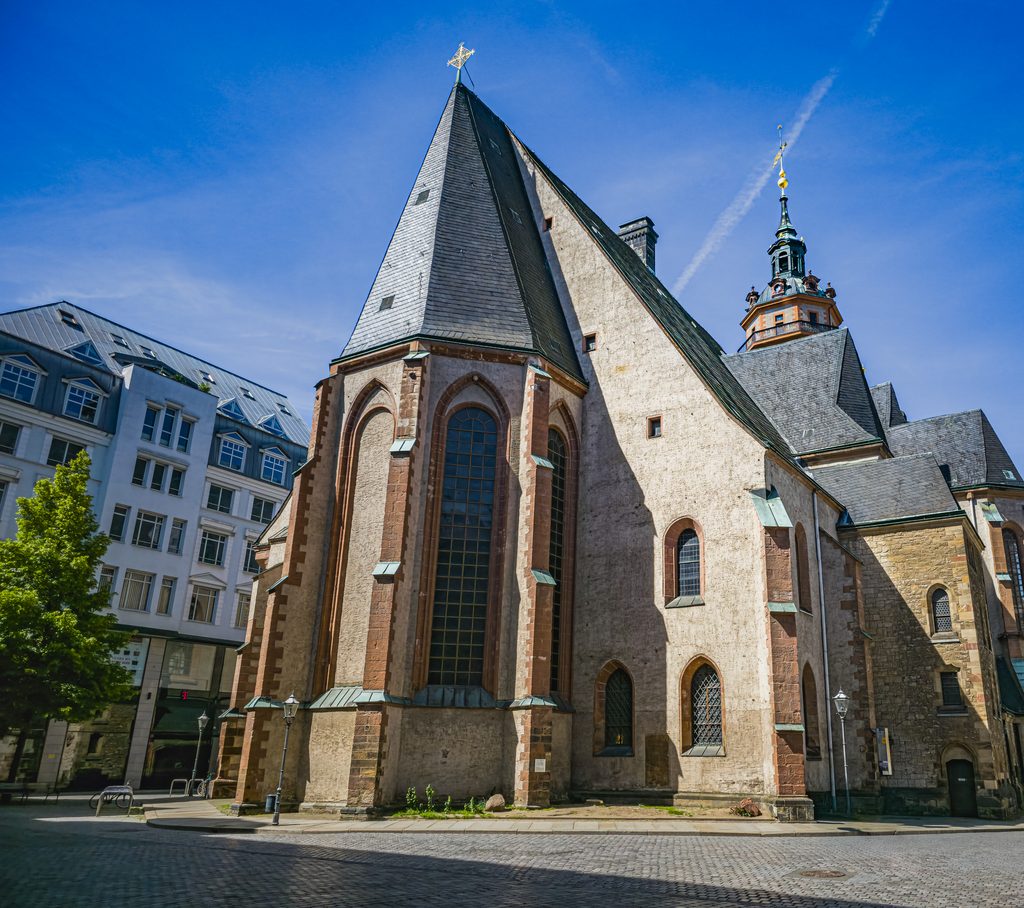
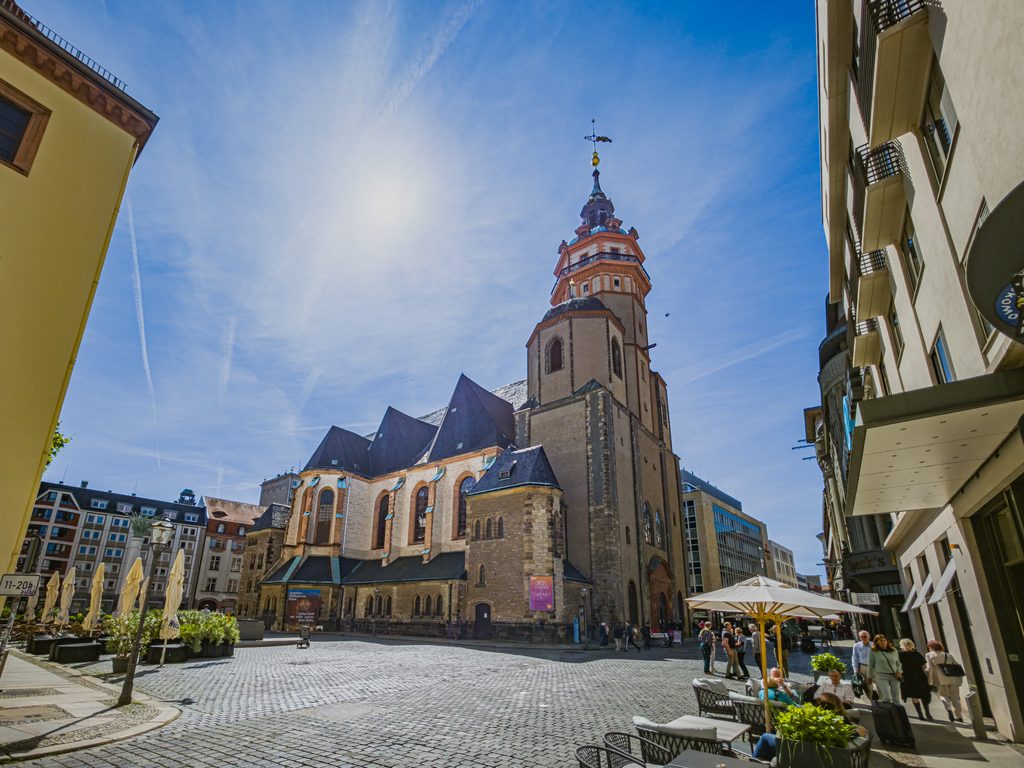
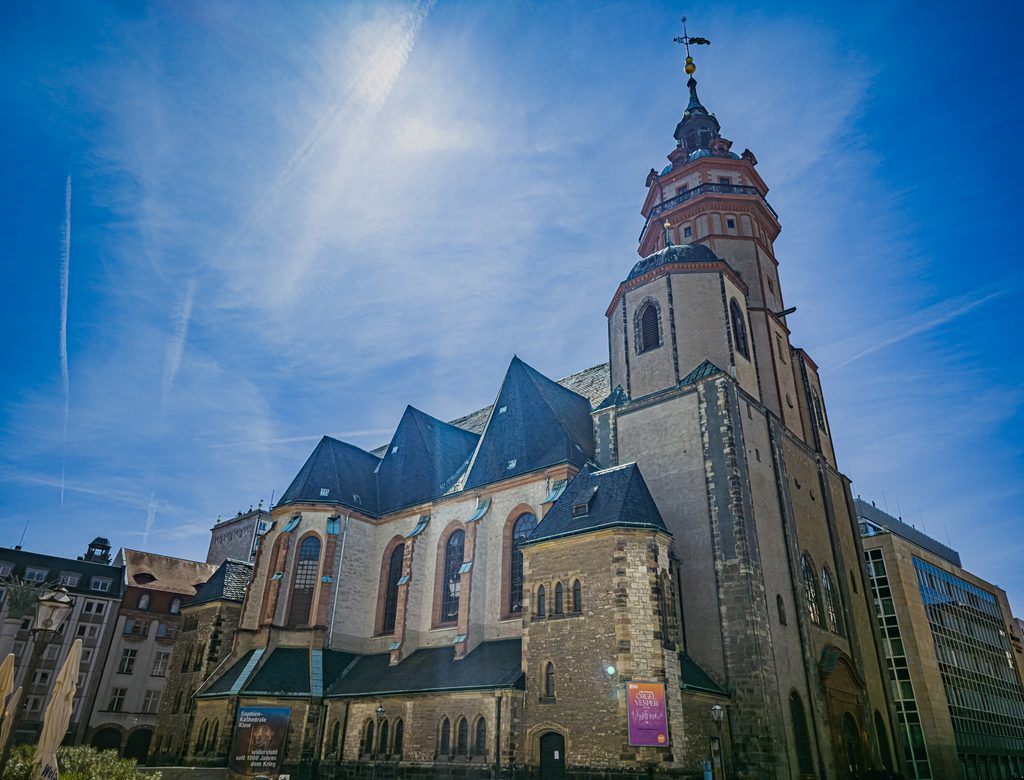
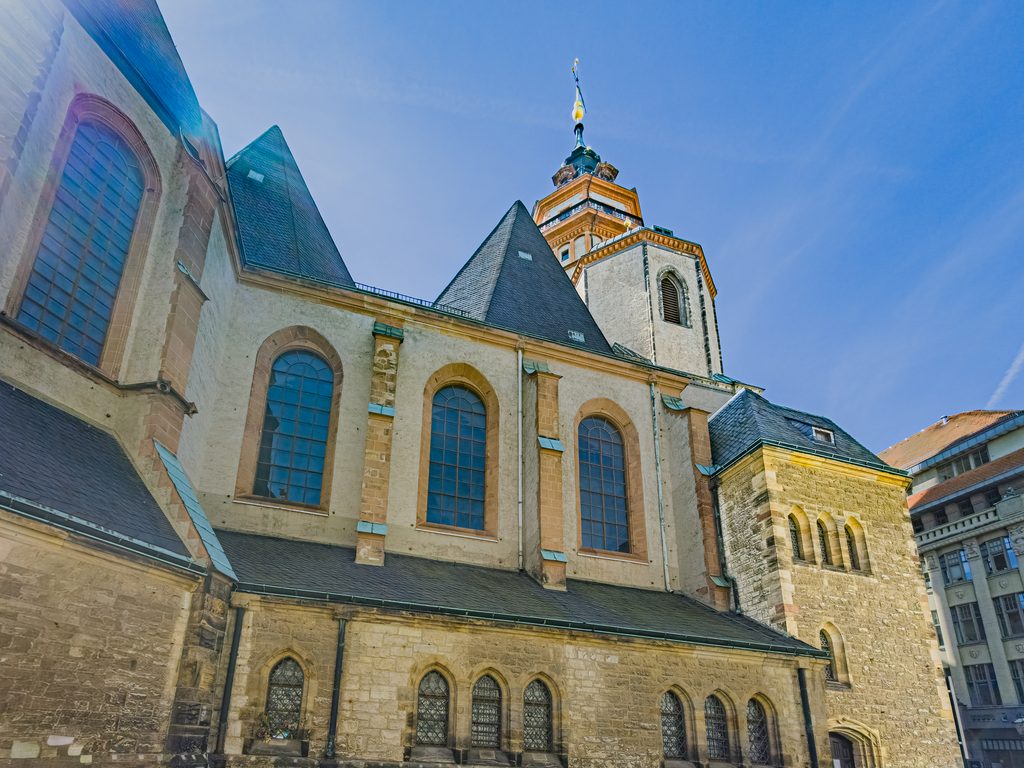
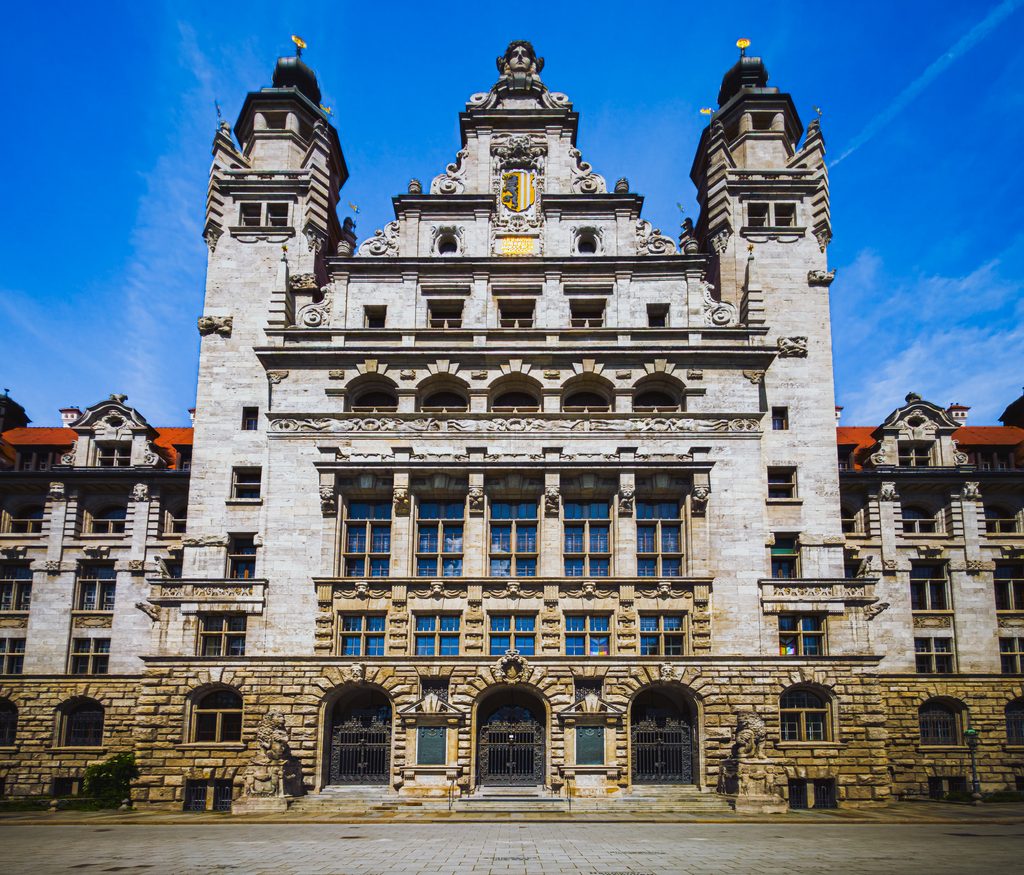
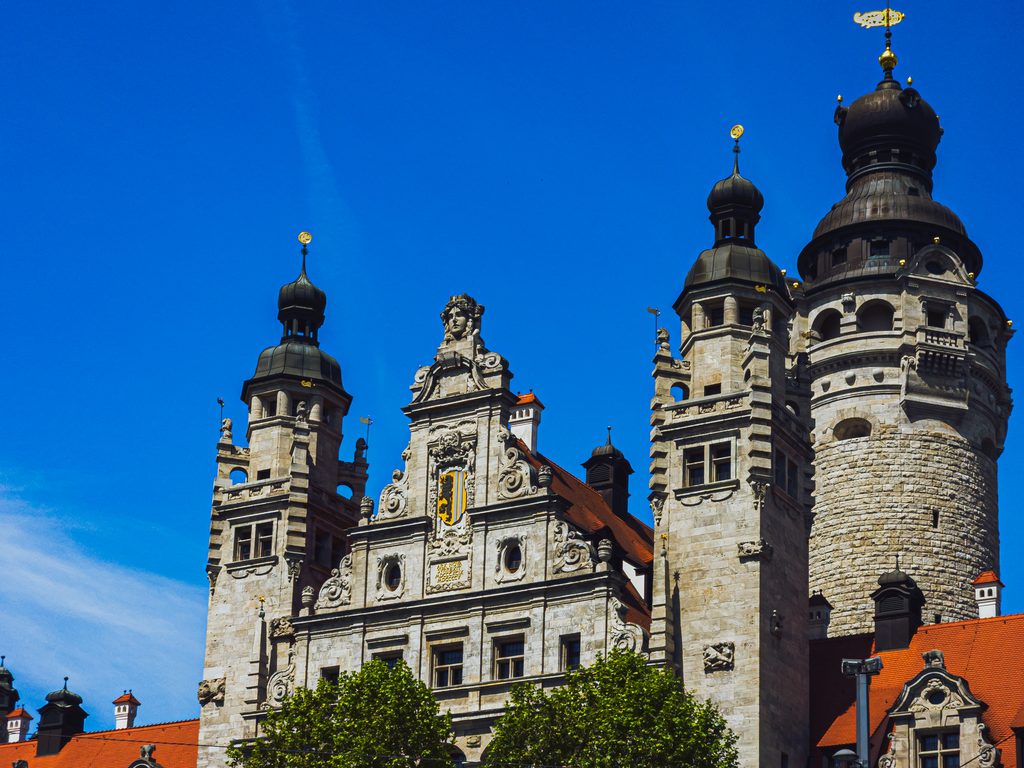
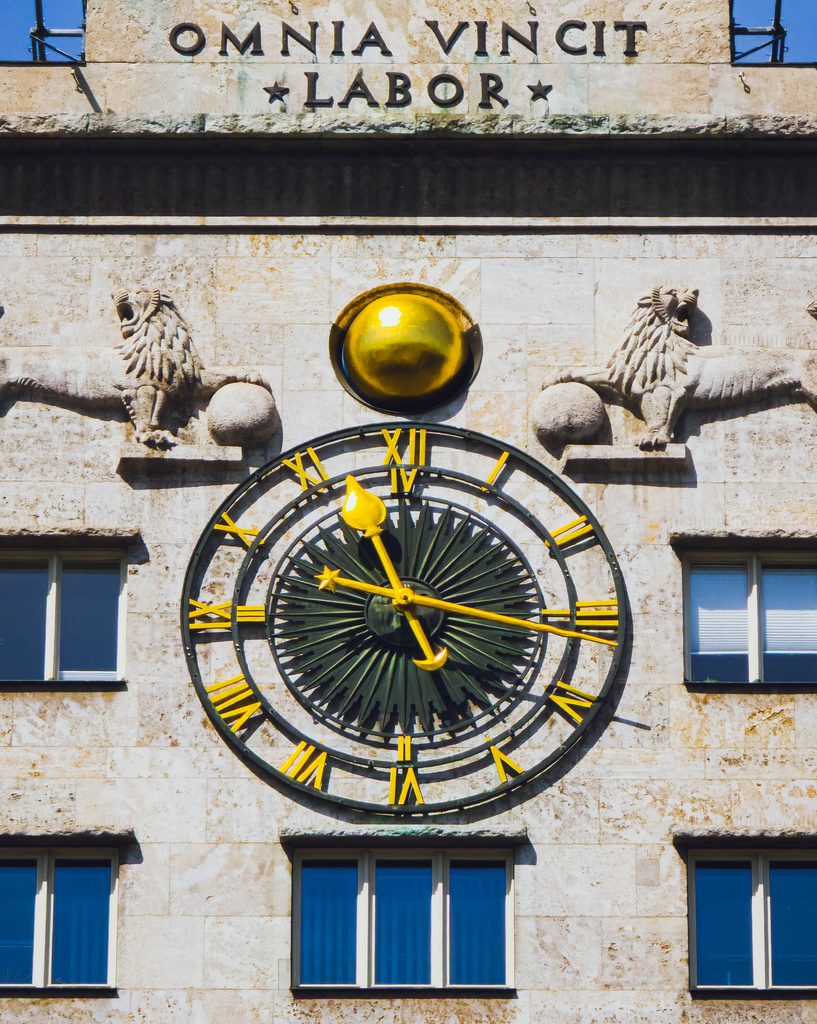
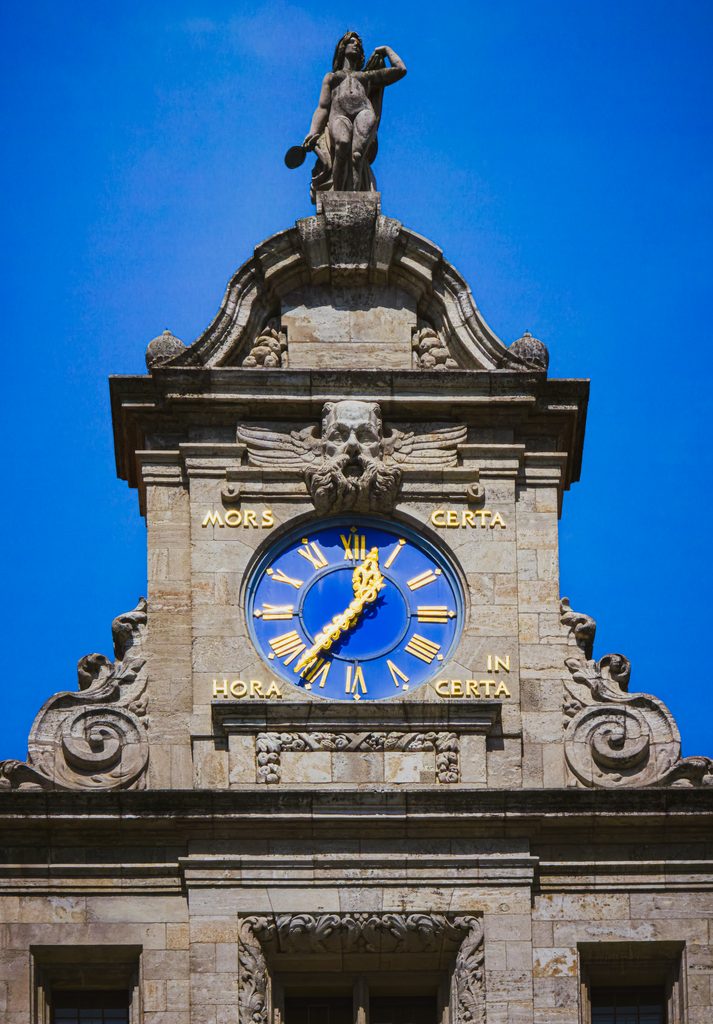
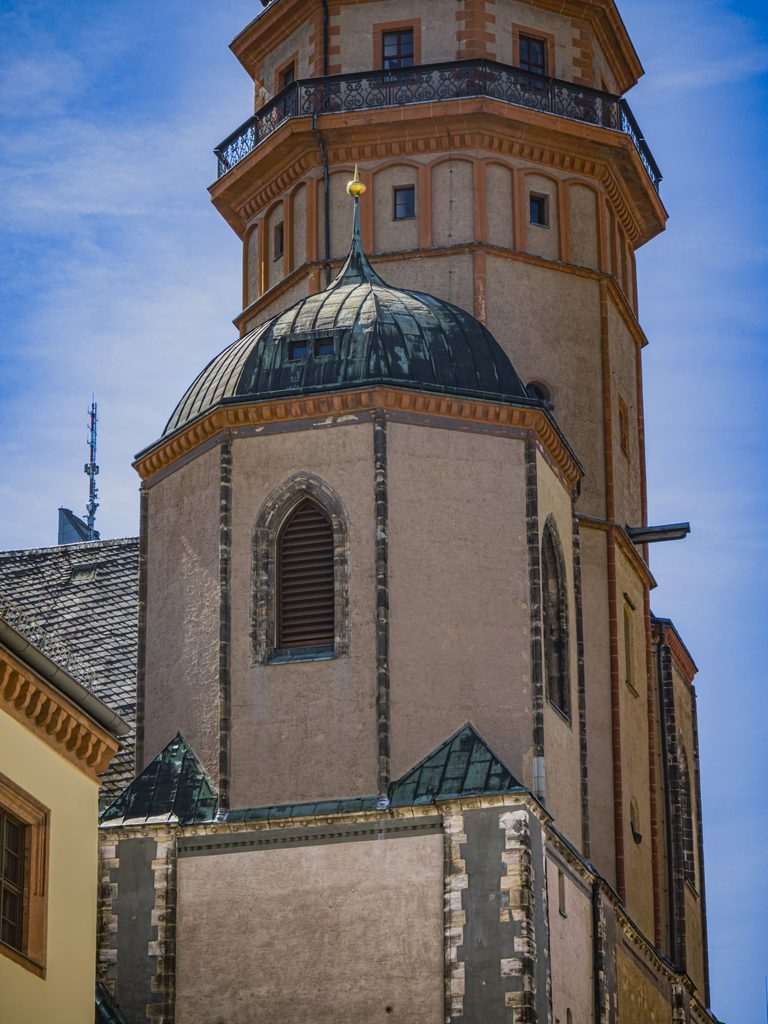
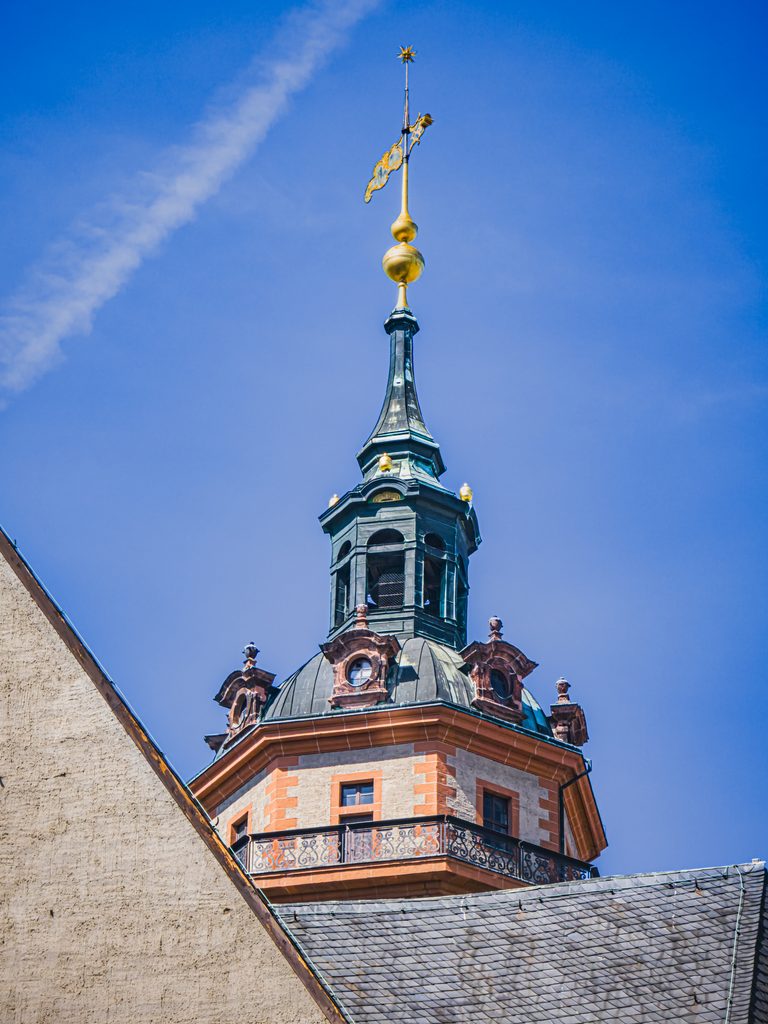
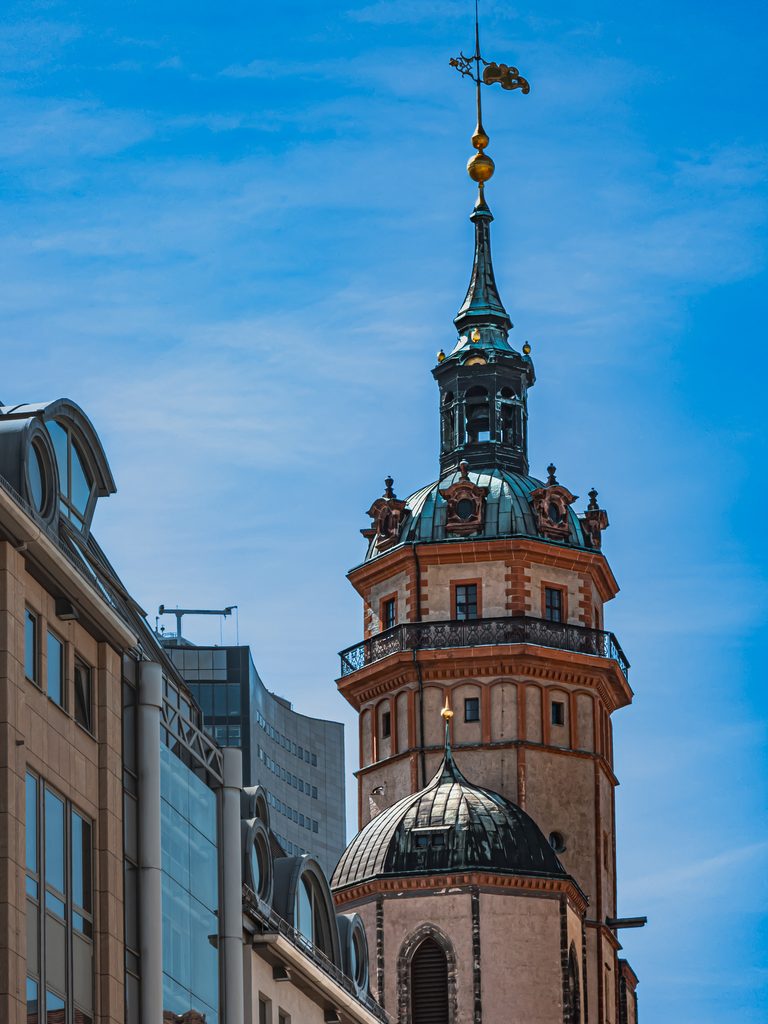
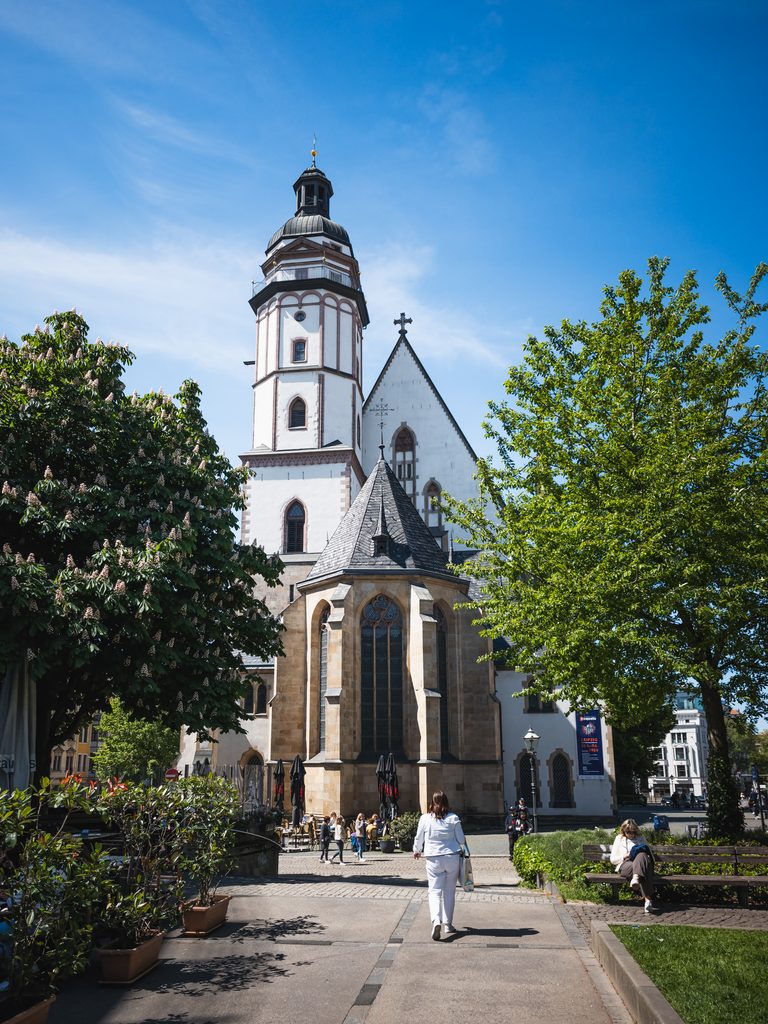
Walking around the centre, it is hard to overlook two important churches. THOMASKIRCHE, or ST THOMAS’S CHURCH, is inseparably linked with Johann Sebastian Bach, who worked in Leipzig for many years and whose grave lies inside the church. NIKOLAIKIRCHE, or ST NICHOLAS’S CHURCH, in turn played an important role in the peaceful demonstrations of 1989, which contributed to the fall of the communist system in East Germany. The NEW TOWN HALL (NEUES RATHAUS) is also worth a look, as its monumental bulk and richly decorated façade contrast sharply with the Renaissance building on the market square. I struggled to fit all of it into a single photo.
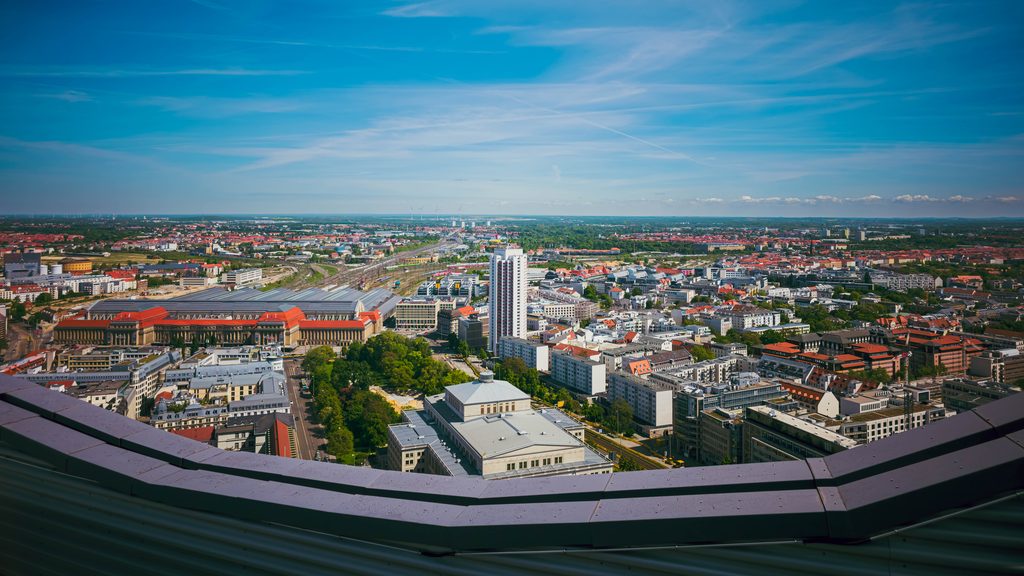
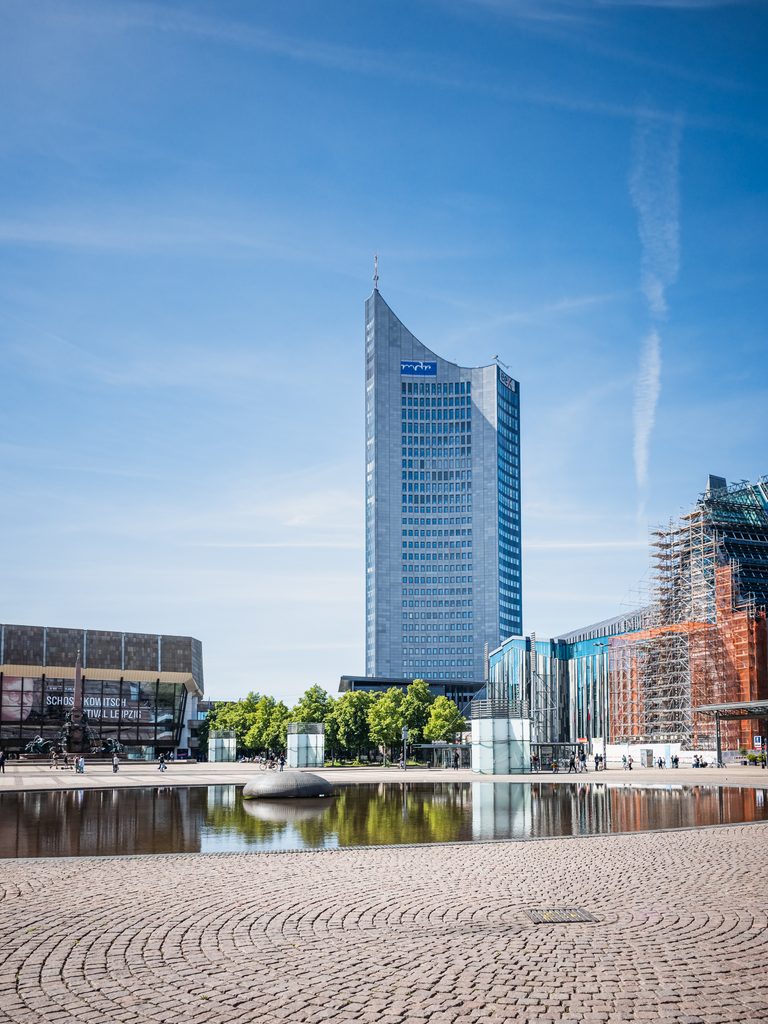
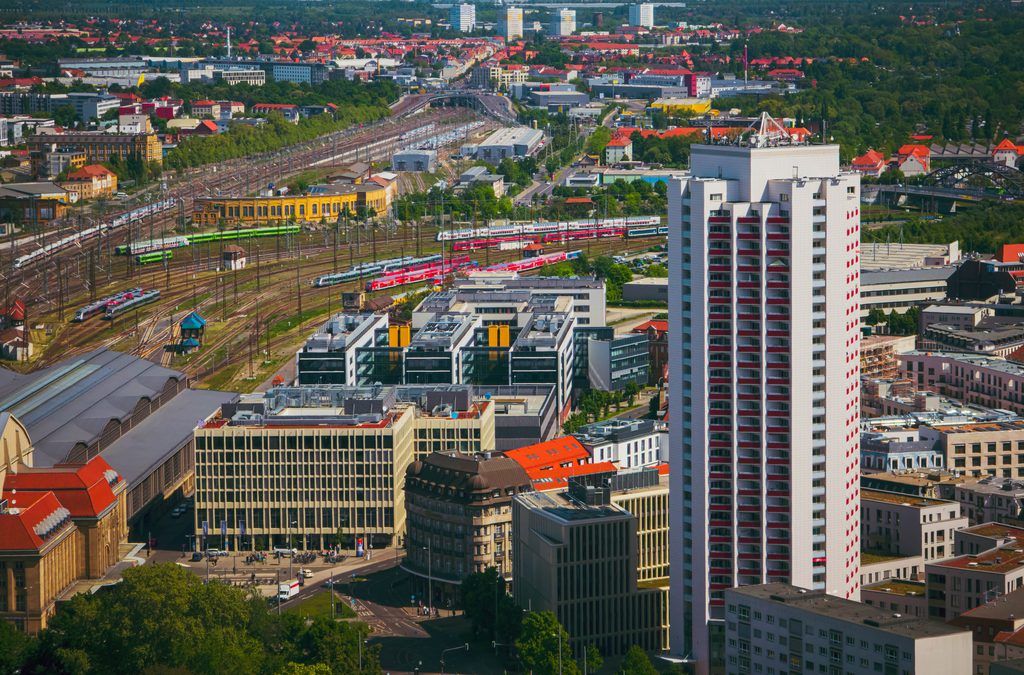
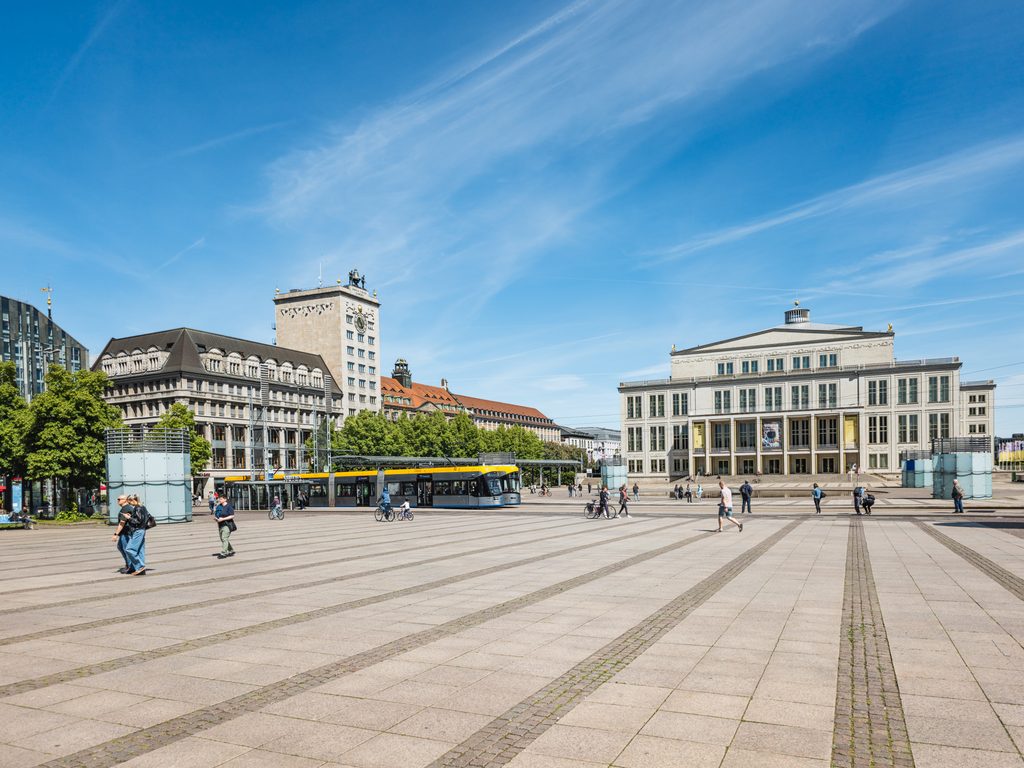
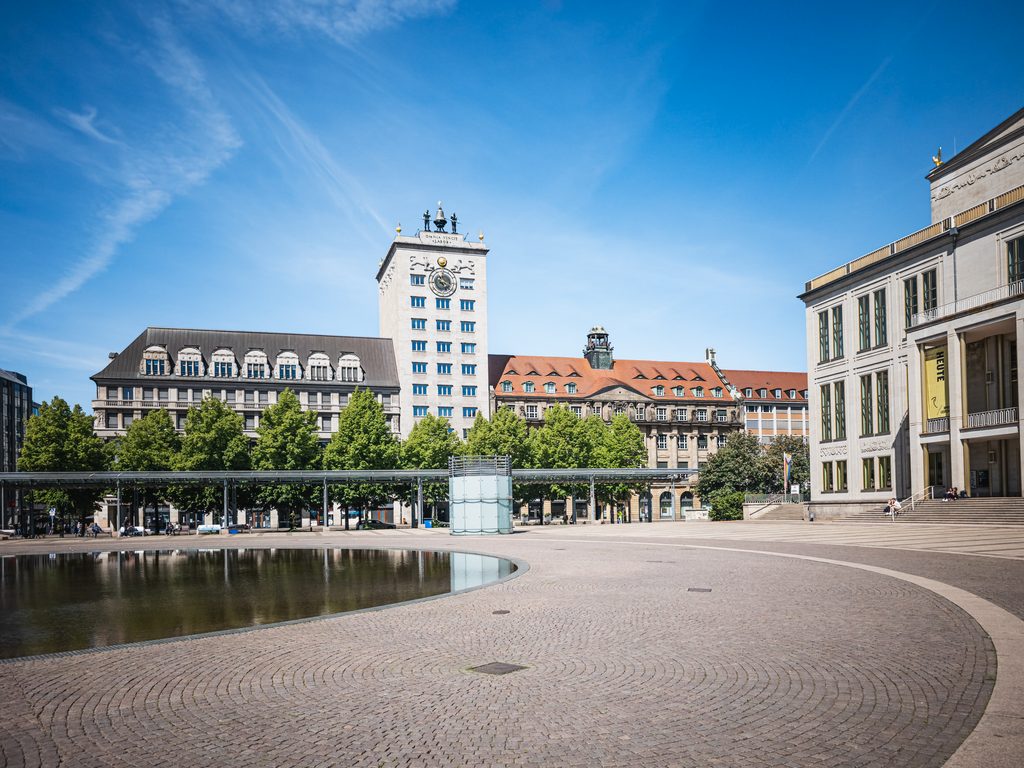
A completely different side of Leipzig can be seen on AUGUSTUSPLATZ, one of the largest city squares in Germany. Here you will find the LEIPZIG OPERA, the GEWANDHAUS concert hall and the distinctive CITY-HOCHHAUS skyscraper, also known as the PANORAMA TOWER. Nearby, the modern PAULINUM building also catches the eye, its architecture recalling the former university church. It is in this part of the city that you can see especially well how Leipzig combines different eras. There is also the chance to look down on the city from above, with a panorama of rooftops, historic towers and contemporary buildings stretching out below.
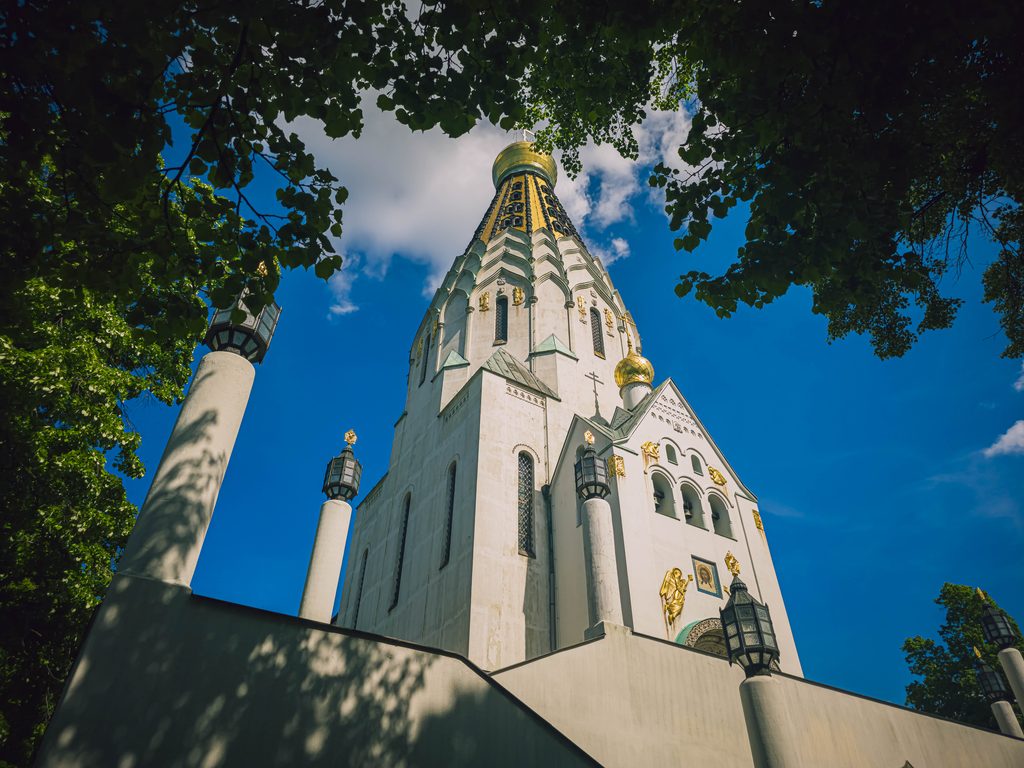
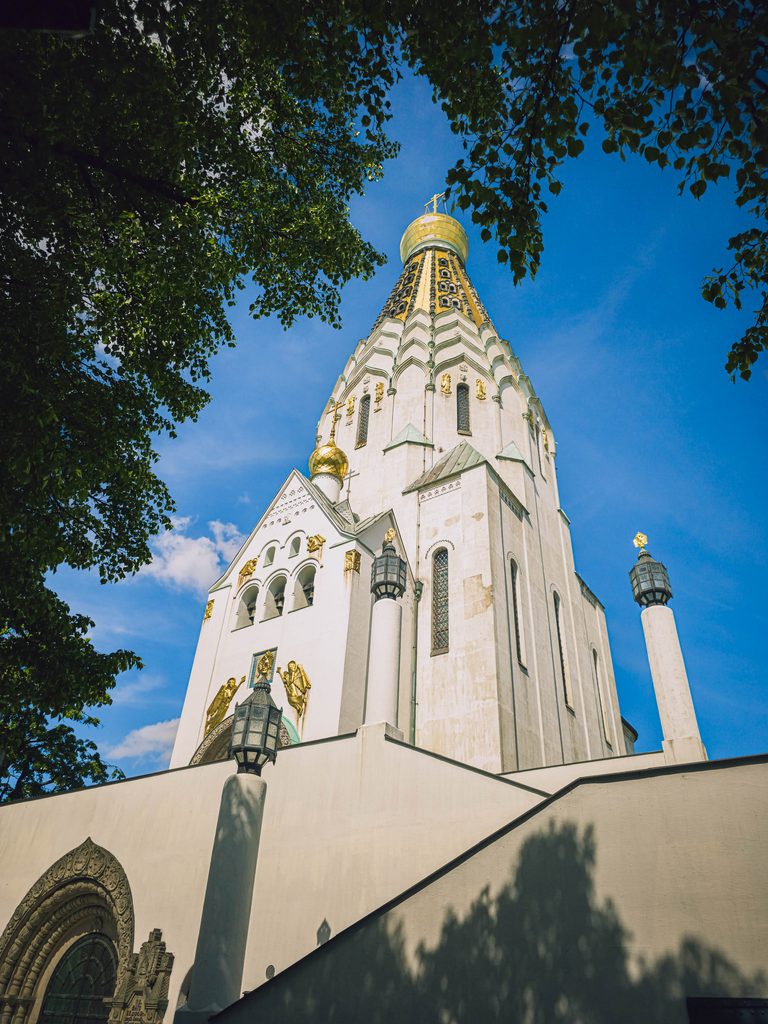
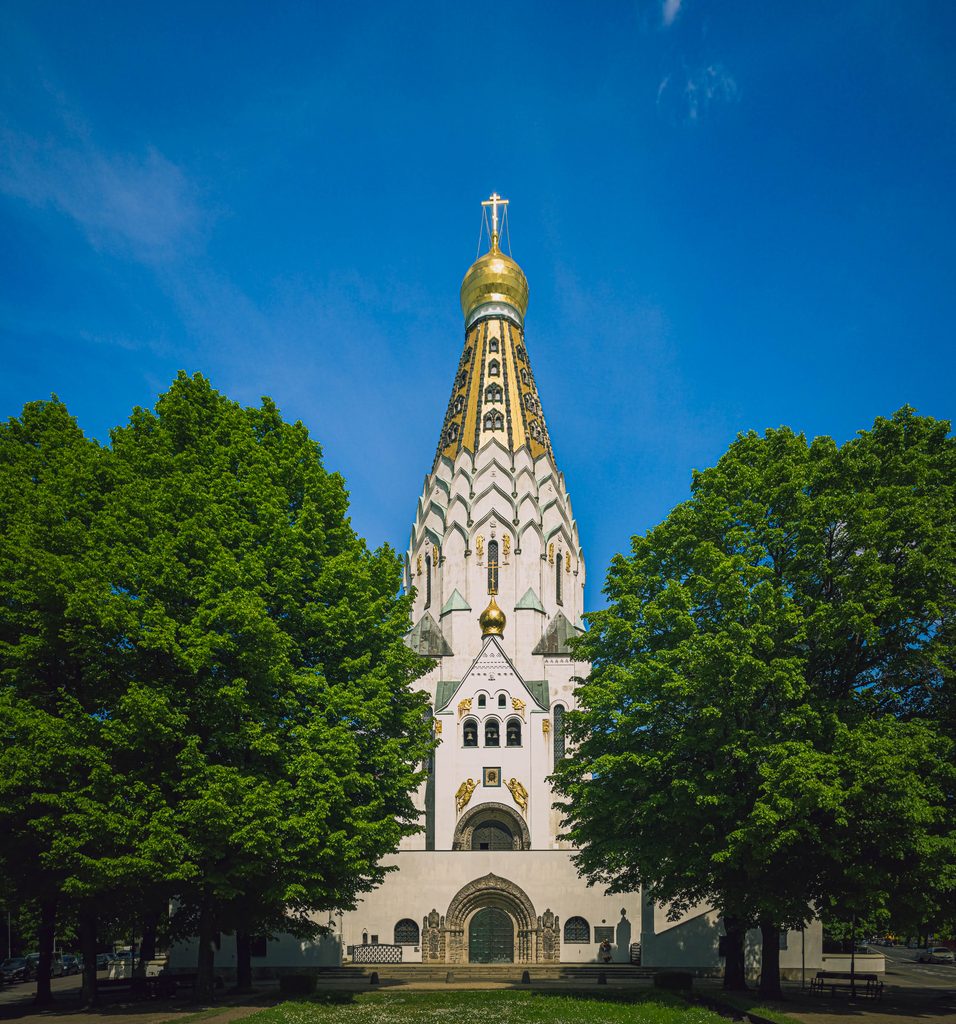
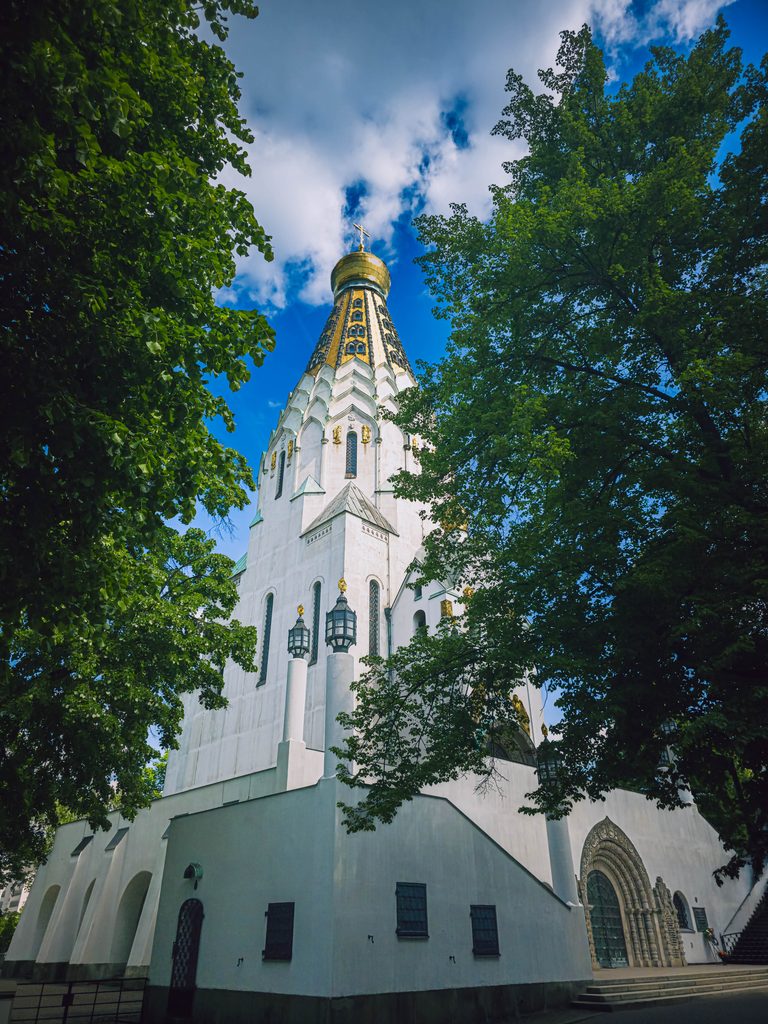
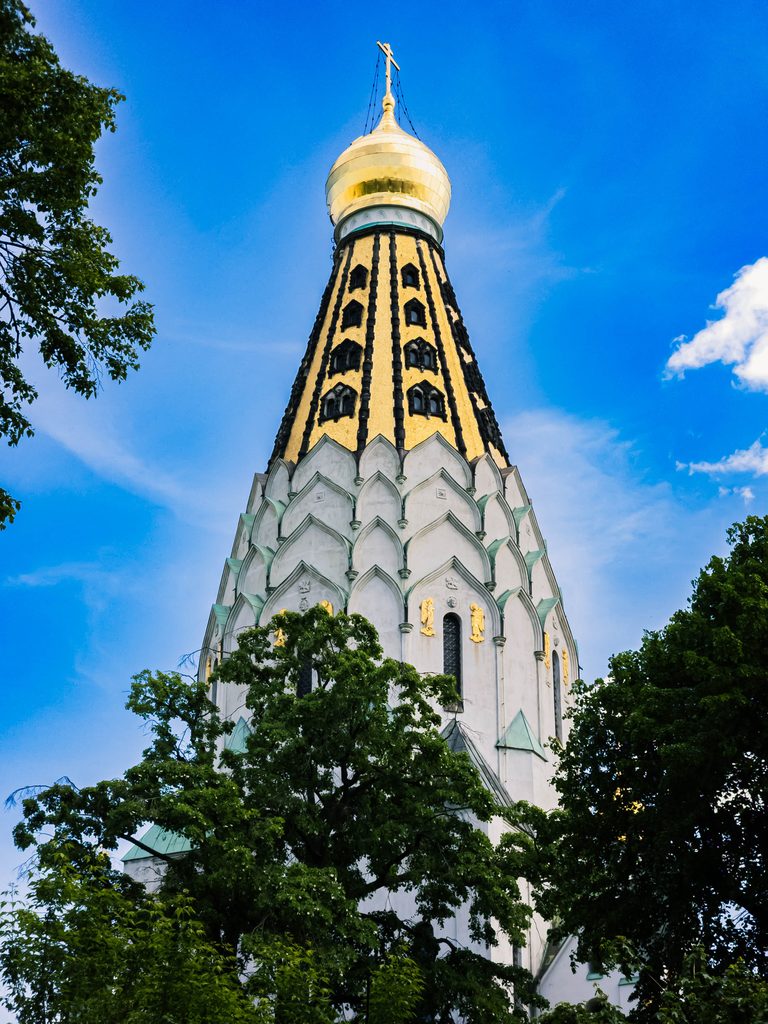
I only made it there towards the end of my sightseeing, when tiredness was really starting to tell. Unfortunately, by the time I finally arrived, the church was already closed. I didn’t get to see inside, but its remarkable architecture made the extra walk worthwhile. It looks so different from the other Leipzig landmarks that for a moment you might feel you have ended up in a completely different country.
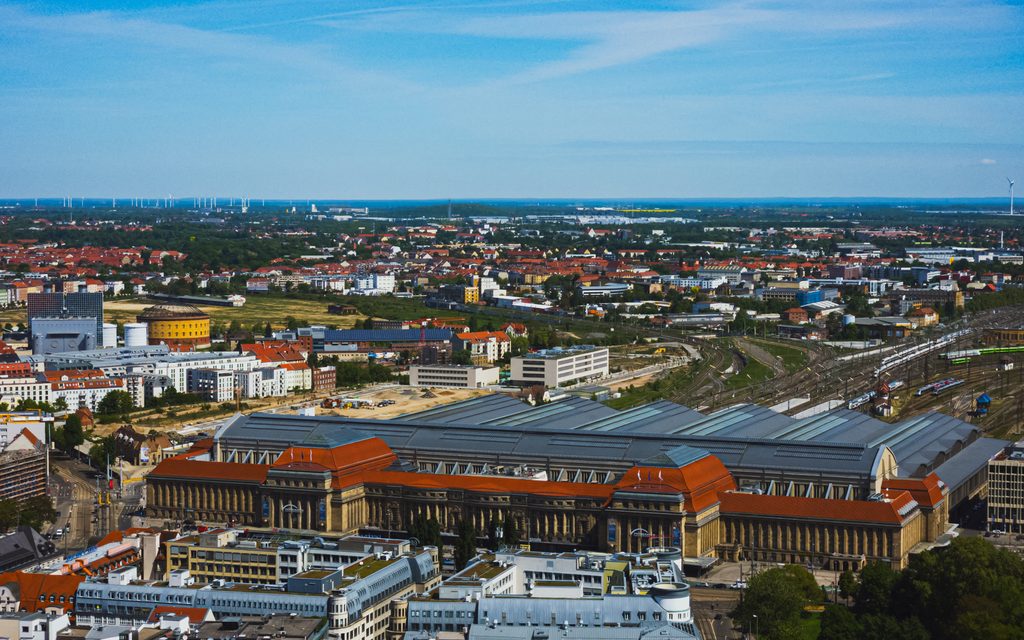
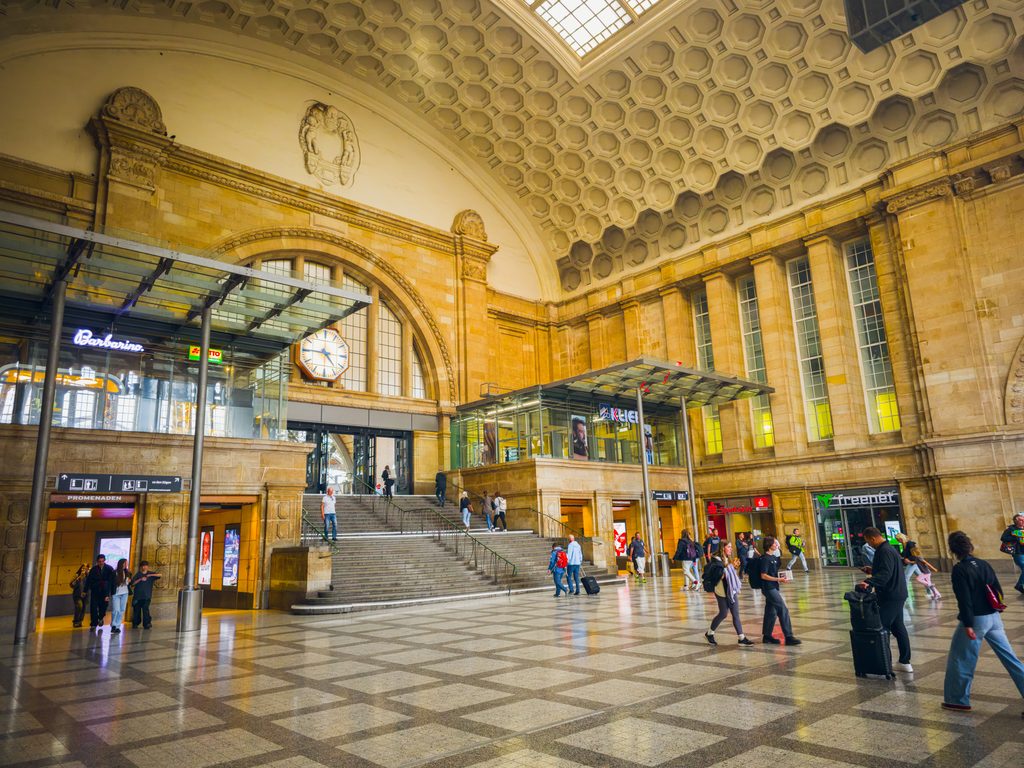
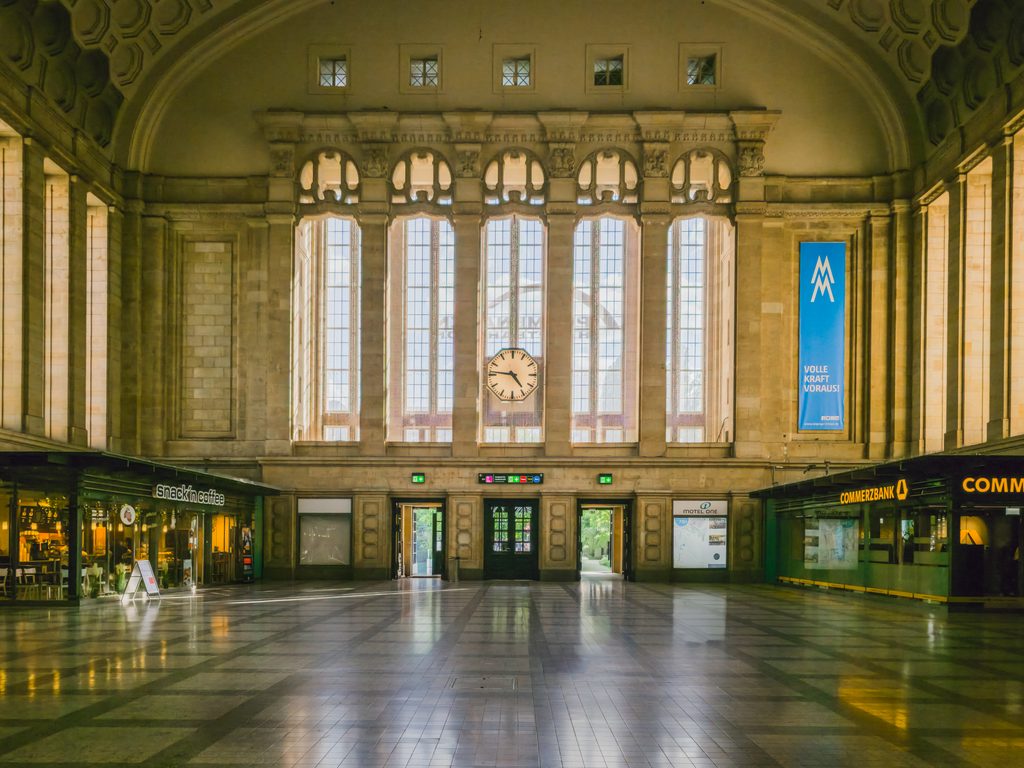
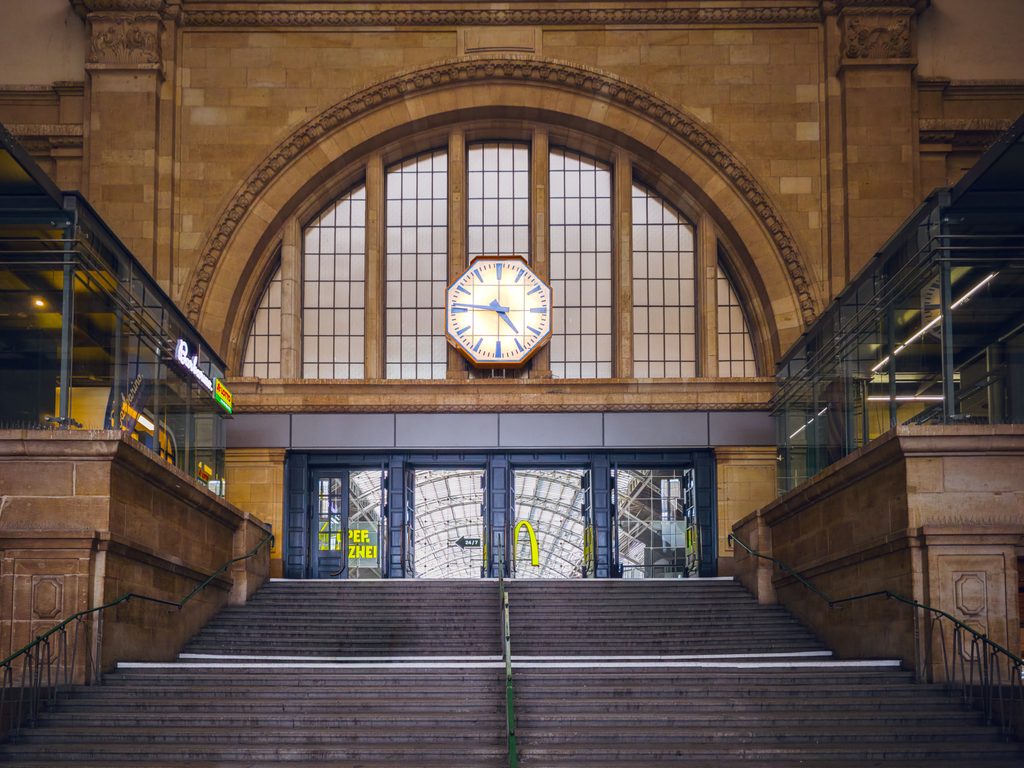
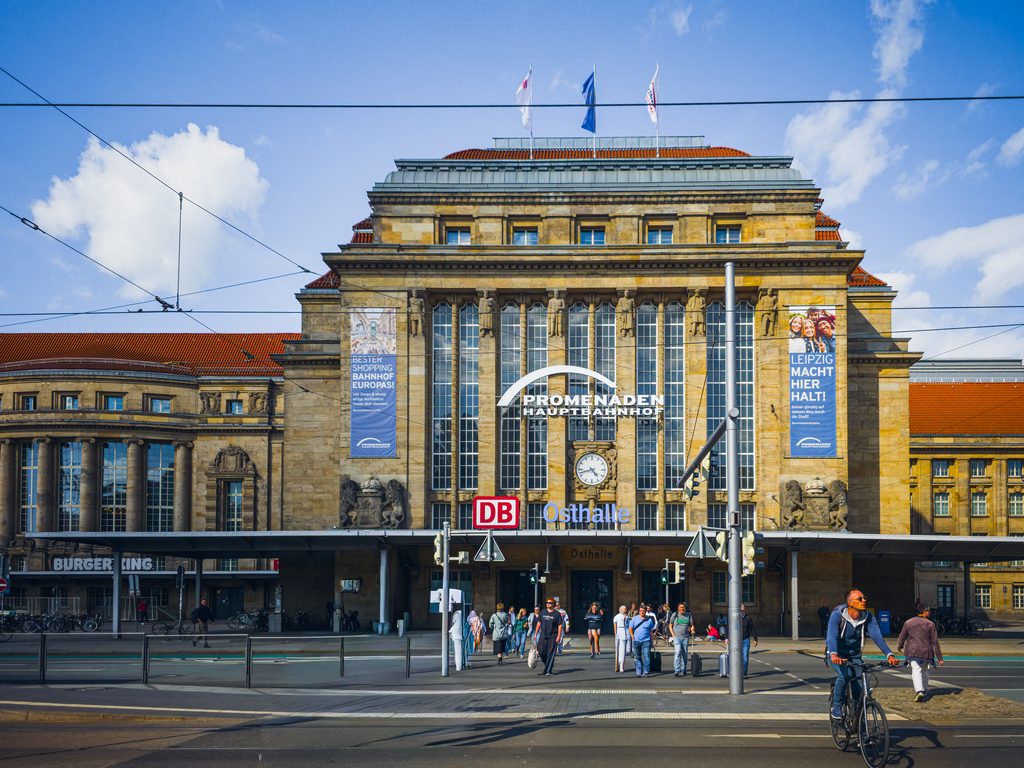
LEIPZIG MAIN STATION (LEIPZIG HAUPTBAHNHOF) also deserves a mention, as it is one of the city’s attractions in its own right. Its monumental façade and vast halls impress even people who normally have no interest in railway architecture. It is worth taking a moment to look inside, rather than treating the station purely as a place to arrive and depart from. Leipzig of course has many more interesting places, including the famous MONUMENT TO THE BATTLE OF THE NATIONS (VÖLKERSCHLACHTDENKMAL), but one day may well turn out to be far too short to get to know all the sights properly.
Although I managed to see quite a lot on my trip, Leipzig has much more to offer. I ran out of time to see all of its attractions, so if you are planning a longer stay, it is worth including the MONUMENT TO THE BATTLE OF THE NATIONS (VÖLKERSCHLACHTDENKMAL), a monumental structure commemorating the battle of 1813, or the PLAGWITZ district, where former factories, red-brick architecture and the KARL HEINE CANAL create a completely different face of the city. Art lovers can look in at the GRASSI MUSEUMS or at the former cotton mill, the LEIPZIGER BAUMWOLLSPINNEREI, which now houses galleries and artists’ studios. Another interesting option is the PANOMETER LEIPZIG, where huge panoramic artworks are displayed inside a former gasometer. I would happily go back to Leipzig, because I feel that on this one trip I got to know only a part of what it has to offer.
SIGHTSEEING IN PRACTICE
Many of Leipzig’s most important sights are fairly close together, so the historic centre is easy to explore on foot. The table below should help you plan your walk and estimate how long it takes to reach each attraction. I took MARKT, the main market square, as my starting point. Some places are a little further away, though, so if you are short of time it may be worth considering public transport.
| Attraction | Route | On foot |
| Mädler-Passage | 191 m | 3 min |
| Old Exchange (Alte Börse) | 235 m | 3 min |
| Specks Hof | 330 m | 4 min |
| St Thomas’s Church (Thomaskirche) | 345 m | 5 min |
| St Nicholas’s Church (Nikolaikirche) | 441 m | 6 min |
| Paulinum | 481 m | 6 min |
| Augustusplatz | 536 m | 7 min |
| New Town Hall (Neues Rathaus) | 619 m | 8 min |
| Panorama Tower | 620 m | 8 min |
| Leipzig Zoo | 1,028 m | 14 min |
| Main Station (Hauptbahnhof) | 1,119 m | 15 min |
| GRASSI Museums | 1,169 m | 16 min |
| Russian Memorial Church of St Alexis | 2,816 m | 37 min |
| Plagwitz - Karl Heine Canal | 3,796 m | 51 min |
| Panometer Leipzig | 4,071 m | 54 min |
| Monument to the Battle of the Nations | 4,784 m | 63 min |
The distances and walking times were calculated from OpenStreetMap pedestrian routes using the OSRM planner (9 November 2026). The values refer to specific routes and destination points, and the actual walking time may vary depending on your pace, the route you choose and the time you spend taking photos and sightseeing.
A FEW WORDS ON THE HISTORY OF LEIPZIG
Leipzig’s history stretches back over a thousand years. The first written mention of a settlement referred to as “urbs Libzi” dates from 1015, while Leipzig received its town and market rights around 1165. Thanks to its favourable position at the crossroads of important trade routes, the city soon began to grow. The fairs held here were particularly important and in time attracted merchants from many parts of Europe. In 1497 Leipzig received an imperial privilege that strengthened its position as a major trading centre. The city’s wealth was reflected in its architecture, and traces of this can still be admired today.
Leipzig also played an enormous role in the history of European music. It was here that JOHANN SEBASTIAN BACH worked for 27 years, from 1723 to 1750, serving as cantor at St Thomas’s Church. FELIX MENDELSSOHN BARTHOLDY and other outstanding composers were also associated with the city. But the story of Leipzig is not only about trade and culture. In October 1813 the BATTLE OF THE NATIONS (also known as the Battle of Leipzig) was fought here, one of the largest clashes of the Napoleonic era, which ended in defeat for Napoleon’s army. Poles also took part in the battle, and during the retreat Prince JÓZEF PONIATOWSKI died, having been made a Marshal of France only a few days earlier.
In the 19th century Leipzig developed into an important industrial, railway and publishing centre. The following decades, however, brought enormous change. During the Second World War part of the city was badly destroyed, and after the war Leipzig found itself within the borders of the German Democratic Republic. A special place in its recent history belongs to 1989, when the city became one of the main centres of the peaceful revolution. On 9 October around 70,000 demonstrators took to the streets, demanding freedom and democratic change. These events played an important part in the process that led to the fall of the communist system in East Germany and, later, to German reunification.
Today Leipzig is a city where traces of all these events are still visible. Historic buildings, monumental memorials, former factories and contemporary architecture are a reminder of how many different eras have shaped its present character.
FROM A TRUCK DRIVER’S PERSPECTIVE
Torgau is one of those places I keep returning to on my routes, because we have loads to pick up there. I left the rig in a small industrial zone where the parking conditions are rather basic and there is hardly any question of comforts. It was about 2 km to the railway station, which I covered on foot, and from there I could easily get a train to Leipzig.
Of course, Torgau is not necessarily the best starting point for every driver. It is certainly worth considering other towns and railway connections as well, especially if you have the chance to stop closer to Leipzig. In my case Torgau was simply on the way, and since I had a break there anyway, I decided to use the free time for sightseeing.
There are, after all, several parking areas and industrial zones around Leipzig. It is worth checking in advance, though, not only whether it is legal and safe to leave your rig there, but also whether you can get to public transport or the railway. Not every parking area is easy to leave on foot, and the nearest stop shown on the map does not always mean you can reach it safely. So before planning a trip, it is best to check both the route to the centre and how you will get back to the parking area.
WAS IT WORTH VISITING LEIPZIG?
Definitely! Leipzig turned out to be a city that can surprise you, especially if you like history, architecture and discovering interesting places with a camera in hand. What impressed me most was the variety of its buildings. The elegant Old Town Hall, the monumental New Town Hall, historic churches and modern buildings make an extremely interesting mix. Add to that the view of the city from above and the Russian church, which I reached already very tired but which I definitely don’t regret visiting. Each of these places showed me a completely different side of Leipzig.
Although I devoted a good part of the day to sightseeing, I didn’t manage to see everything on my list. Leipzig has much more to offer than you might first think, so I would recommend anyone who wants to get to know the city better to plan at least two days. I would happily come back to discover the places I ran out of time and energy for this time.
This trip was also rather personal for me. I returned to a city I had visited as a child but which I hardly remembered. This time I could look at Leipzig completely differently, without the rush of everyday work and with the chance to stop at everything that caught my attention. And although only a few memories remained from that first visit, I brought back quite a lot from the second one. Along with a solid portion of photographs!
GALLERY


DISCOVER MORE
LONDON – A CITY SEEN FROM THE THAMES
Z TAMIZY
A two-hour cruise along the Thames. See London’s most important landmarks from the deck of a boat and find out whether this way of exploring the city is really worth choosing.
SEEHOF PALACE - BAROQUE ELEGANCE NEAR BAMBERG
Four towers, green shutters, gardens and almost perfect symmetry. Seehof is a place worth exploring from every angle and enjoying without rushing.
KRISTIANSAND - A NORWEGIAN CITY BY THE SEA
White wooden houses in Posebyen, charming streets and a rugged coastline. Kristiansand is where Norwegian tranquillity meets seaside charm, with picturesque corners waiting around every turn.


Join the conversation