

AT A GLANCE
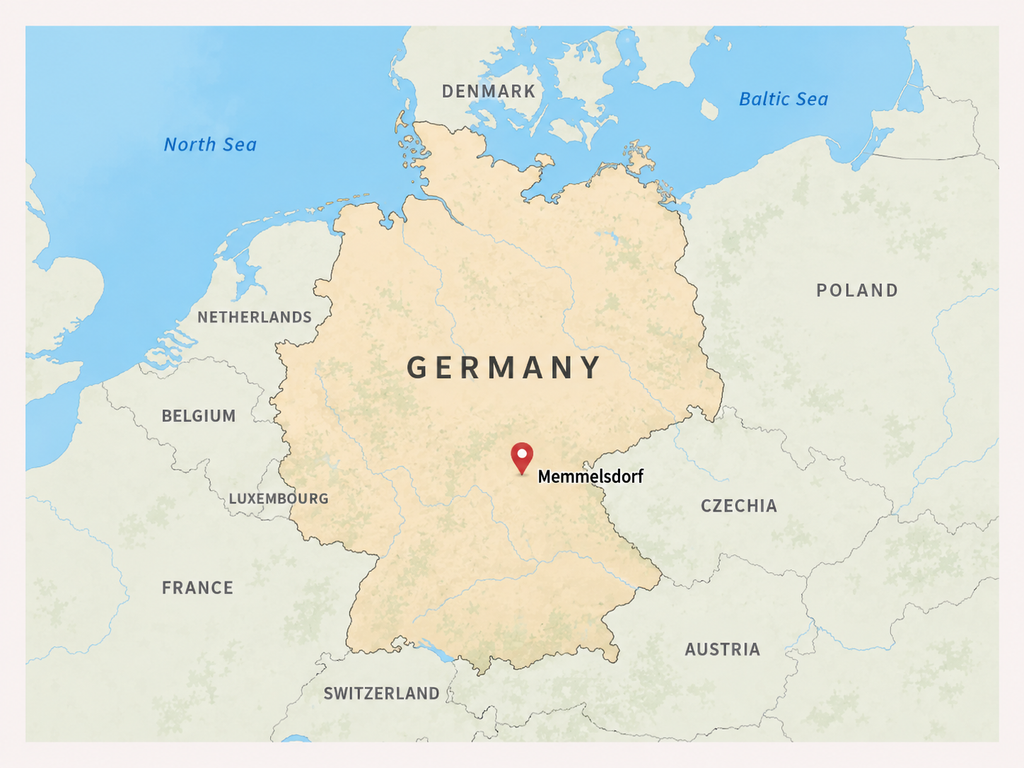
Location Memmelsdorf, Germany
Region Bavaria
Type of property: palace
Period of construction: late 17th century
Architectural style: Baroque
Sightseeing time: approx. 1-2 hours
Official website: schloss-seehof.de
My Rating: 7/10
FROM THE CAB TO THE BIKE, FROM THE BIKE TO THE PALACE
Germany is basically part of my everyday life. Deliveries, pick-ups, driving through - nothing unusual. But every now and then, I get a weekend when I can slow down for a moment instead of covering more kilometres and take a look around. This time, I stopped not far from Bamberg, right in the middle of summer.
The weather was perfect - warm, sunny and absolutely no reason to spend the whole day sitting in the cab. So I took out my bike, which I almost always carry with me in spring and summer. It is my way of getting a little further away from the truck and reaching places that would be too far on foot, where public transport does not always make sense, and at the same time giving my body some much-needed movement after many hours behind the wheel.
On the first day, I cycled to Bamberg. On the second, I wanted to see something outside the city. A few minutes of browsing the map later, SEEHOF in Memmelsdorf appeared - a palace about 11 kilometres away. A perfect distance for a bike ride, so I did not have to think twice.
A STORY WRITTEN IN THE WALLS
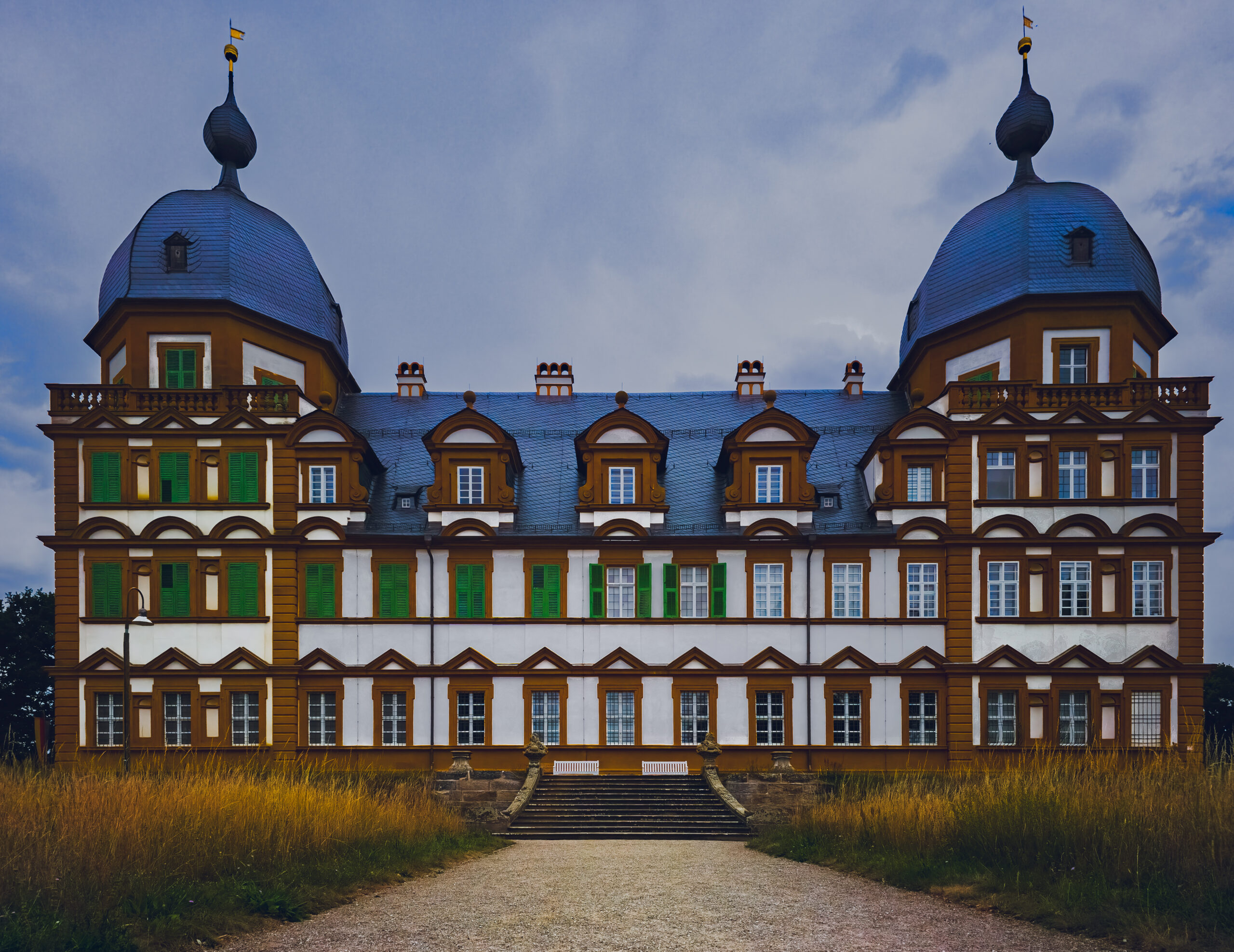
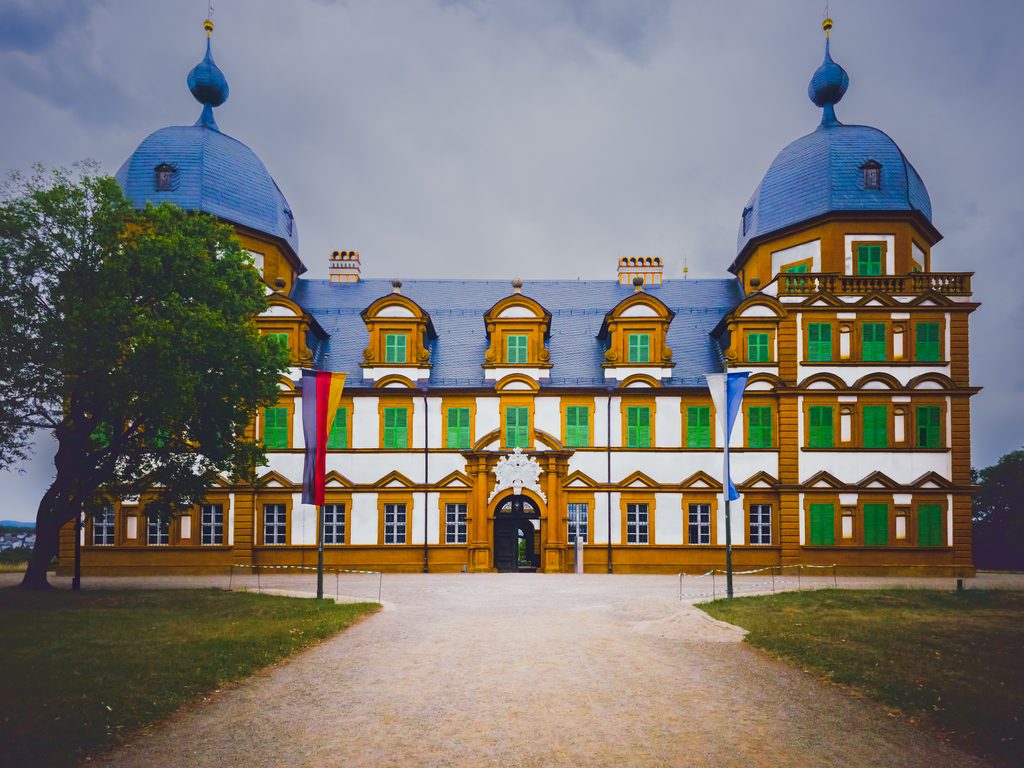
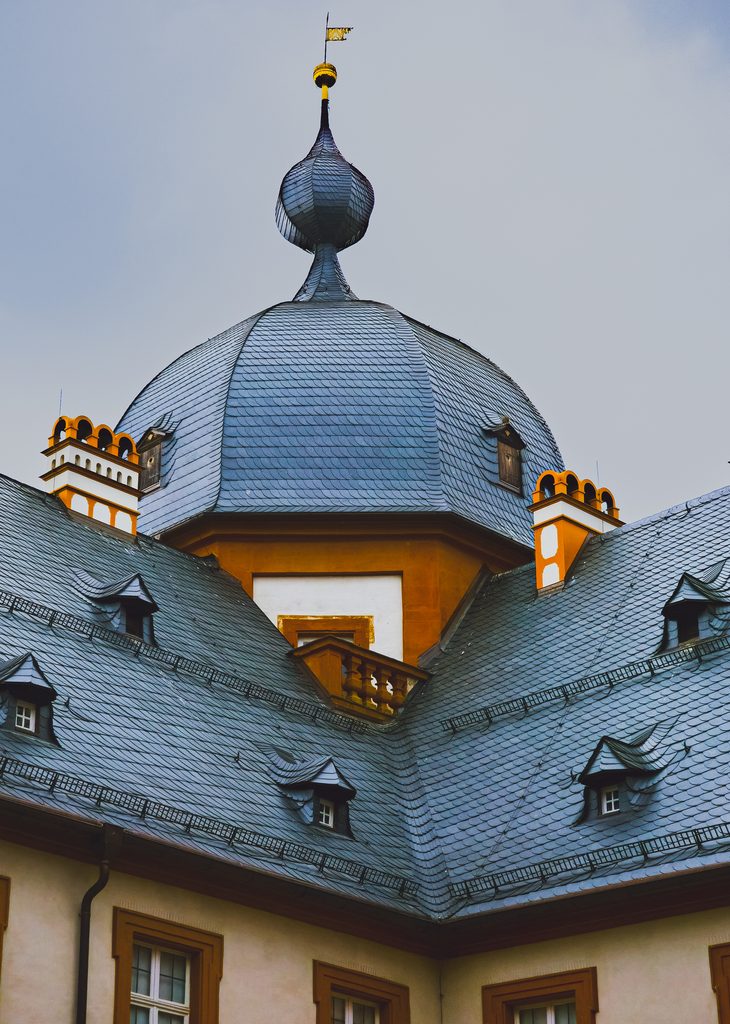
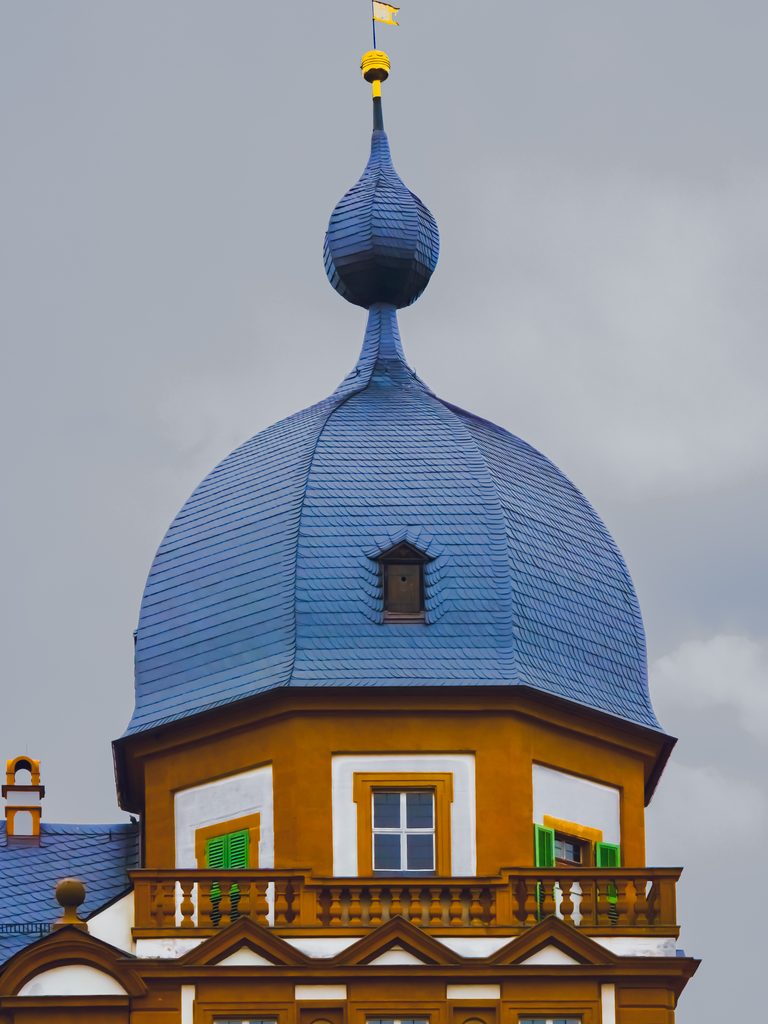
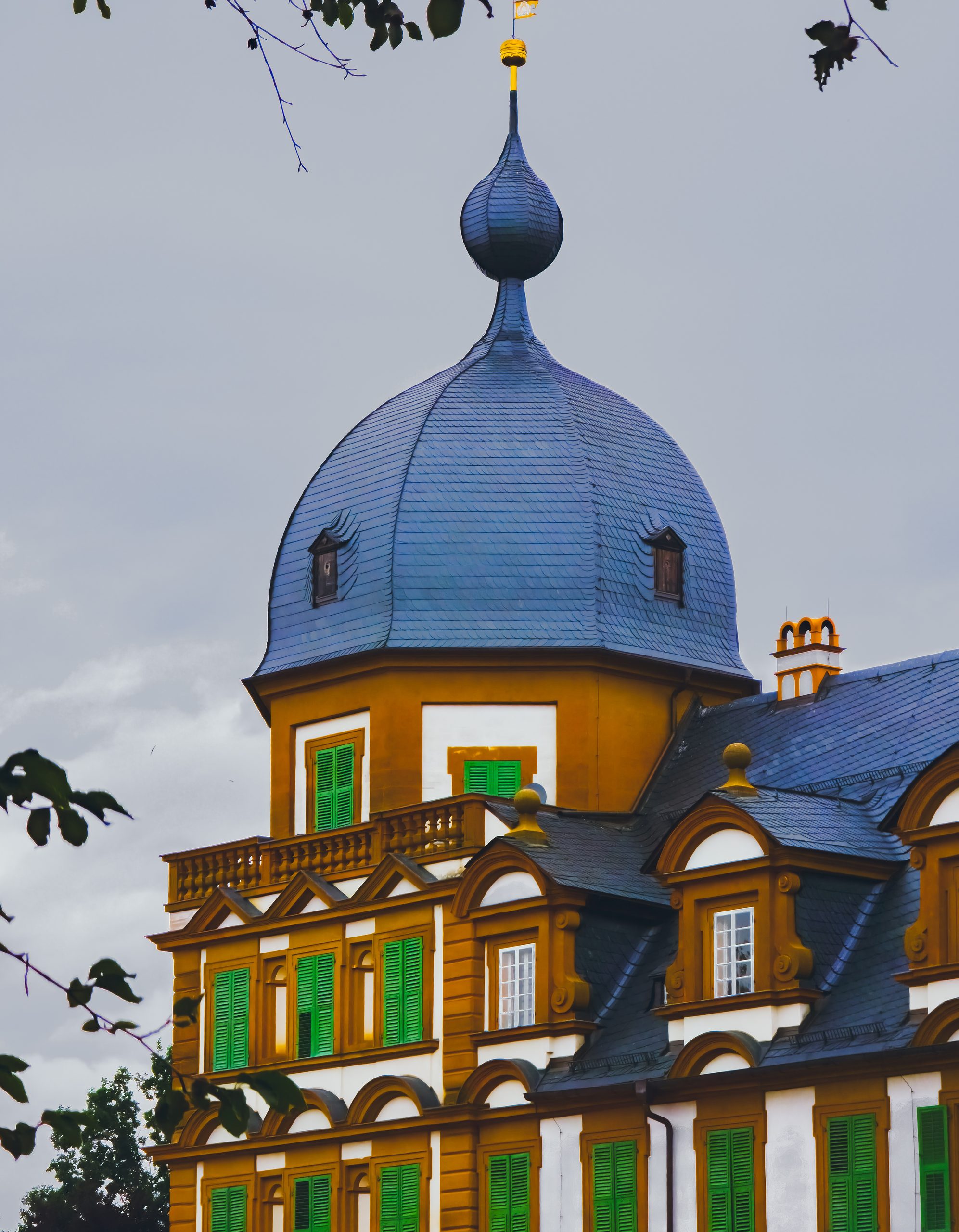
Before Seehof became a Baroque residence, a much more modest hunting lodge and country estate stood on this site, with origins dating back to the late 15th century. What we see today began to take shape at the end of the 17th century. In 1687, on the initiative of the Bamberg Prince-Bishop Marquard Sebastian Schenk von Stauffenberg, construction began on a four-wing palace designed by the northern Italian architect Antonio Petrini. Its distinctive corner towers make Seehof difficult to confuse with any other residence in the area.
The palace was intended primarily as a summer residence for the Prince-Bishops of Bamberg. A place to escape the city, although certainly not one where anyone planned to relax too modestly. Successive owners expanded and embellished Seehof throughout almost the entire 18th century. In the middle of the century, the White Hall was remodelled, among other rooms, and its ceiling was decorated with a monumental fresco by Giuseppe Appiani. The interiors were designed to impress guests and remind them exactly who possessed the power, the money and a pretty good sense of style.
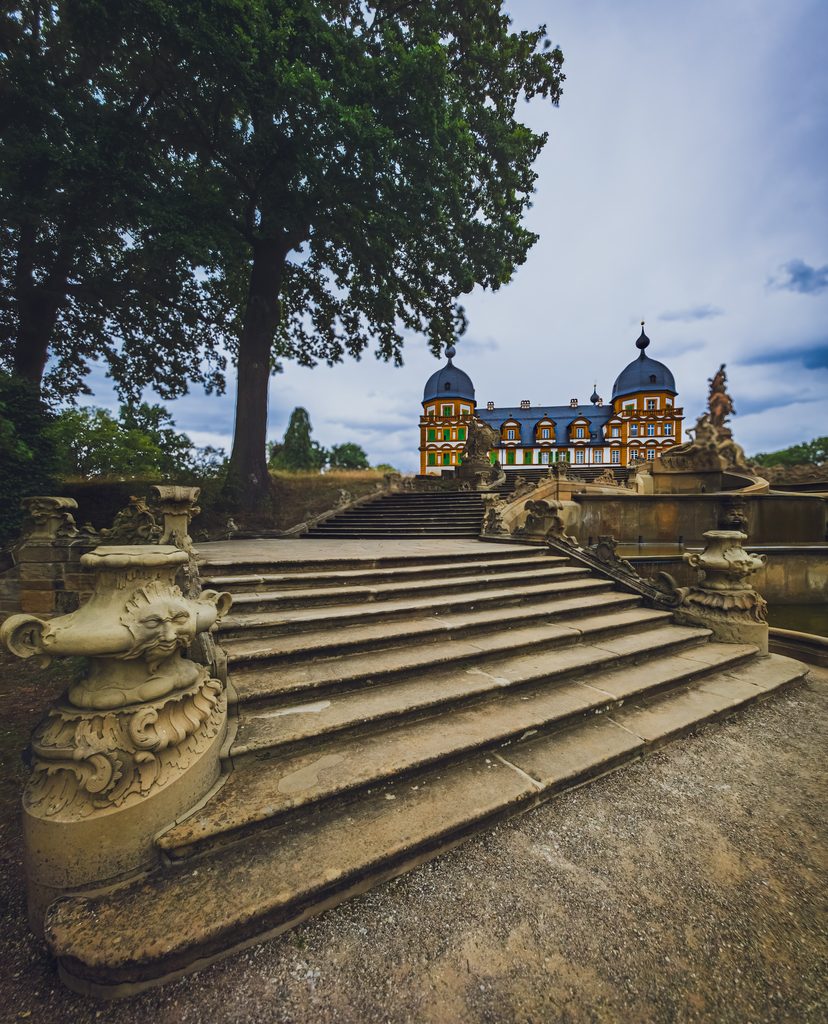
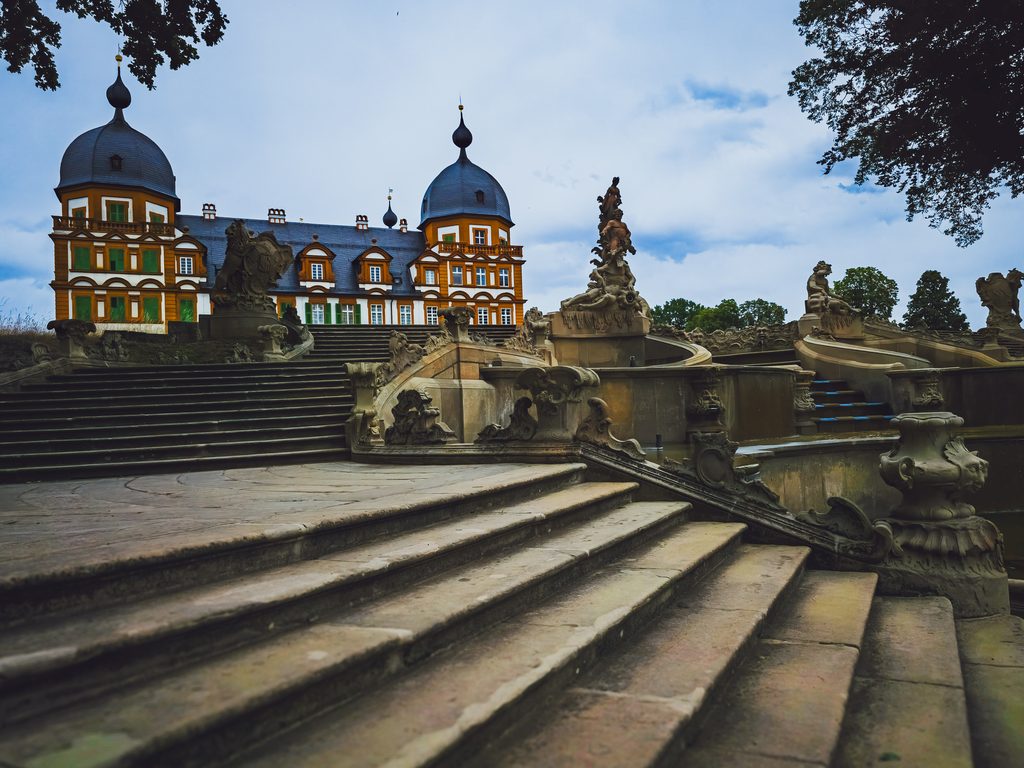
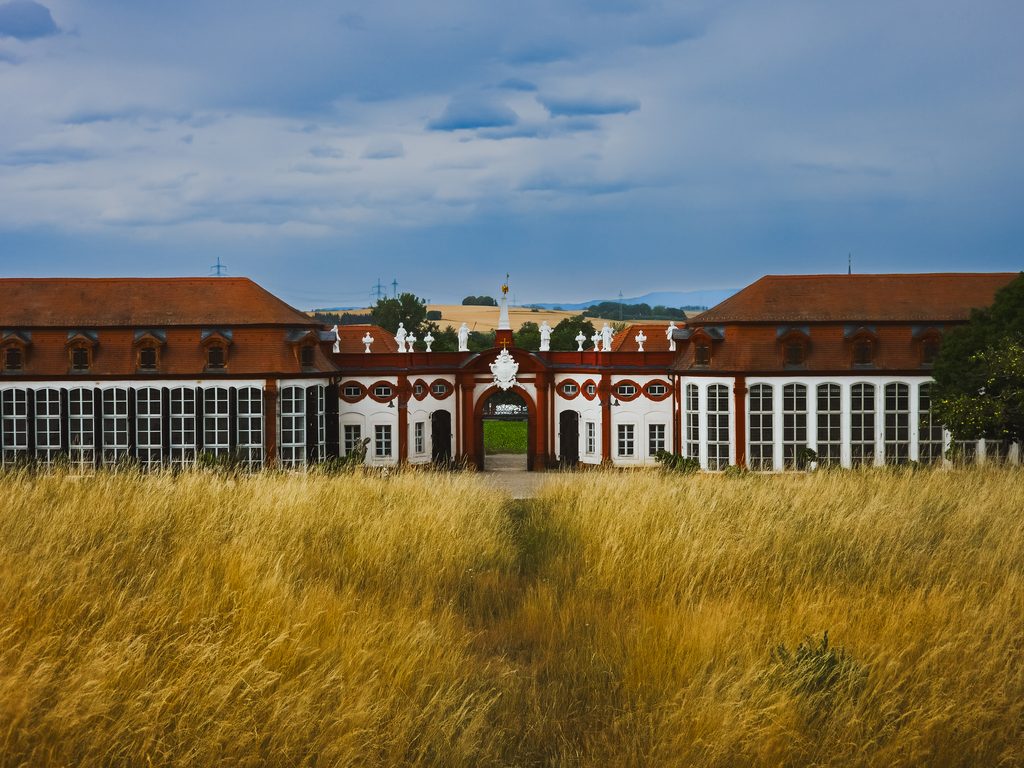
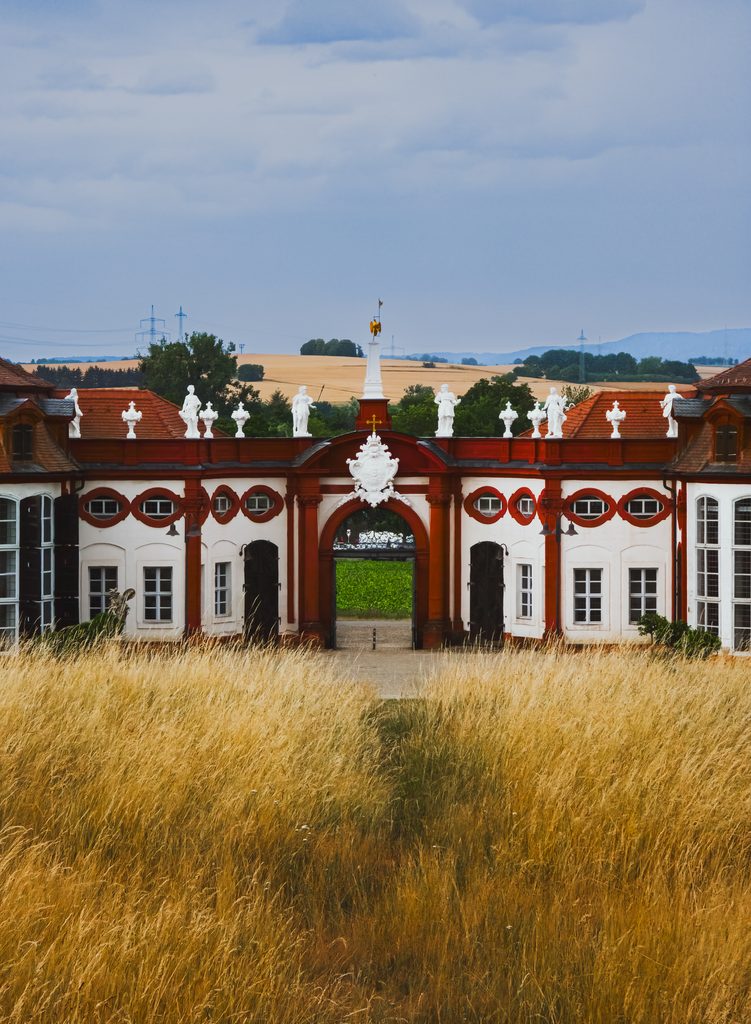
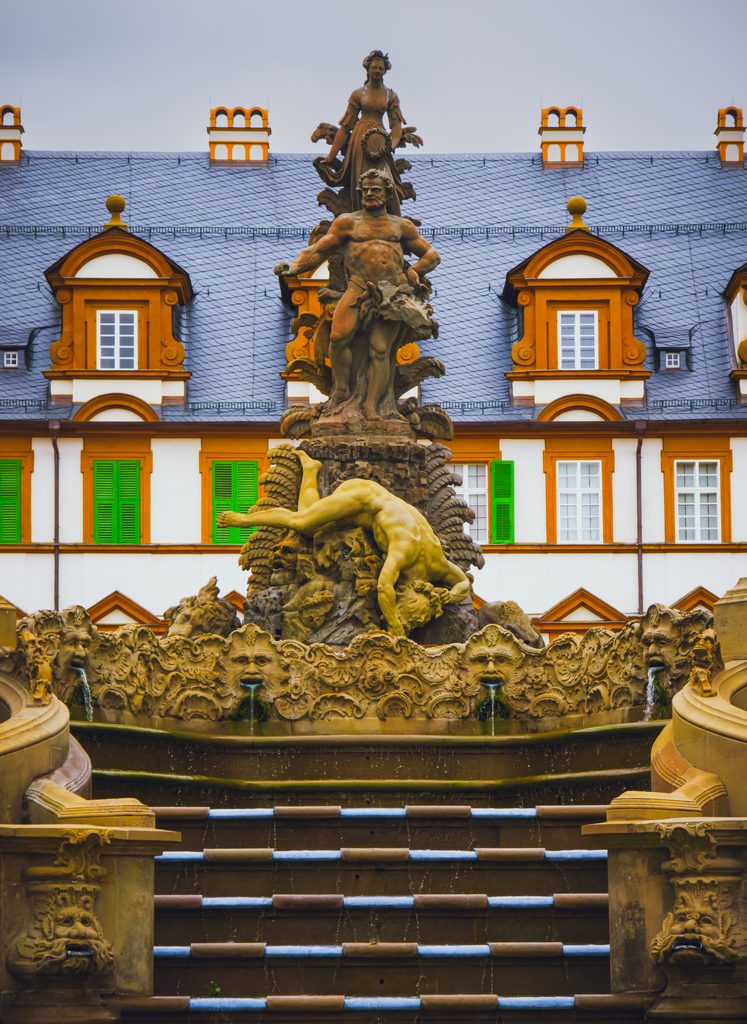
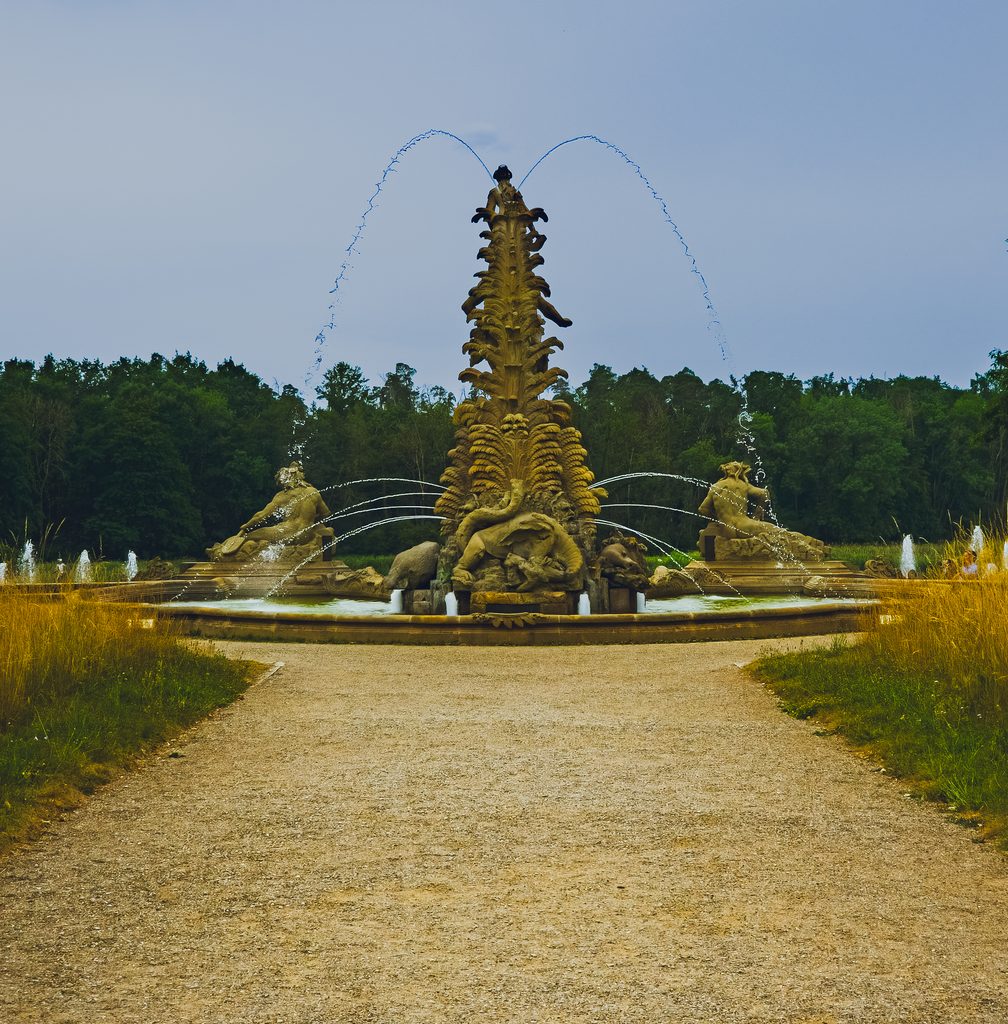
The garden surrounding the palace was just as important as the residence itself. At the beginning of the 18th century, Lothar Franz von Schönborn set aside around 21 hectares for it. The grounds were shaped into regular terraces and divided into six sections. Interestingly, the garden layout differed from typical French Baroque designs and was more reminiscent of Italian villas and Dutch gardens. Later, orangeries, fountains, avenues and a labyrinth were added, while the garden was decorated with hundreds of sculptures by Ferdinand Tietz. Its central feature became the monumental cascade dating from 1772, whose fountains were brought back into operation in 1995 after restoration.
The idyllic period did not last forever. After secularisation in 1803, Seehof ceased to belong to the Prince-Bishops and passed into private hands. Over time, the residence began to fall into decline. It was not until 1975 that the entire complex was purchased by the Free State of Bavaria, after which a long restoration of the palace and gardens began. Thanks to this work, Seehof regained much of its former appearance. And when you look today at its symmetrical façade and four towers rising above the park, it is hard to believe that for a time the future of this place looked far less promising.
WHAT YOU CAN SEE WITHOUT A TICKET
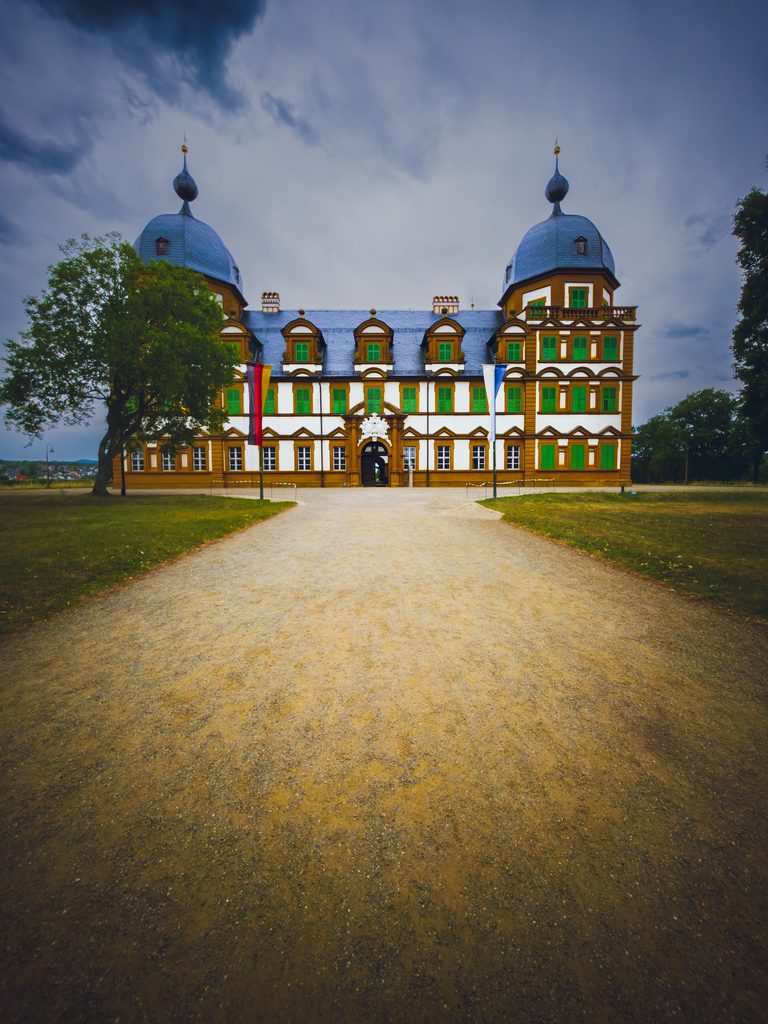
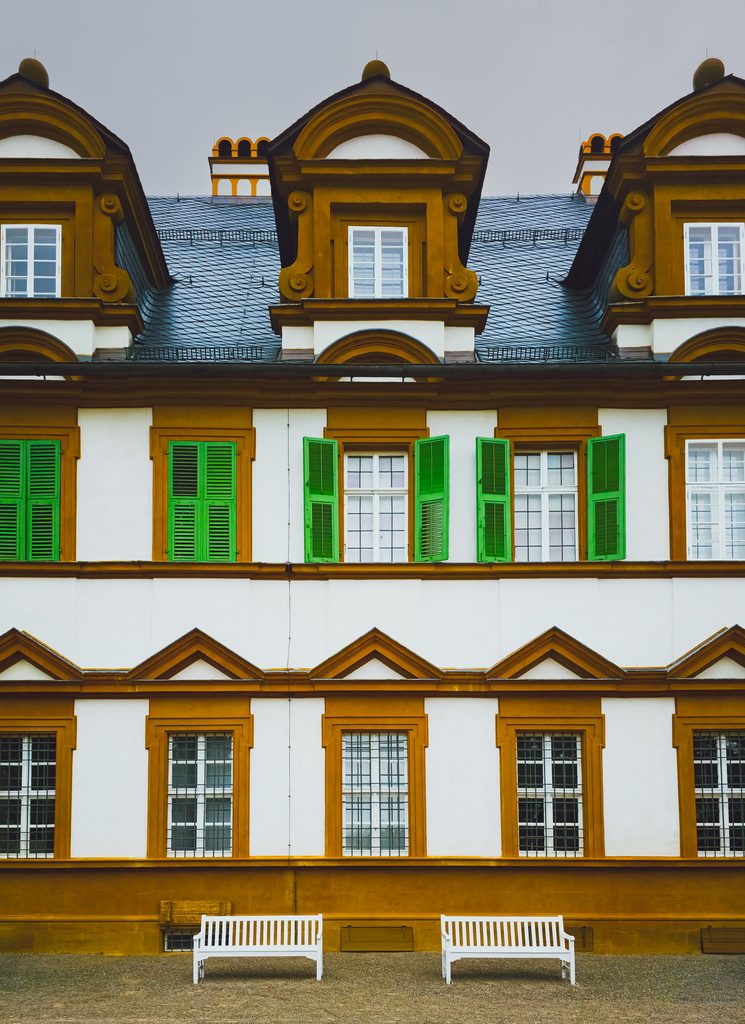
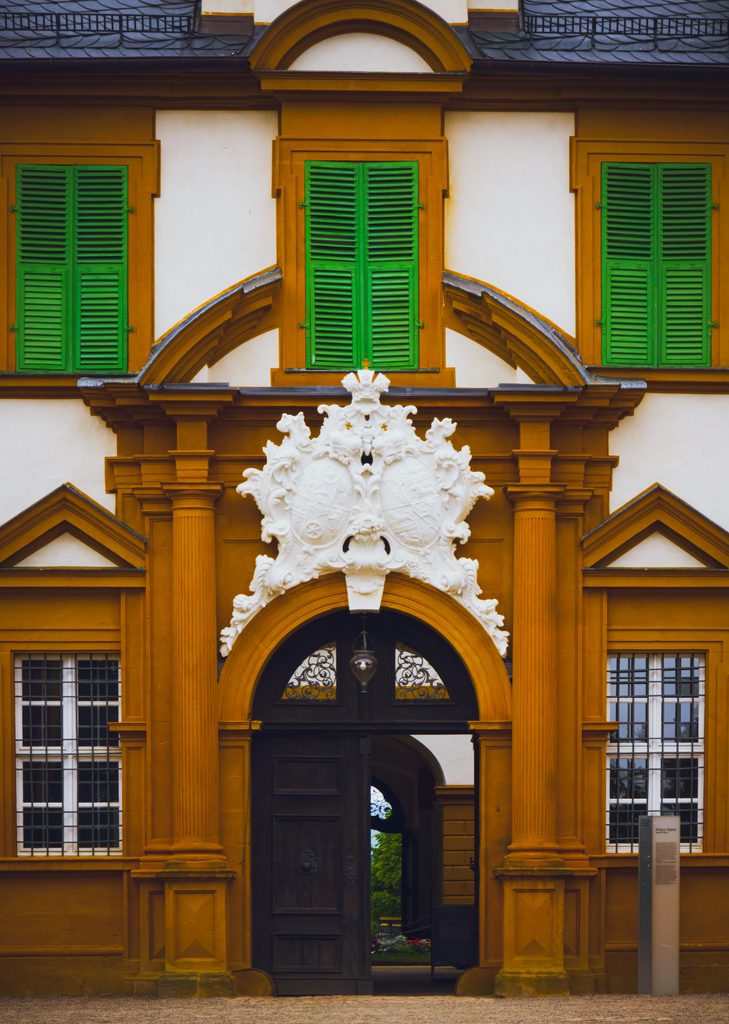
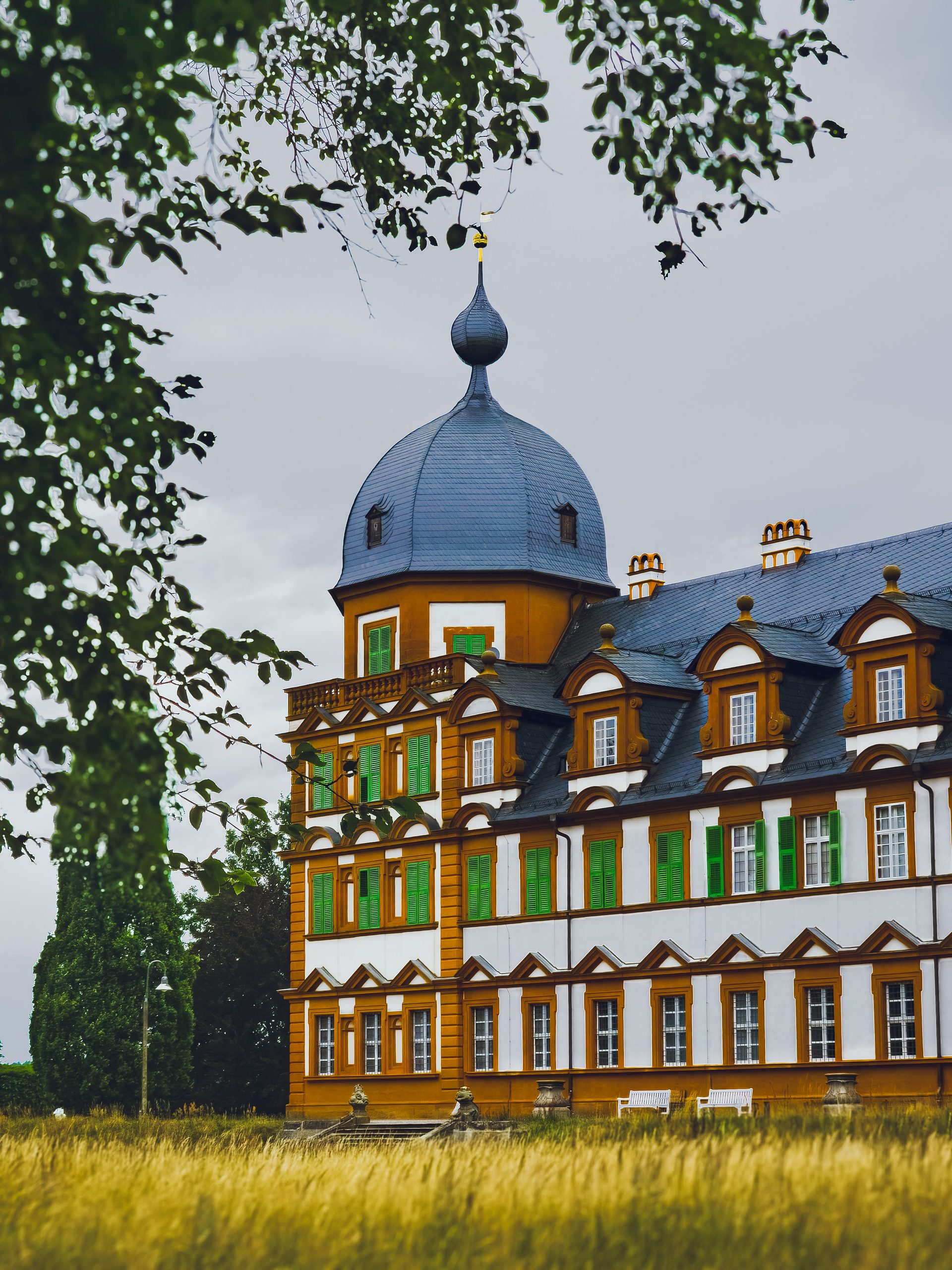
You can walk around the palace from different sides, and each one shows it from a slightly different perspective. From the front, what stands out most is the almost perfect symmetry of the façade and the characteristic towers with onion-shaped domes. From other angles, you can better appreciate the scale of the entire complex and the way the palace connects with the surrounding park. There is also the historic palace park, which is accessible independently of the interior tours. It features long avenues, old hornbeam and lime tree rows, orangeries, preserved sculptures, extensive lawns and formal garden parterres.
The most distinctive feature of the garden is the restored Baroque cascade dating from 1772. During the season, the fountains are also switched on, while in summer citrus plants appear in front of the orangeries. The park also preserves sculptures and other elements of the former garden layout.
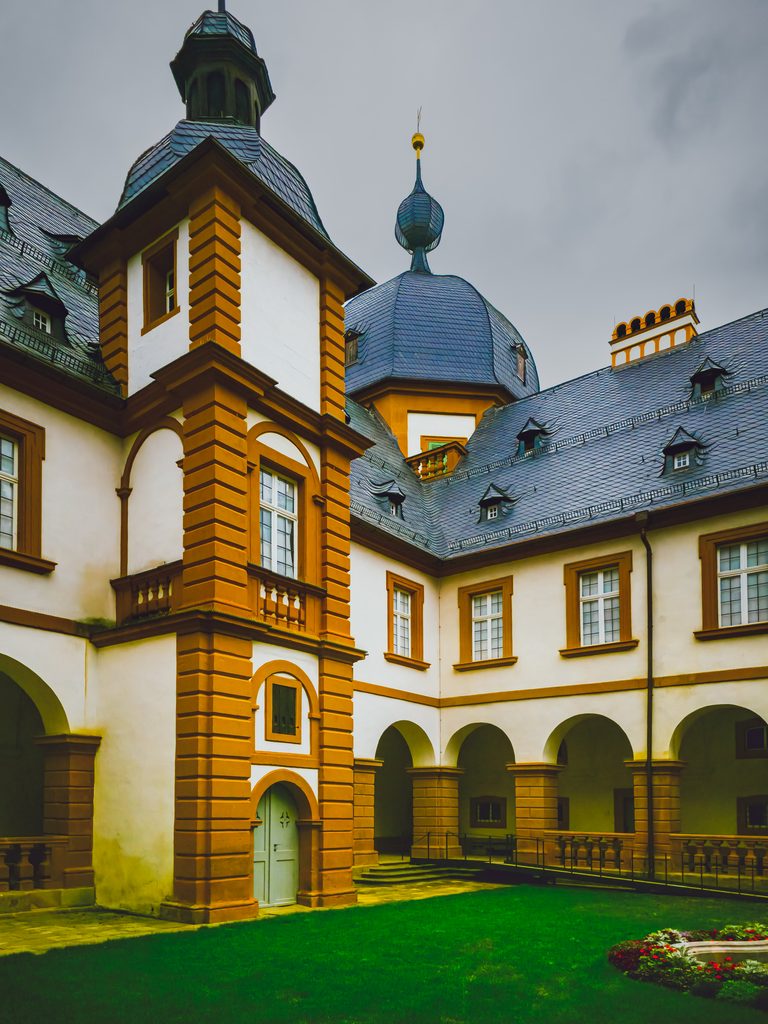
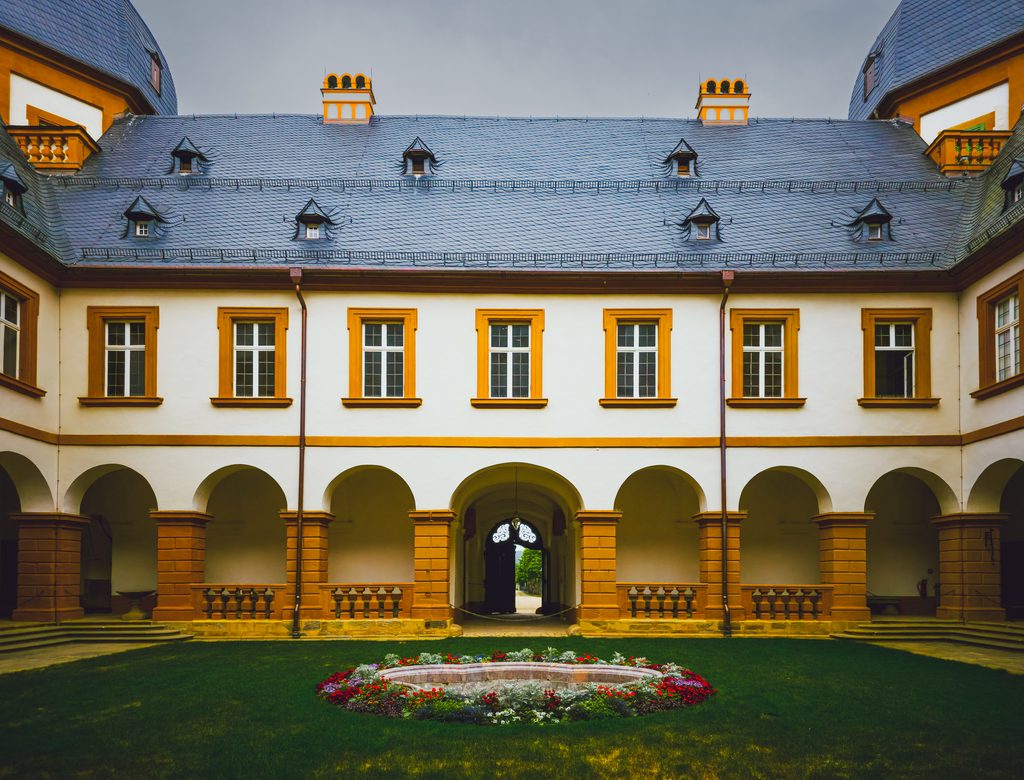
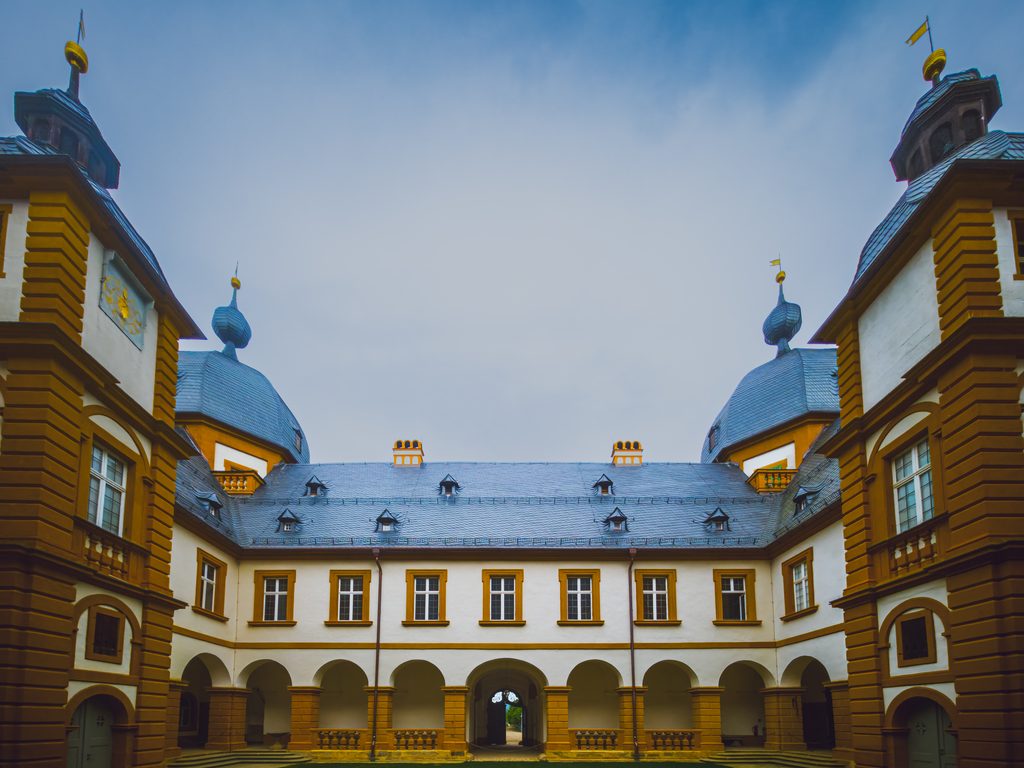
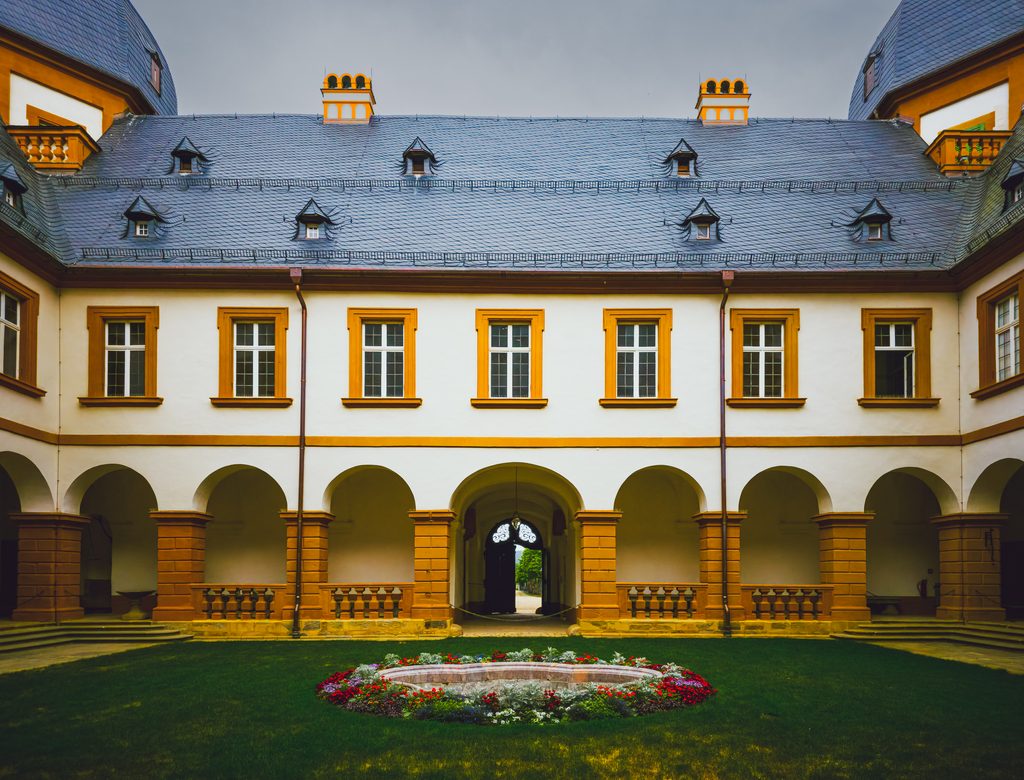
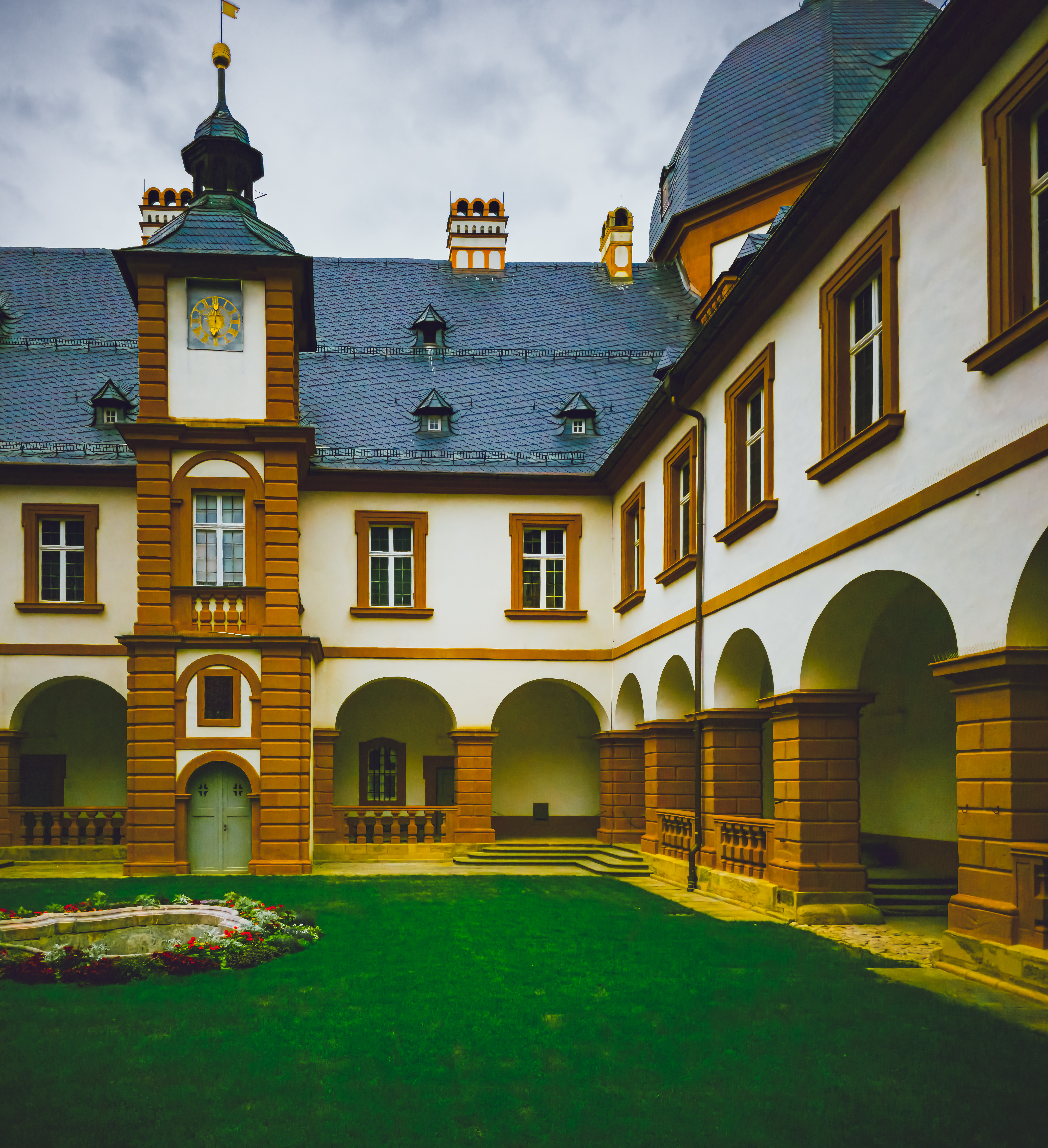
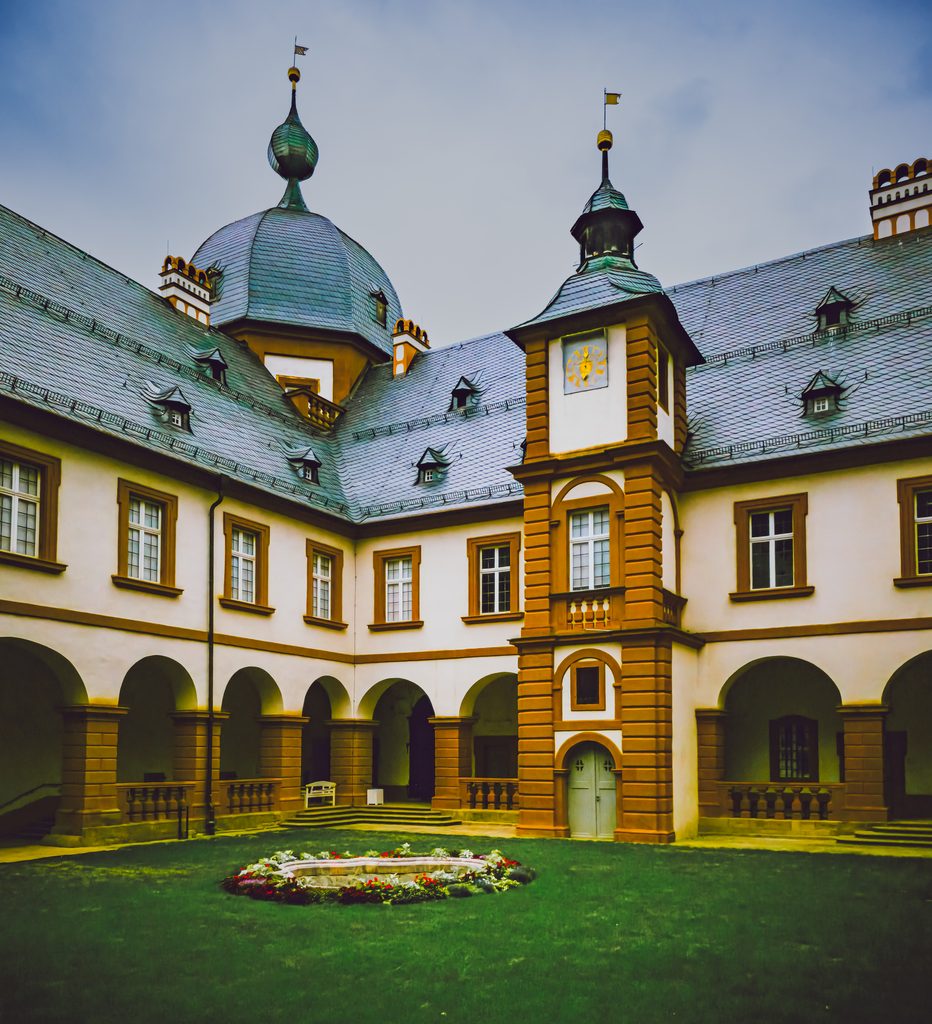
I did not buy a ticket myself and limited my visit to exploring Seehof from the outside. I mainly came to see the residence itself, walk around it and take a relaxed stroll through the grounds. You can also see the inner courtyard without a ticket, so even though I did not enter the palace interiors, I did not feel that my visit was incomplete.
So if you have limited time or are simply more interested in architecture, the park and seeing the palace from different perspectives, Seehof also works very well without buying a ticket. I spent most of my time walking around the building and photographing it from different sides - and there was definitely plenty to look at.
BEHIND THE PALACE DOORS
I did not go inside Seehof myself, so here I am relying on the official information provided by the palace administration. Visitors can see nine representative rooms of the former Prince-Bishops' apartments. The most impressive is the WHITE HALL, with its striking ceiling painting by Giuseppe Appiani, but you can also see some of the former living quarters and furnishings that recall the time when Seehof served as the summer residence of the Prince-Bishops of Bamberg.
The palace cannot be visited independently. Access to the interiors is only possible with a guide, and the tour takes around 45 minutes. Most of the building is not open to tourists, as it is currently used by the Bavarian State Office for Monument Protection.
So if you are mainly interested in architecture, the park and the atmosphere of the place itself, Seehof can easily be treated as a stop without going inside. However, if you enjoy historic interiors and want to see what the representative part of the former residence looked like, it is worth allowing an additional 45 minutes for the guided tour.
FROM A TRUCK DRIVER’S PERSPECTIVE
I left the truck in Bamberg, in a small industrial area right next to the company where I had my delivery. It was a convenient place to spend the weekend - quiet, with very little traffic and close enough to the company that I did not have to look for any additional parking.
On Saturday, I still had a bit of luxury because the company was open and I could use the facilities - the toilet and shower. On Sunday, things looked different. The company was closed, so all that remained was peace, quiet and an industrial area where, apart from a few businesses, there is basically nothing. So if you are considering a similar stop, you have to decide for yourself what matters more to you - a quiet place with little traffic or access to proper sanitary facilities. Here, you probably will not get both at the same time. There are shops nearby, though, so you can easily restock and buy the essentials you need for the rest of your stop.
Seehof was about 11 kilometres away from where I was parked, so the bike turned out to be the perfect solution. The truck stayed safely in place, while I could cycle to Memmelsdorf and back without worrying about public transport or looking for parking closer to the palace. And it is exactly in situations like this that I appreciate having a bike with me in the truck.
IS SEEHOF PALACE WORTH VISITING?
In my opinion, yes, especially if you are already in the Bamberg area. Seehof is not a huge complex that requires an entire day, and that is actually one of its advantages. In a relatively short amount of time, you can see an impressive Baroque residence, walk through the park and view the palace from every side.
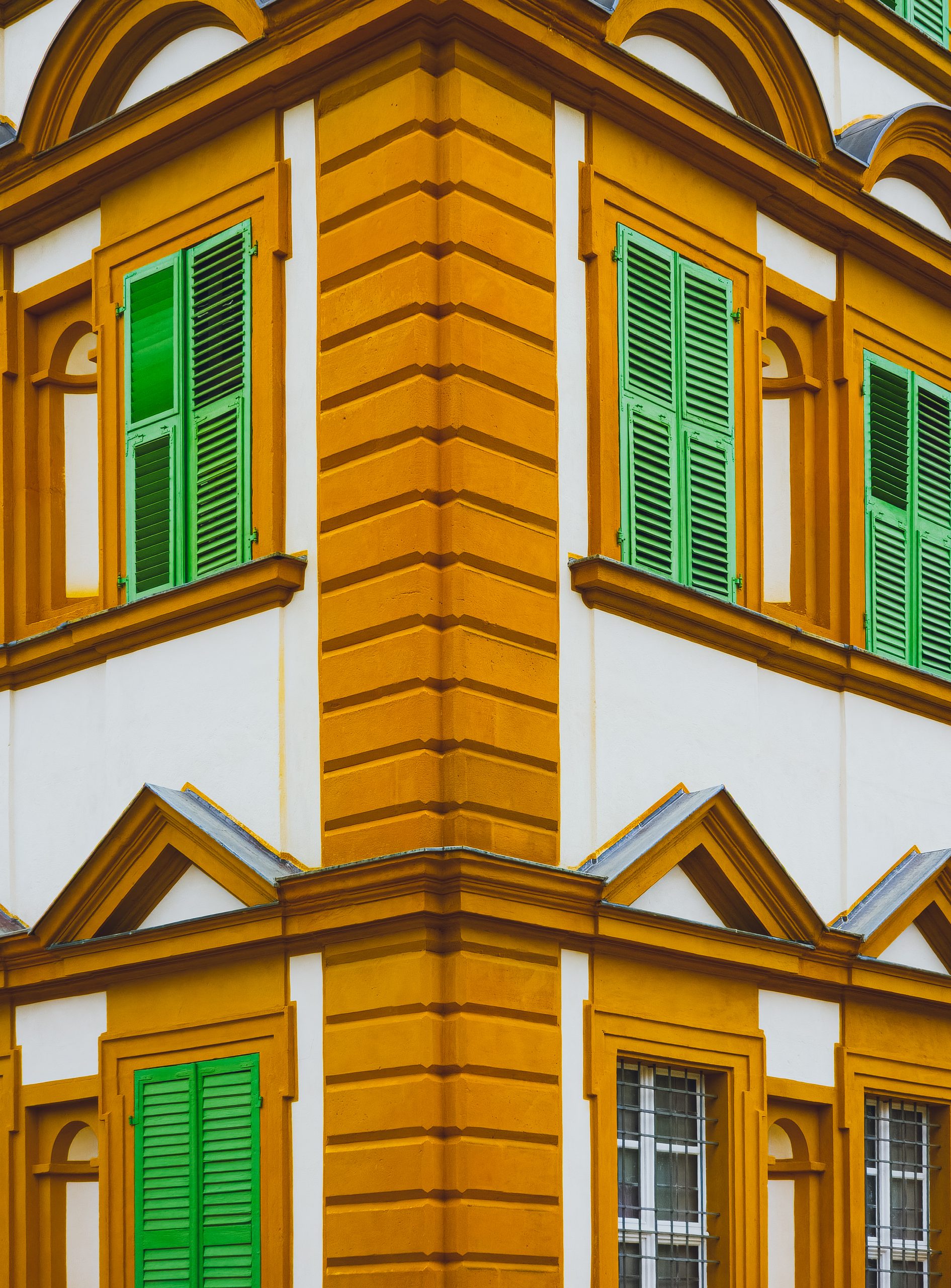
What makes the biggest impression is the building itself. The palace is highly symmetrical, with four distinctive corner towers topped by onion-shaped domes, and it looks remarkably elegant even from a distance. Each side presents a slightly different view, while still maintaining the same orderly, almost perfectly balanced form. If you enjoy architecture, façade details and places that photograph well, there is plenty here to catch your eye.
Another big advantage is how much you can see without buying a ticket. You can walk around the palace, enter the courtyard, stroll through the park and see various elements of the historic gardens. Even a short visit therefore feels worthwhile, rather than simply giving you a quick glimpse of the building from behind a fence.
For me, Seehof was a very enjoyable place to visit. Beautiful architecture, peaceful surroundings, few people and a setting that works extremely well for photography. If you are nearby, it is well worth spending an hour or two here.
GALLERY

DISCOVER MORE
ZUMAIA – EXTRAORDINARY CLIFFS OF THE BASQUE COUNTRY
Discover the extraordinary cliffs of Zumaia, walk along the Basque coast and find out why this place can captivate you whatever the weather.
MALEVAL – A FRENCH VILLAGE FULL OF CHARACTER
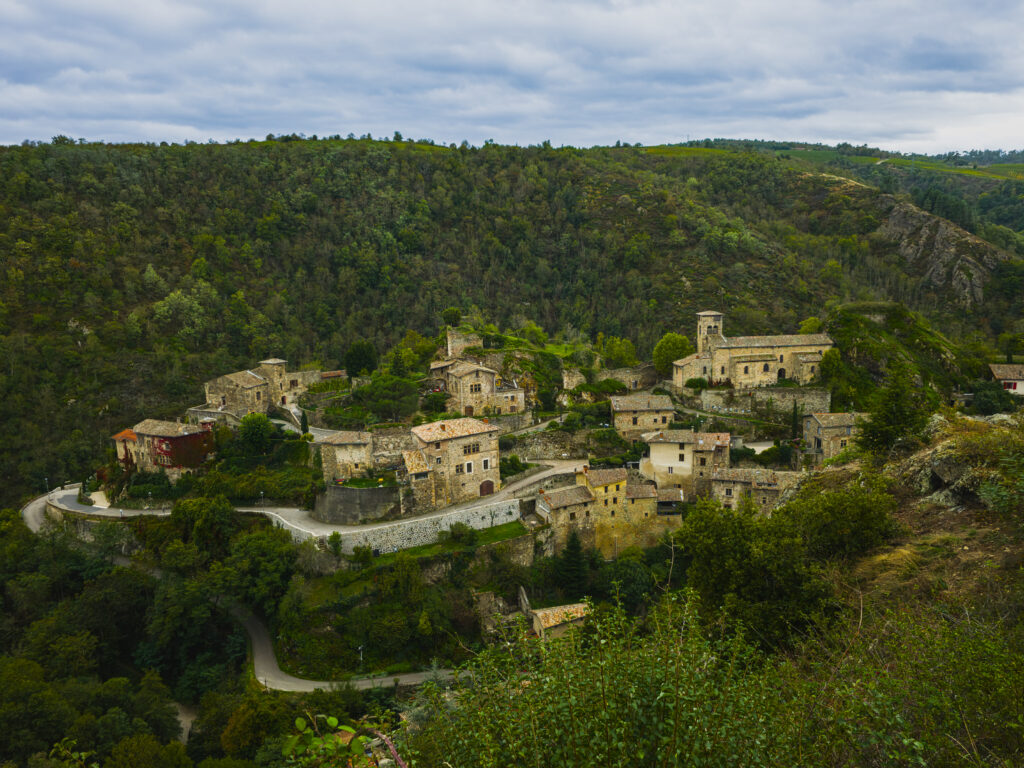
Discover a small French village that I came across during one of my truck routes, and see its stone buildings and peaceful, authentic atmosphere.

I NEVER PLANNED TO BECOME A TRUCK DRIVER
See how the idea of getting a category C driving licence came about and why something that was supposed to be just a challenge for my own satisfaction started leading me in a completely new direction.
Join the conversation