

AT A GLANCE
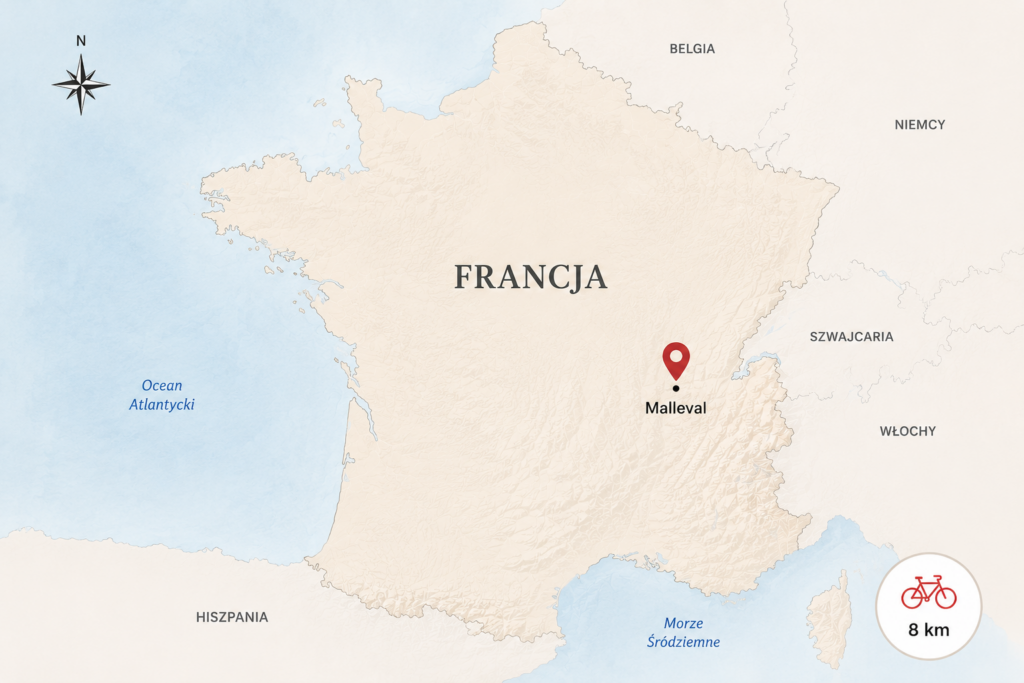
Location Malleval, France
Region Auvergne–Rhône-Alpes
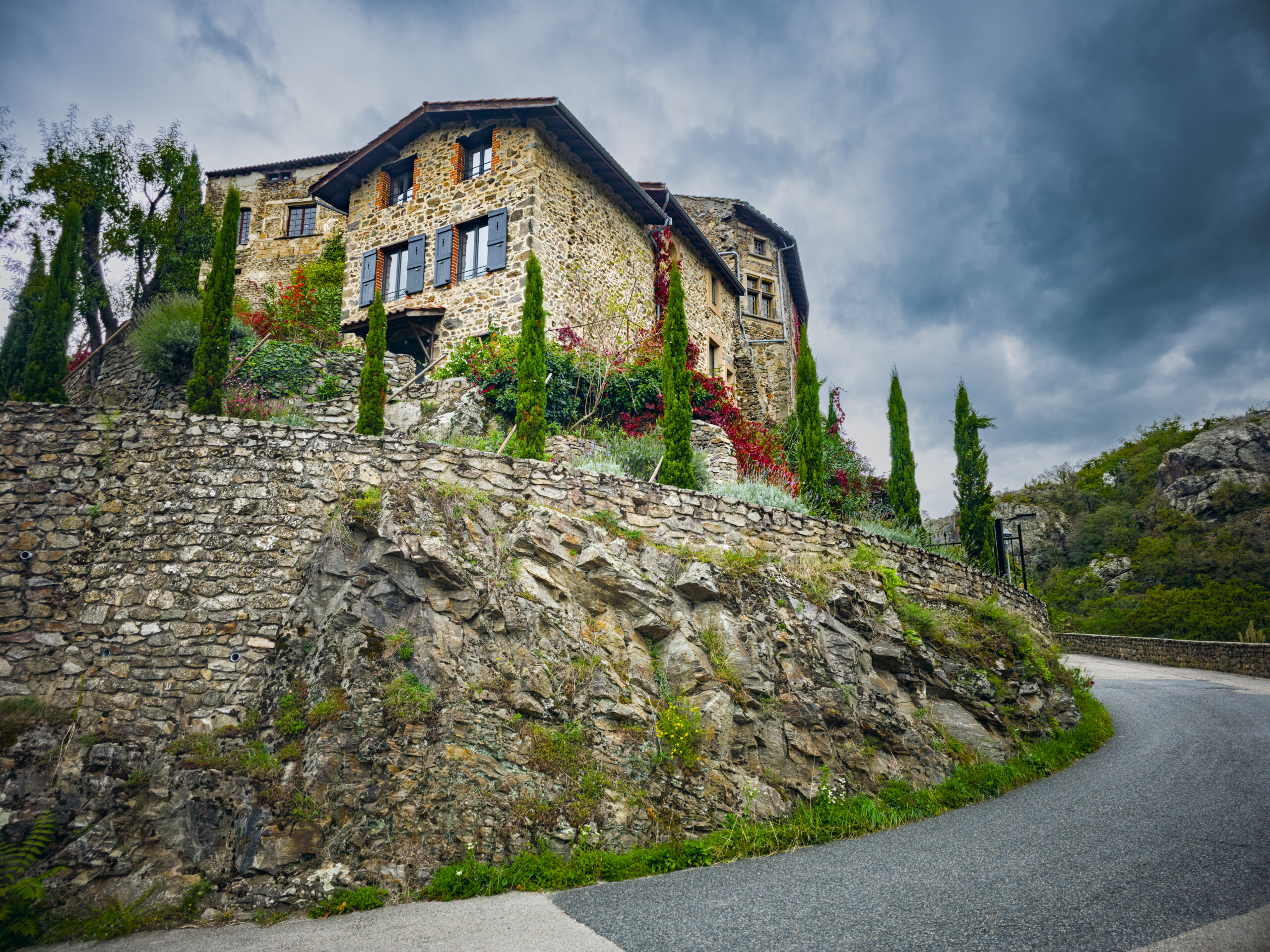
Village character: a medieval village perched on a rocky hillside
Sightseeing time: 2–3 hours
Best for: stone-paved streets, historic architecture and vineyard views
Admission: Free
Official website: pilat-tourisme.fr
My Rating: 10/10
FROM A DELAYED LOADING TO DISCOVERING MALLEVAL
That weekend, I had completely different plans. I had intended to stop somewhere near Reims and had even prepared a short list of places I wanted to visit. But, as is often the case in the life of a truck driver, work has a way of changing even the best-planned itinerary. On Friday, I found out that my load wasn't ready yet. The loading was postponed until Monday, leaving me stranded for the entire weekend in a parking area next to a glass factory in Salaise-sur-Sanne, France.
Fortunately, it was early October. During spring, summer, and early autumn, I almost always carry my bicycle with me. Thanks to that, these unexpected stops often turn into little adventures and opportunities to discover places I had never even heard of before. The weather was perfect, so I took out my phone and started exploring the map of the area. Within a few minutes, one small village caught my attention — Maleval. I had never heard of it before. All it took was seeing a few photos of the village, and I immediately knew I had to visit it. The stone houses, narrow streets, and buildings climbing the hillside looked exactly like the places I love to photograph. Maleval was only eight kilometres away, so the decision was easy — I got on my bike and set off.
At first, everything went according to plan. The ride was enjoyable, and for a while it never even crossed my mind that I was about to receive a humbling lesson. With every kilometre, the road became steeper and the climbs grew longer. I quickly discovered that eight kilometres on a map don't always mean an easy ride. For the last two kilometres, I had to push my bike uphill. At one point, I even started wondering whether this trip had been a good idea. When I was about five hundred metres from the village, I locked my bike to a nearby post and continued the rest of the way on foot.
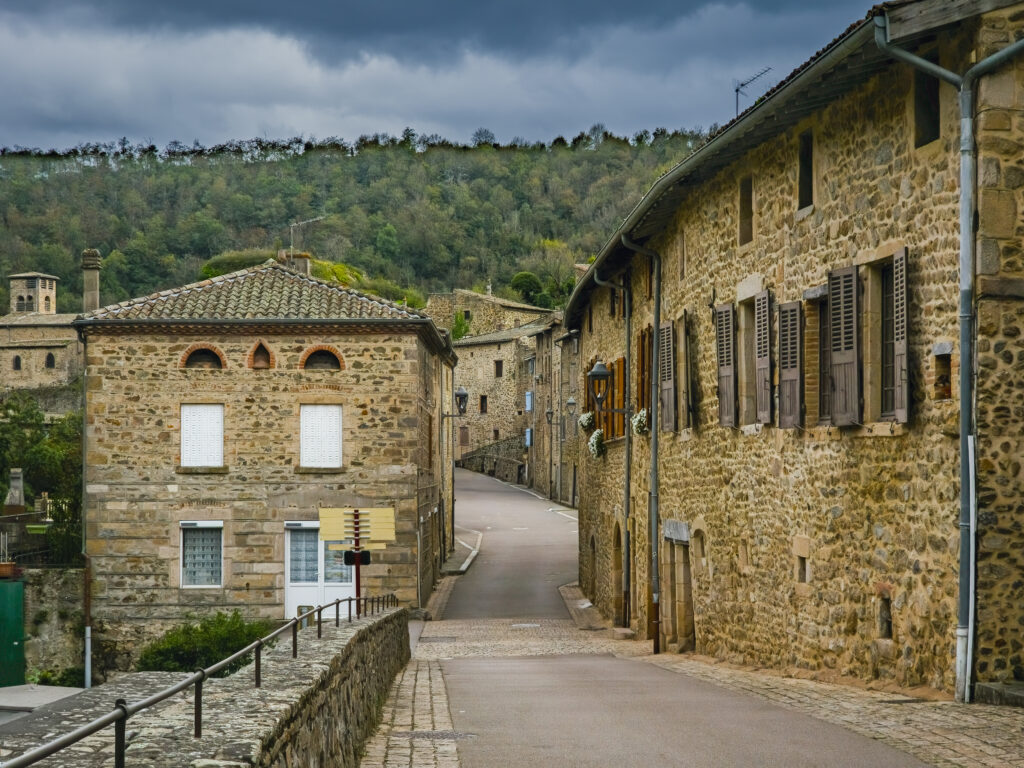
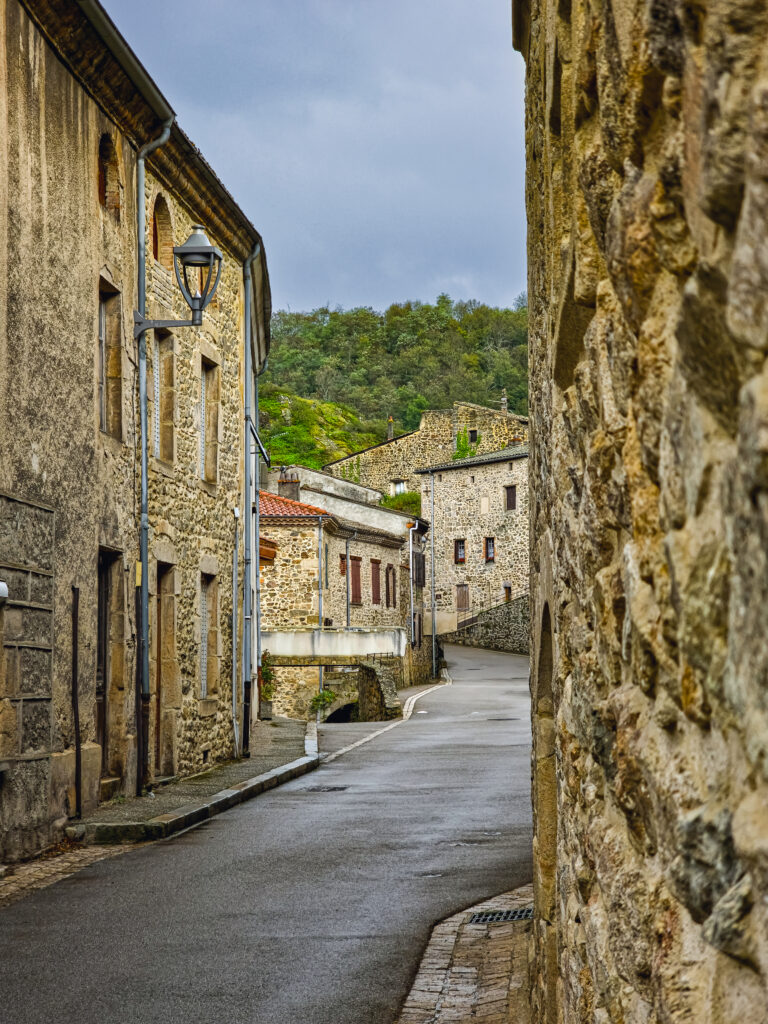
The moment I stepped between the first stone houses, all the exhaustion faded into the background. The narrow streets, stone buildings, and the peaceful silence immediately made me fall in love with the atmosphere of this place. After just a few minutes of walking, I knew the effort had been worth it. The steep climbs, pushing my bike uphill, and the fatigue no longer mattered. From the very first moment, Maleval left a lasting impression on me and quickly became one of the places I remember most fondly.
WHY YOU SHOULD VISIT MALLEVAL
There are places I've visited that were undeniably beautiful, yet an hour later it was hard to remember what made them special. Malleval was completely different. From the very first moments, I felt I had discovered a place with a truly unique atmosphere. What impressed me most was that the village didn't feel like it had been created just for tourists. There were no crowds, no noisy attractions, and no endless rows of souvenir shops. Instead, I found narrow stone streets, historic houses, and a peaceful silence that invited me to slow down and simply enjoy the surroundings.
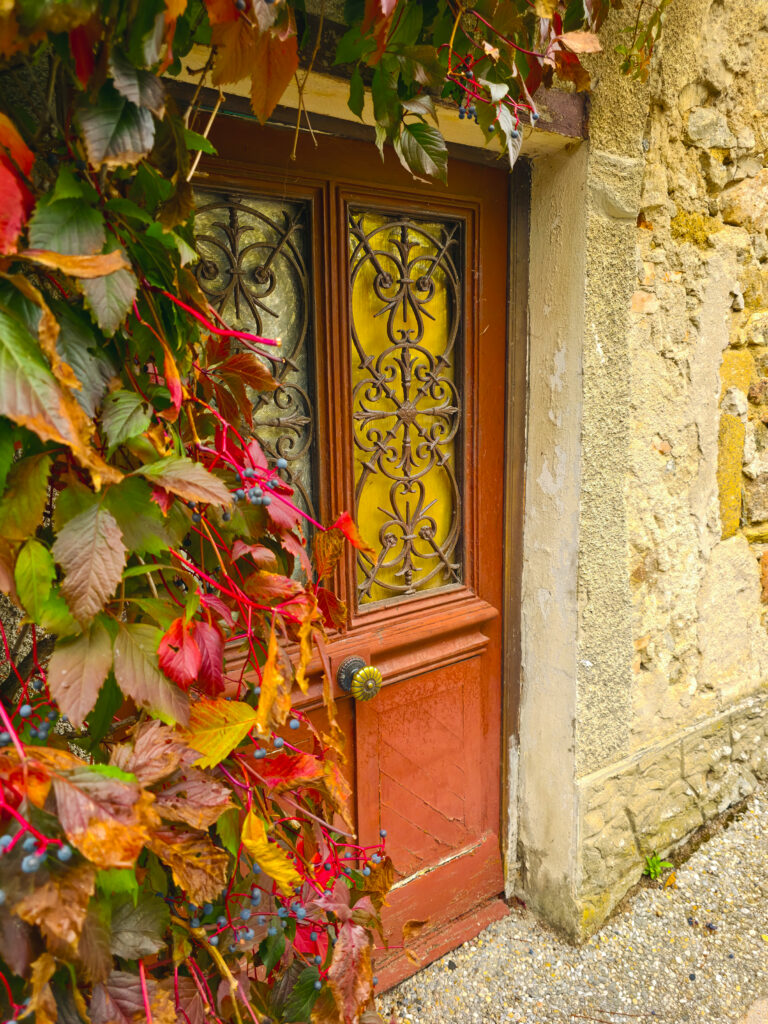
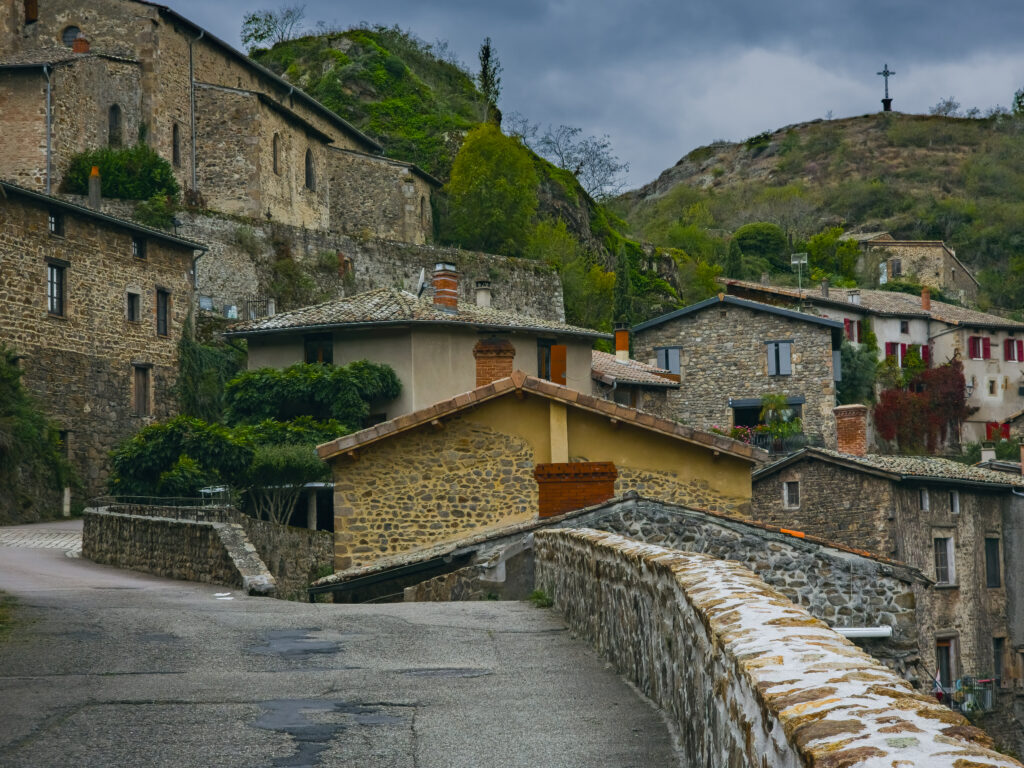
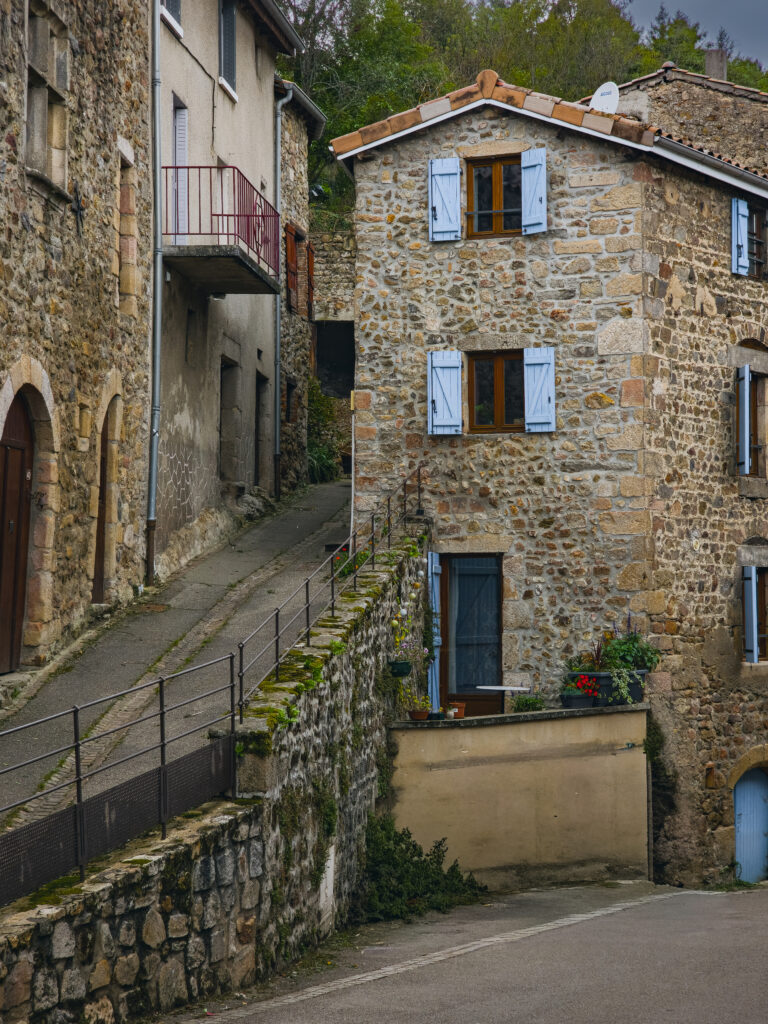
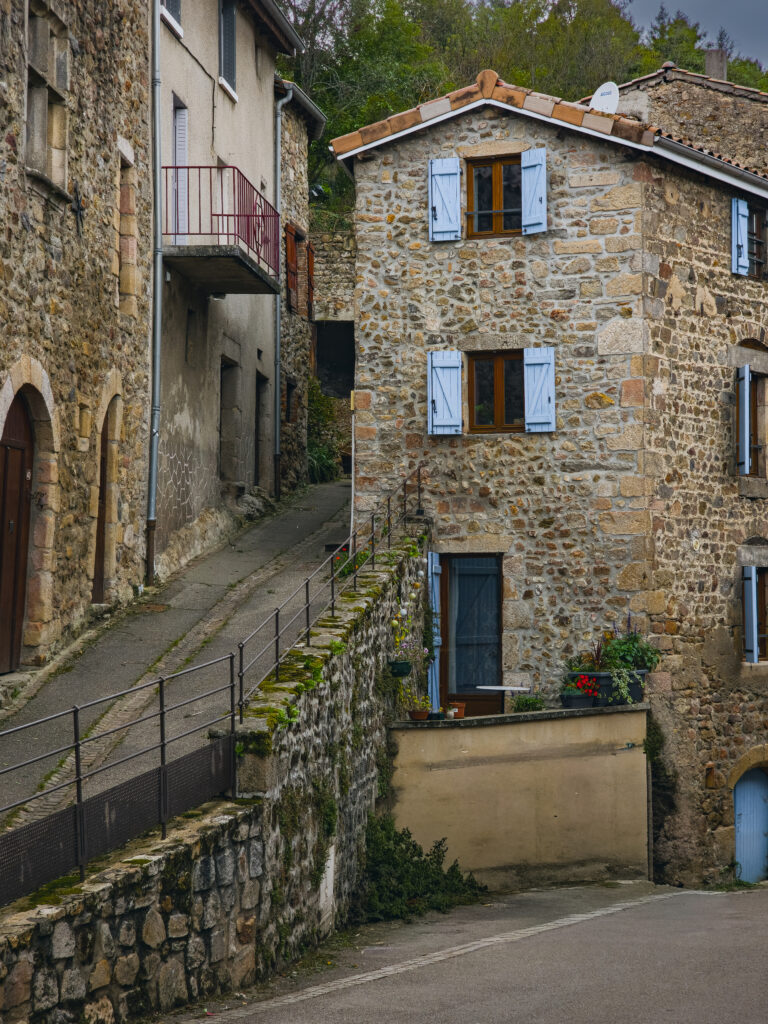
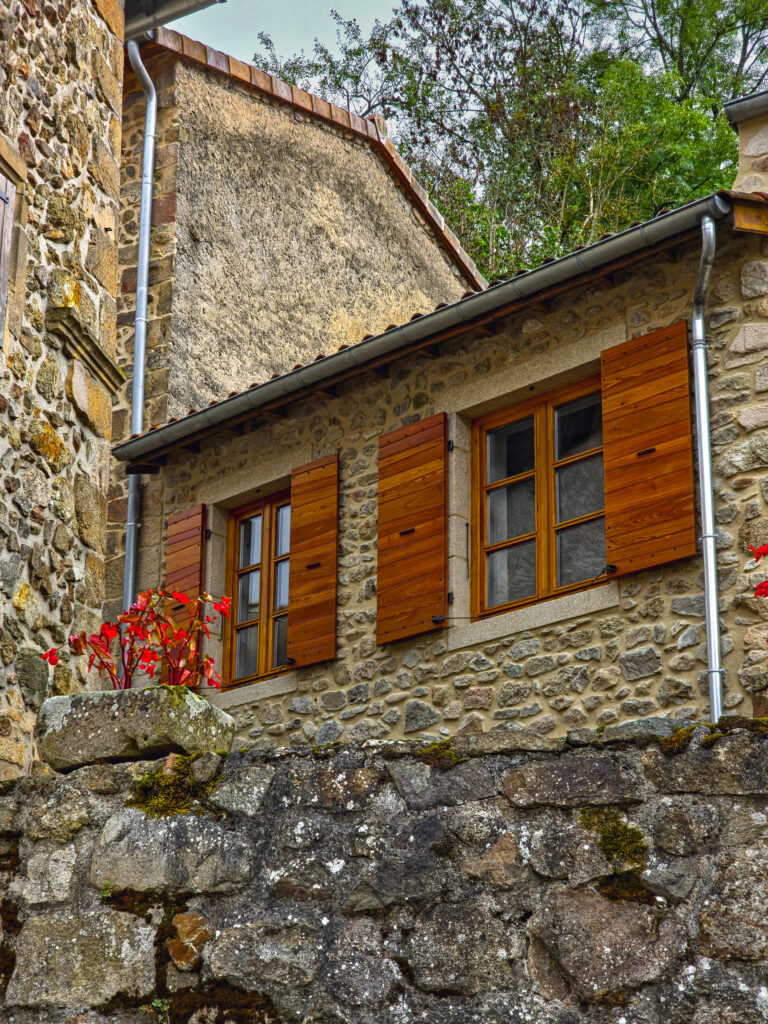
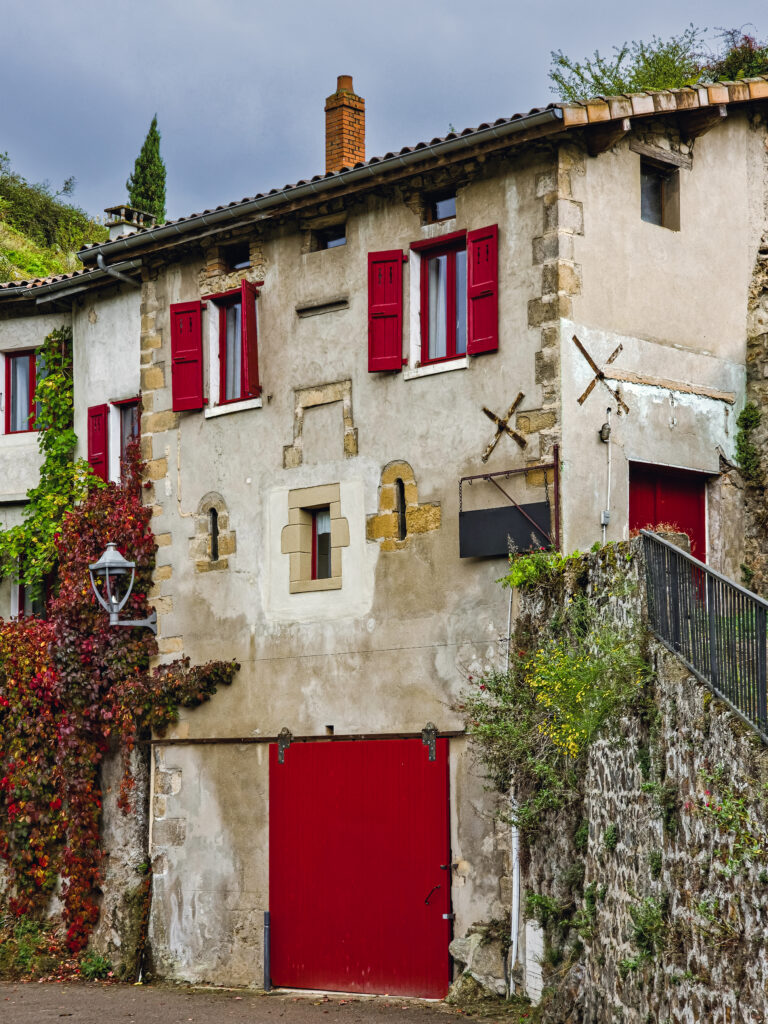
Walking through Maleval, I had the feeling that time moved a little more slowly here. Around every corner, there was another charming detail waiting to be discovered — old wooden doors, stone staircases, colourful shutters, and flowers decorating the façades of the houses. It's exactly these little details that make me love discovering lesser-known places. If you enjoy authentic destinations with character and don't mind putting in a little effort to reach them, Maleval certainly won't disappoint you. For me, it was one of those unexpected discoveries that happened purely by chance but stayed in my memory for a very long time.
WHAT TO SEE IN MALLEVAL
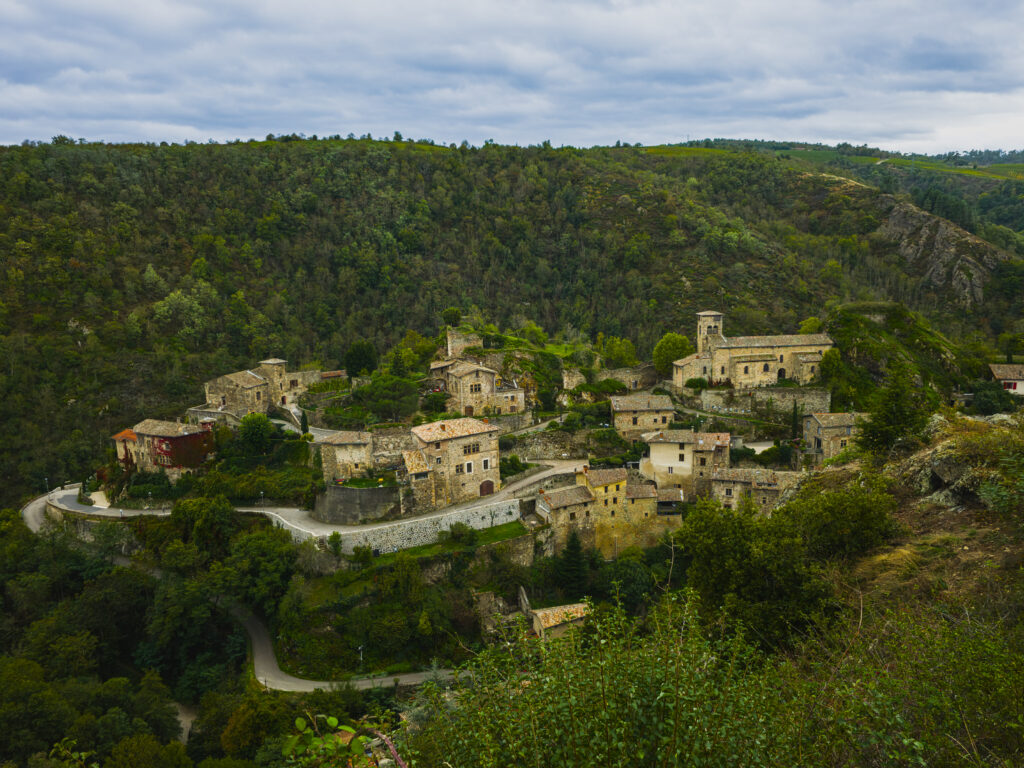
Malleval isn't a large village, and that's exactly what I liked most about it. You don't need to spend an entire day exploring it or follow a carefully planned itinerary. Around two hours of leisurely walking is enough to discover almost every corner of this small medieval village.
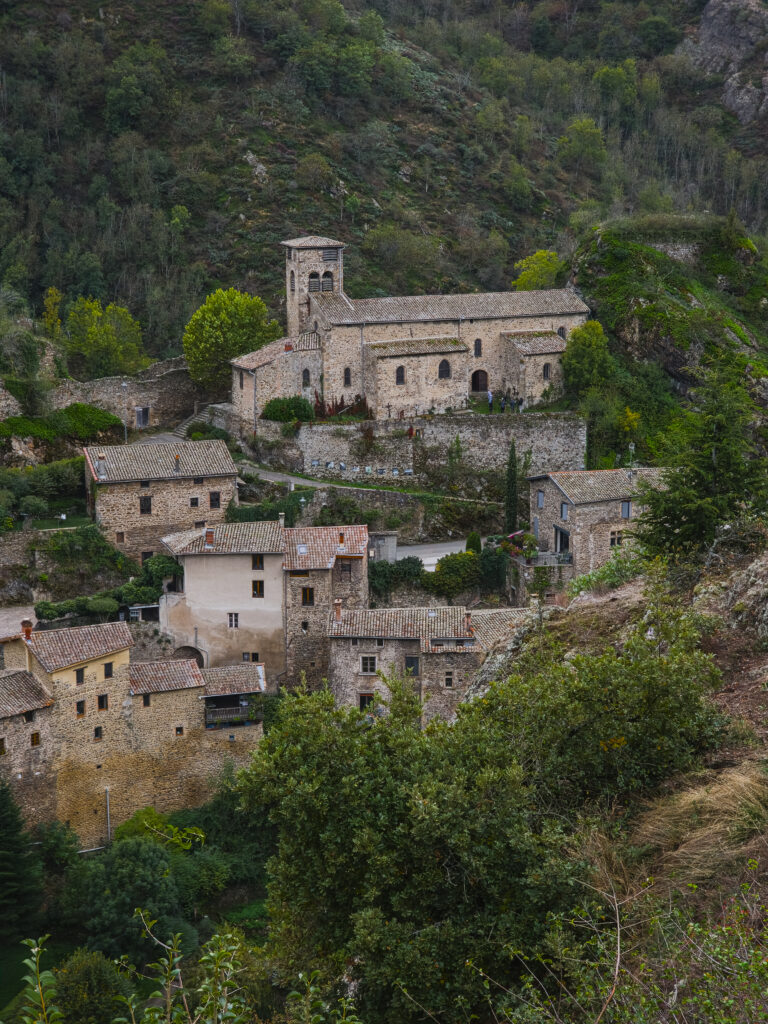
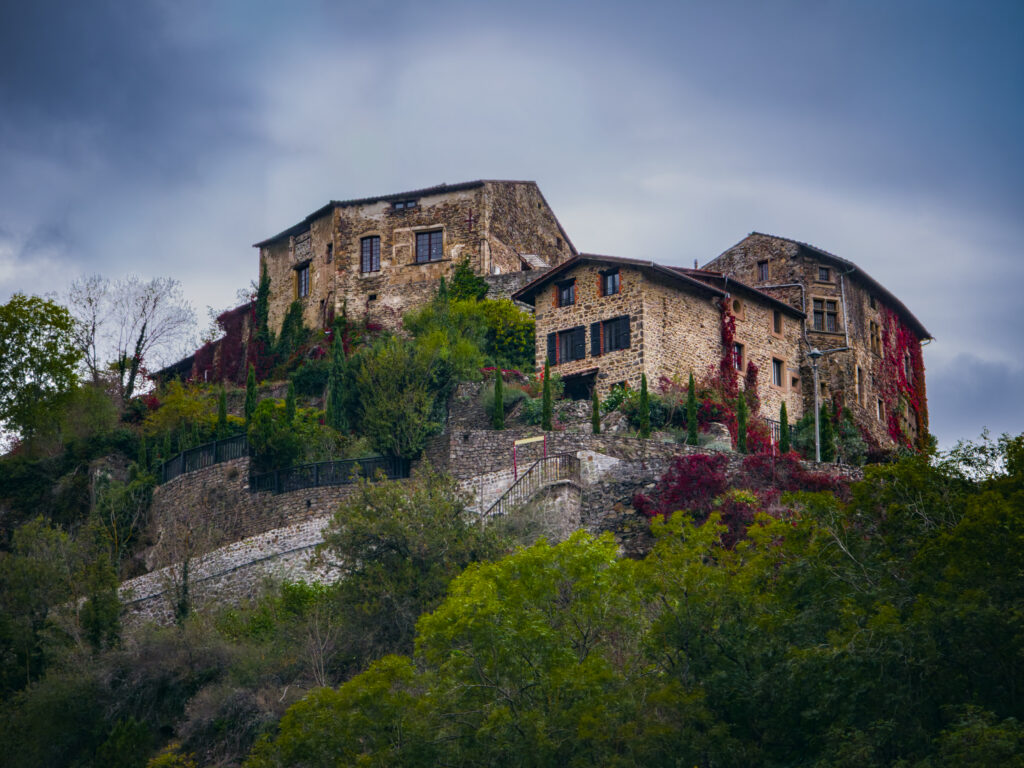
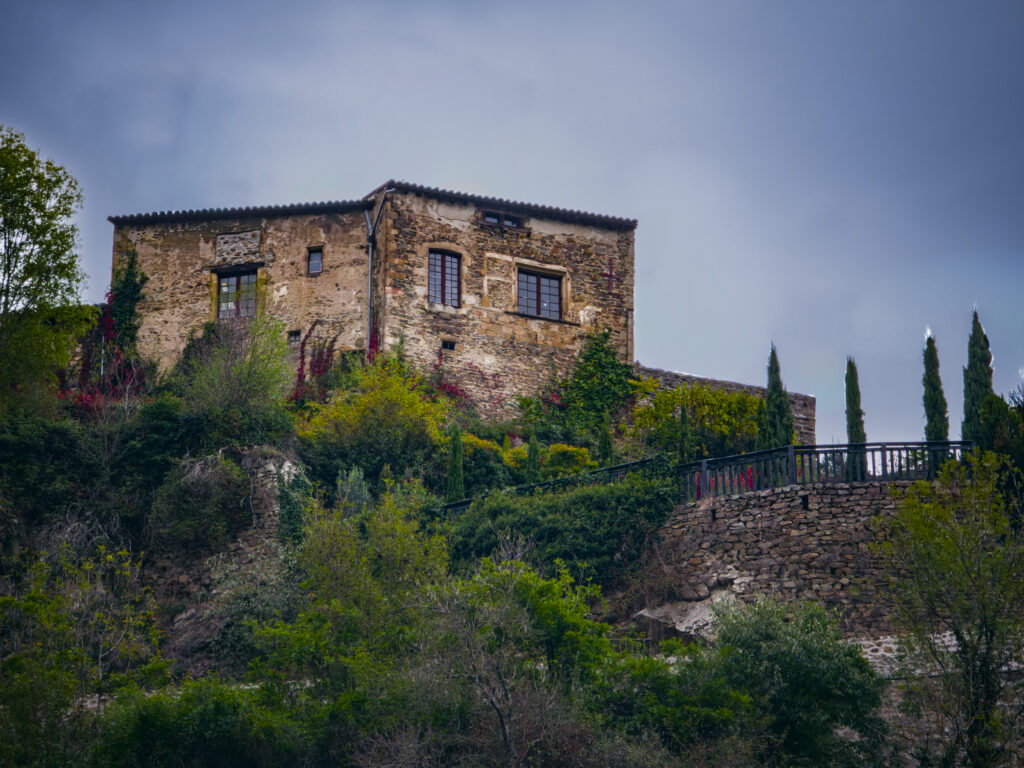
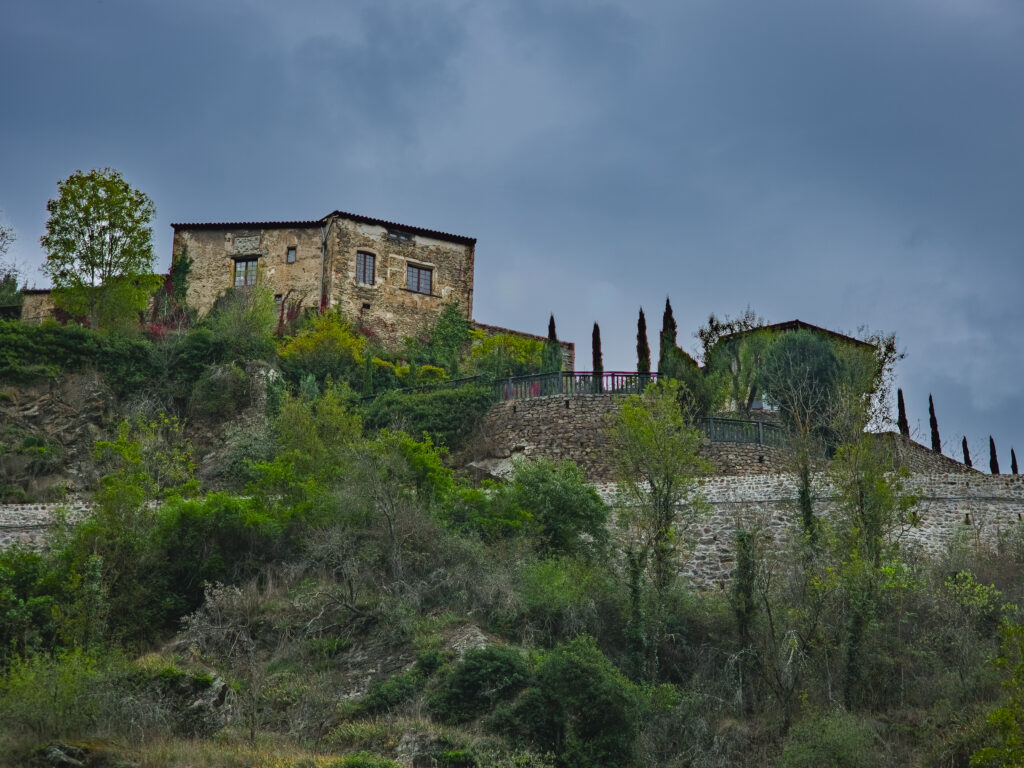
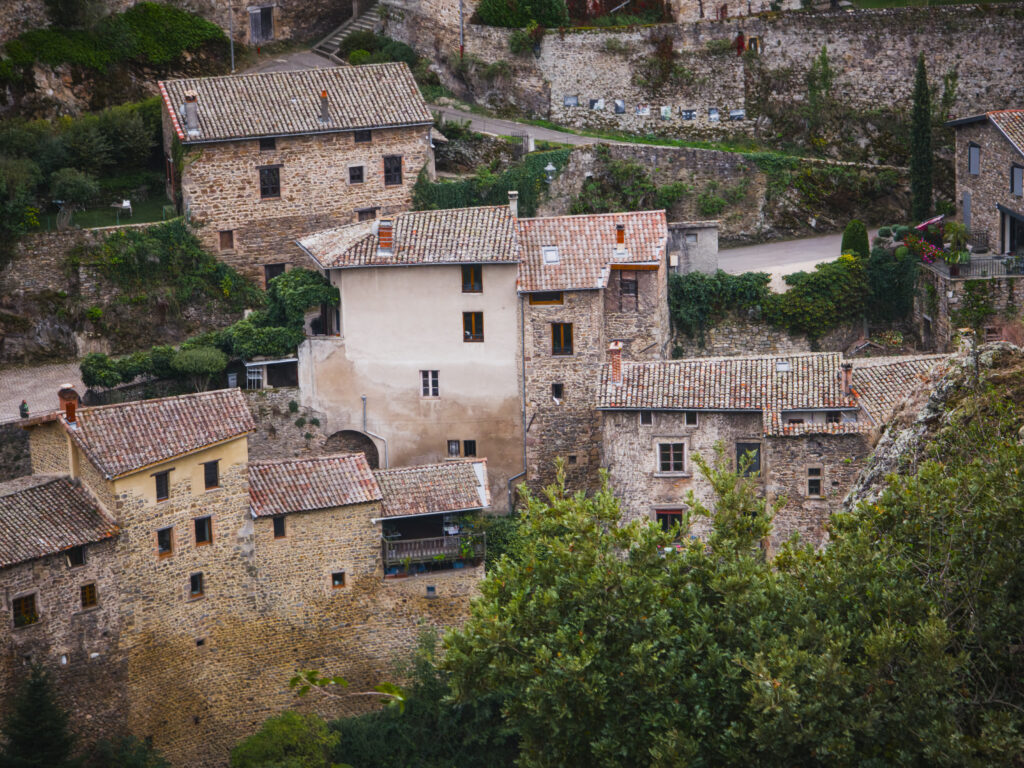
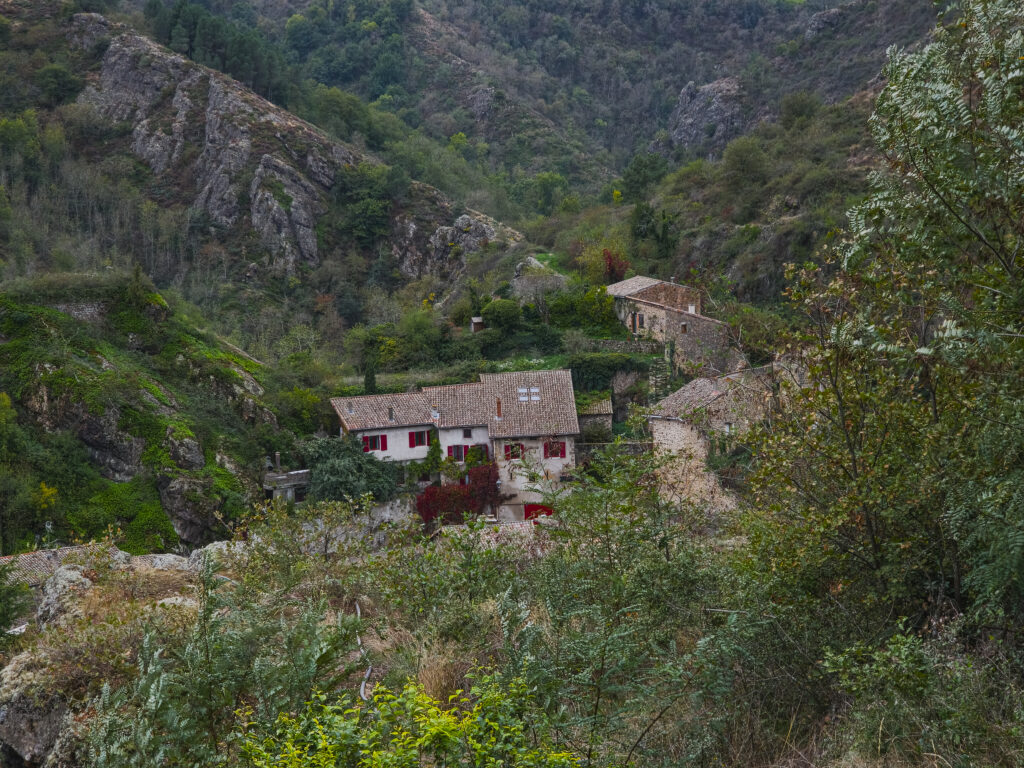
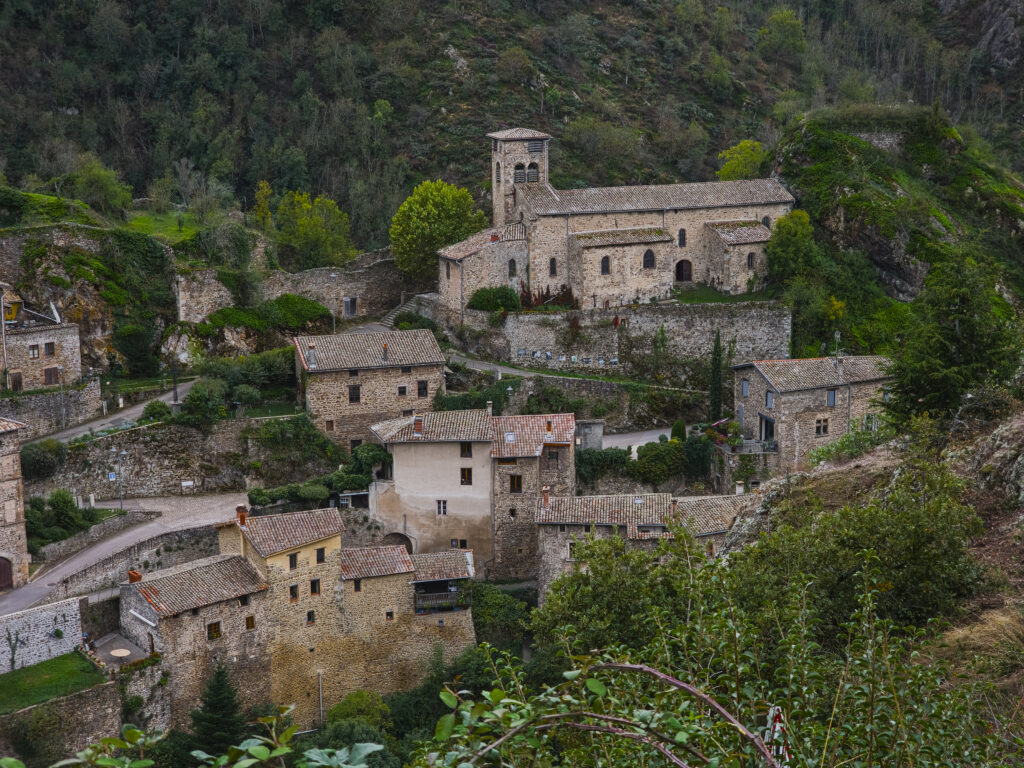
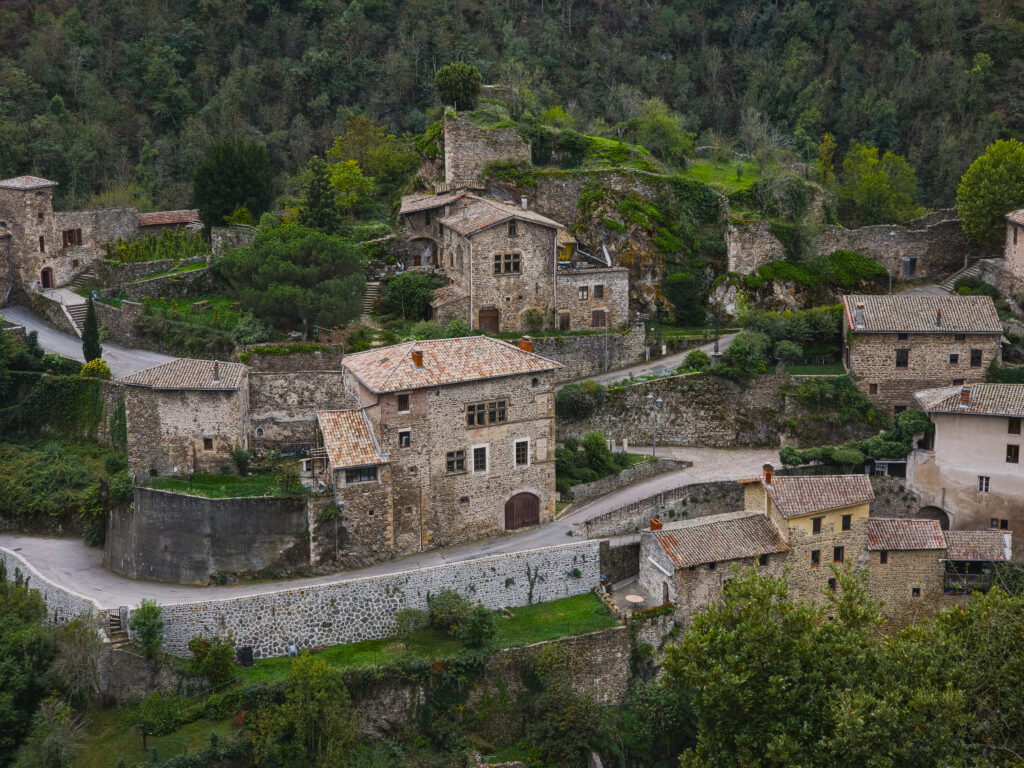
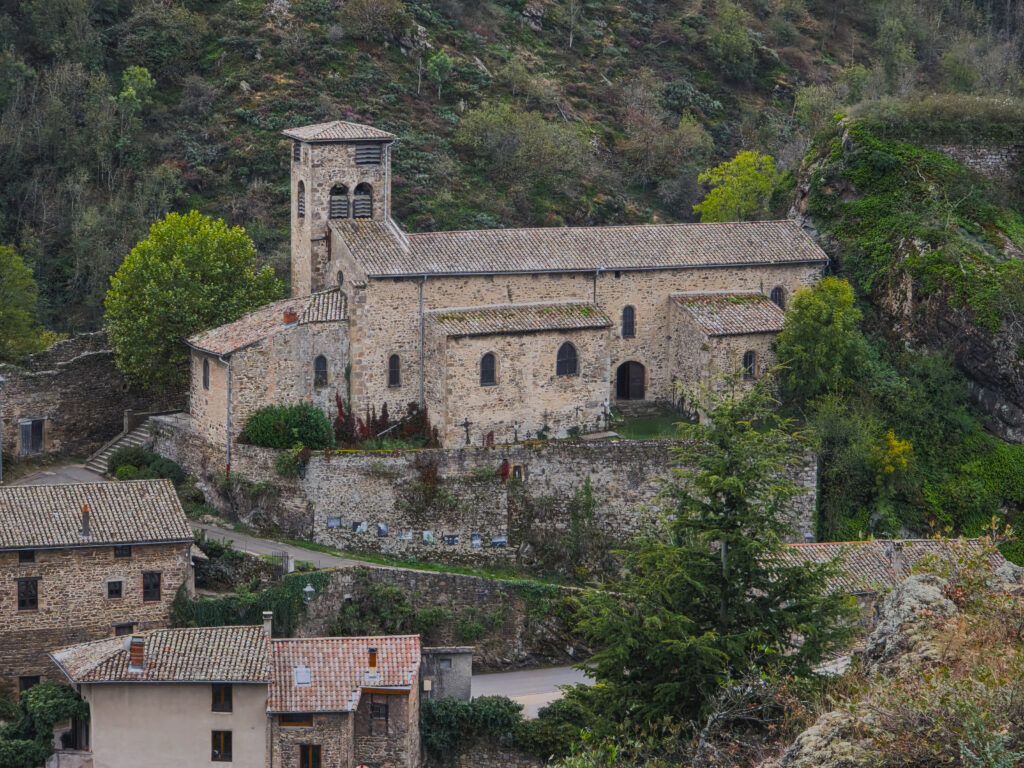
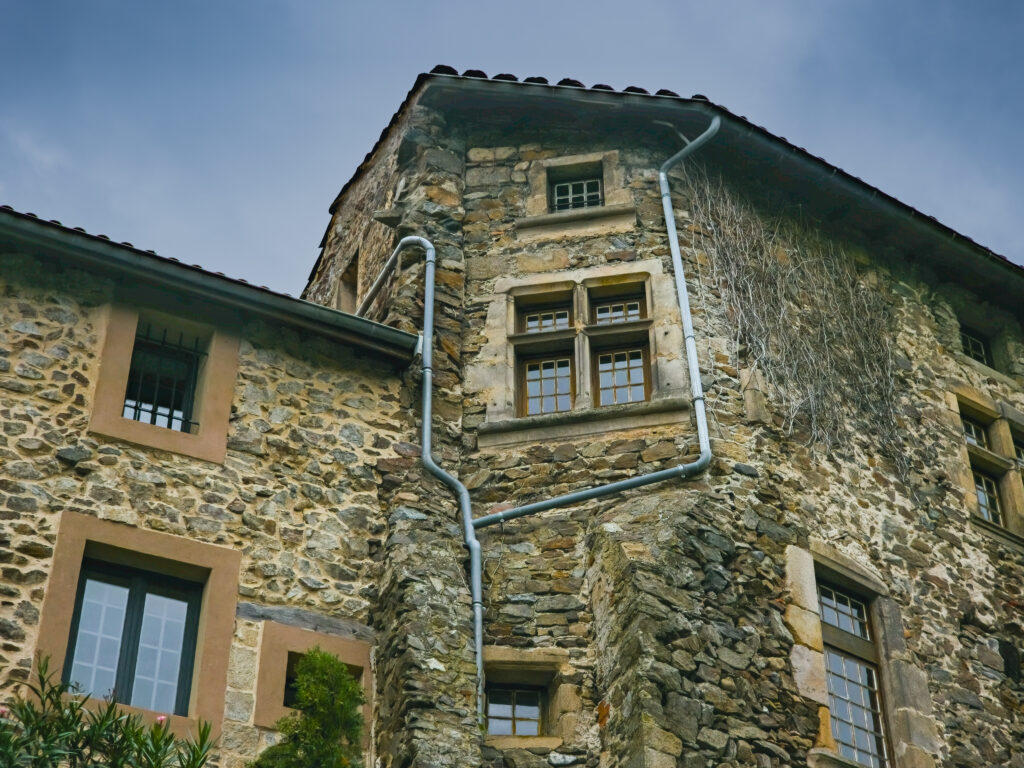
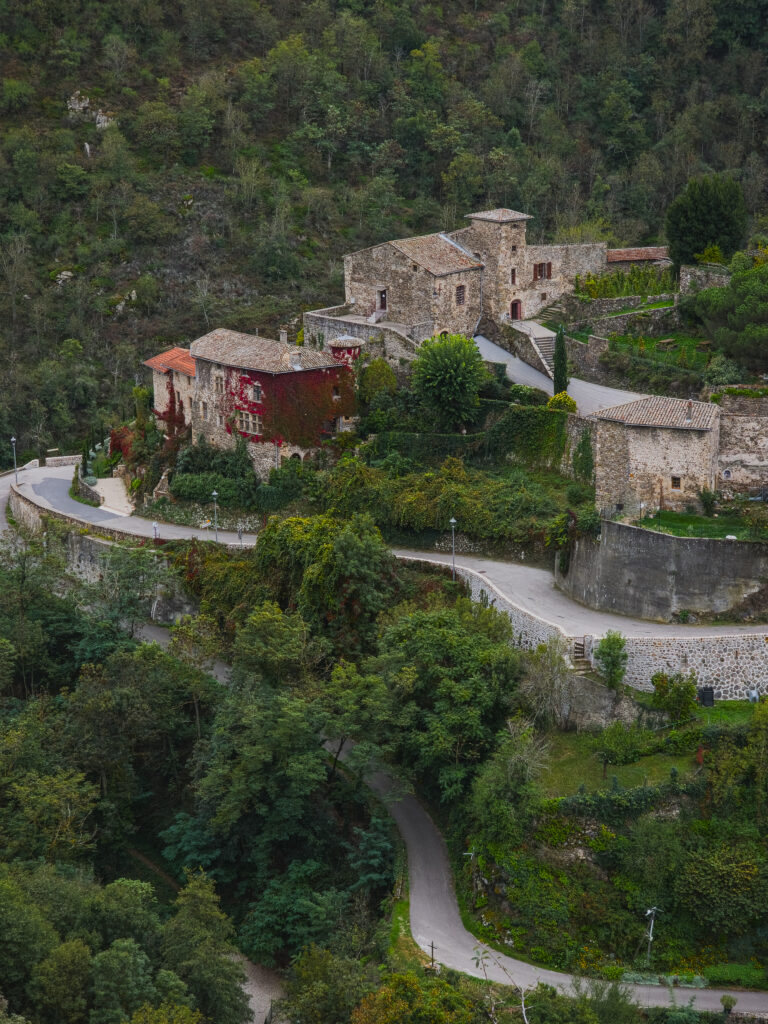
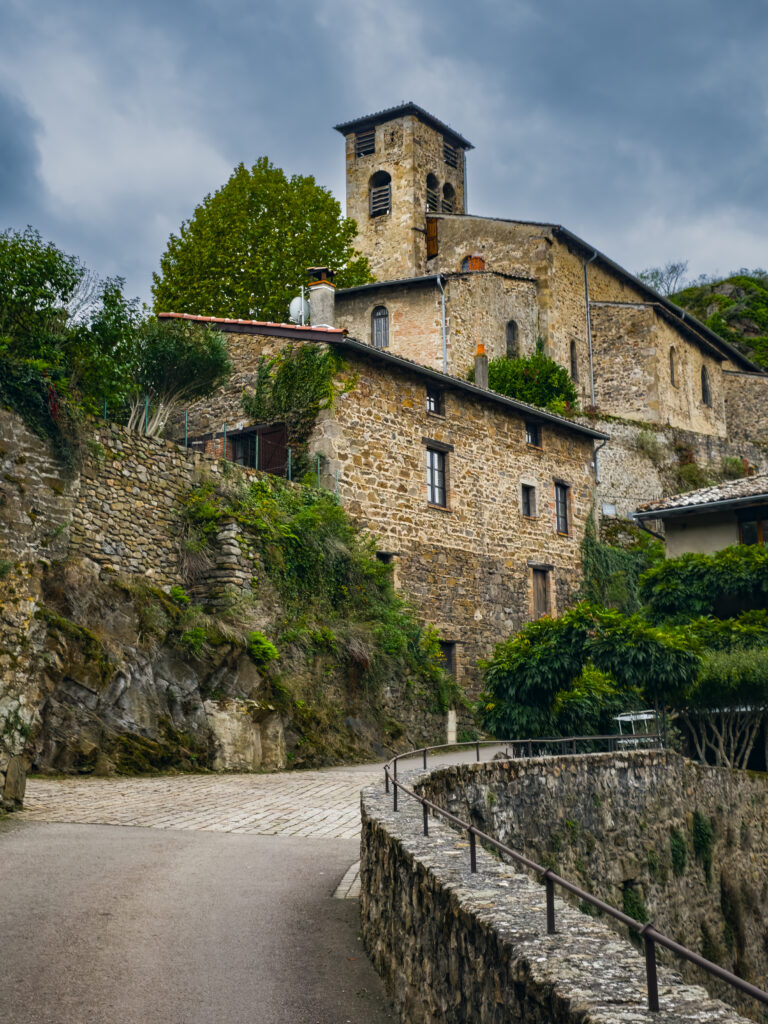
The greatest impression on me was the remarkable harmony of the entire town. Almost all of the buildings were constructed from the same type of stone, giving the village a beautifully cohesive appearance. It's worth paying attention not only to the main street but also to the narrow side alleys, where you'll find beautiful wooden doors, old window frames, and stone staircases. As you wander through the village, it's impossible to miss the Maison de la Prévôté a distinctive half-timbered building that is one of the most valuable historic landmarks in Malleville. Nearby, you'll also find the Grenier à Sel, the former salt storehouse, which is a reminder of the time when trade played an important role here. If you continue a little higher up the hill, you'll pass the remains of the old castle, and from the viewpoint you'll be rewarded with a panoramic view of the entire village and the surrounding vineyards. It's from this perspective that you can truly appreciate how harmonious the architecture is and how perfectly it blends into the surrounding landscape. Maison de la Prévôté - a distinctive half-timbered building that is one of Malleval's most valuable historic landmarks. Nearby, you'll also find Grenier à Selformer salt storehouse, reminding visitors of the time when trade played an important role here. If you decide to walk a little higher, you'll pass the remains of the old castle on your way castleand from the viewpoint, you'll be able to enjoy a panoramic view of the entire village and the surrounding vineyards. It's only from this perspective that you can truly appreciate how harmonious the architecture is and how perfectly it blends into the surrounding landscape.
As a hobby photographer, I always pay close attention to light, textures, and small details. On the day of my visit, the sky was completely overcast, so I couldn't count on dramatic sun rays or the golden hour. Surprisingly, I didn't mind at all. The soft, diffused light beautifully emphasized the texture of the stone walls, weathered wood, old shutters, and historic doors. It allowed me to focus on details that often disappear in harsh sunlight.
A BRIEF HISTORY OF MALLEVAL
Although today Malleval is home to only around 500 residents, its history dates back to the 12th century. It was then that a small settlement began to develop on the hillside, and its location was no coincidence. An important route connecting the Rhône Valley with the Pilat mountain range passed through the area, allowing the village to gradually gain importance as both a trading center and a defensive stronghold. A turning point in Malleval's history came in 1336, when the settlement became the seat of a bailiwick. This decision attracted officials, merchants, and craftsmen, and the growing village was soon enclosed by
Malleval experienced its greatest period of prosperity between the 13th and 16th centuries. Much of the architecture that can still be seen today was built during this time, while the local economy relied mainly on viticulture, fruit growing, and traditional crafts. The surrounding vineyards, which remain one of the defining features of the landscape, are a reminder of the region's centuries-old winemaking tradition. The village's history was not always peaceful, however. During the 16th century, the French Wars of Religion reached Malleval as well. Part of the village was destroyed, but it was gradually rebuilt, preserving its medieval layout and unique character.
Today, Malleval is best known for its remarkably well-preserved historic architecture and its prestigious vineyards. It is one of those places where history has not been confined to a museum but remains alive in the streets, buildings, and surrounding landscape. I believe that this is exactly what continues to captivate both history enthusiasts and travellers searching for authentic, lesser-known corners of France.
FROM A TRUCK DRIVER'S PERSPECTIVE
If you're delivering or collecting a load at the glass factory in Salaise-sur-Sanne, Malleval is a great option for spending your break actively. I left my truck at the factory, and the village was about 8 kilometres away. It's an ideal distance for a relaxing bike ride. During my stop, I had no issues leaving my truck at the factory. Drivers delivering to or collecting from the glass factory also have access to facilities, including toilets and showers, making it a convenient place for a longer stop.
Personally, I couldn't find a convenient public transport connection between the glass factory and Malleval. If you don't have a car with you, a bicycle is definitely the best way to get there. Of course, if you don't mind a longer walk, the route can also be completed on foot. Although the village is situated on a hillside, the road leading to it is fully paved, making it easily accessible by both car and bicycle.
WAS IT WORTH VISITING MALLEVAL?
Absolutely. Malleval turned out to be a place that wasn't part of my original plans, yet it became one of the most memorable experiences of this trip—and not only this one. I truly believe it's one of the most fascinating places I've ever visited. These unexpected discoveries are the ones I enjoy the most. No crowds, no rush, and no pressure to tick off another tourist attraction. It only took a few hours to realize that even a small village can leave a lasting impression with its history, architecture, and peaceful atmosphere.
Unfortunately, it started raining on my way back, and the last few kilometres on the bike were far from enjoyable. It was probably then that I caught the sinus infection that bothered me for quite some time afterward. Even so, I didn't regret this trip for a single moment. On the contrary—it only reinforced my belief that it's sometimes worth leaving the beaten path and giving a chance to places that most people have never even heard of.
GALLERY



Join the conversation