

AT A GLANCE
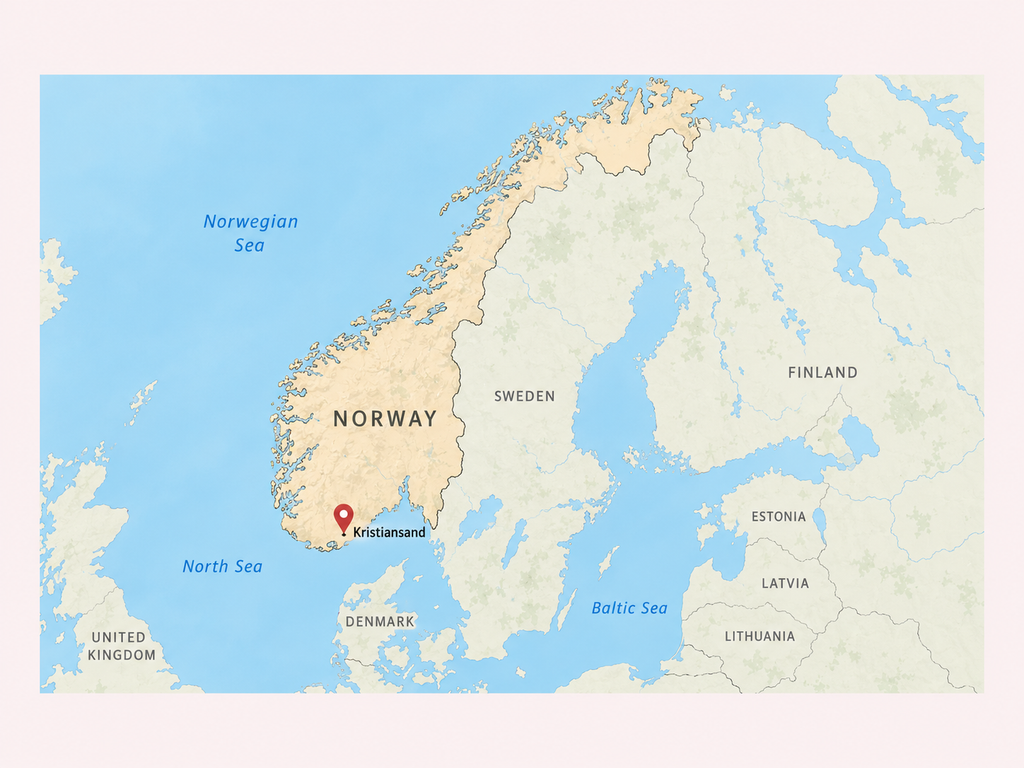
Location Kristiansand, Norway
Region Agder
City character: a port city with a holiday atmosphere
Sightseeing time: 6-8 hours
Best for: city walks, coastal views and exploring Odderøya
Official website: visitsorlandet.com
My Rating: 7/10
WHERE NORWAY SMELLS LIKE SUMMER
My journey to Norway began with a little confusion over my ferry crossing. I had originally booked the ferry for Monday, even though I was due to unload on Tuesday morning. Fortunately, I managed to change my reservation to Saturday. This gave me an entire weekend, which I decided to spend exploring KRISTIANSAND, a city on Norway's southern coast.
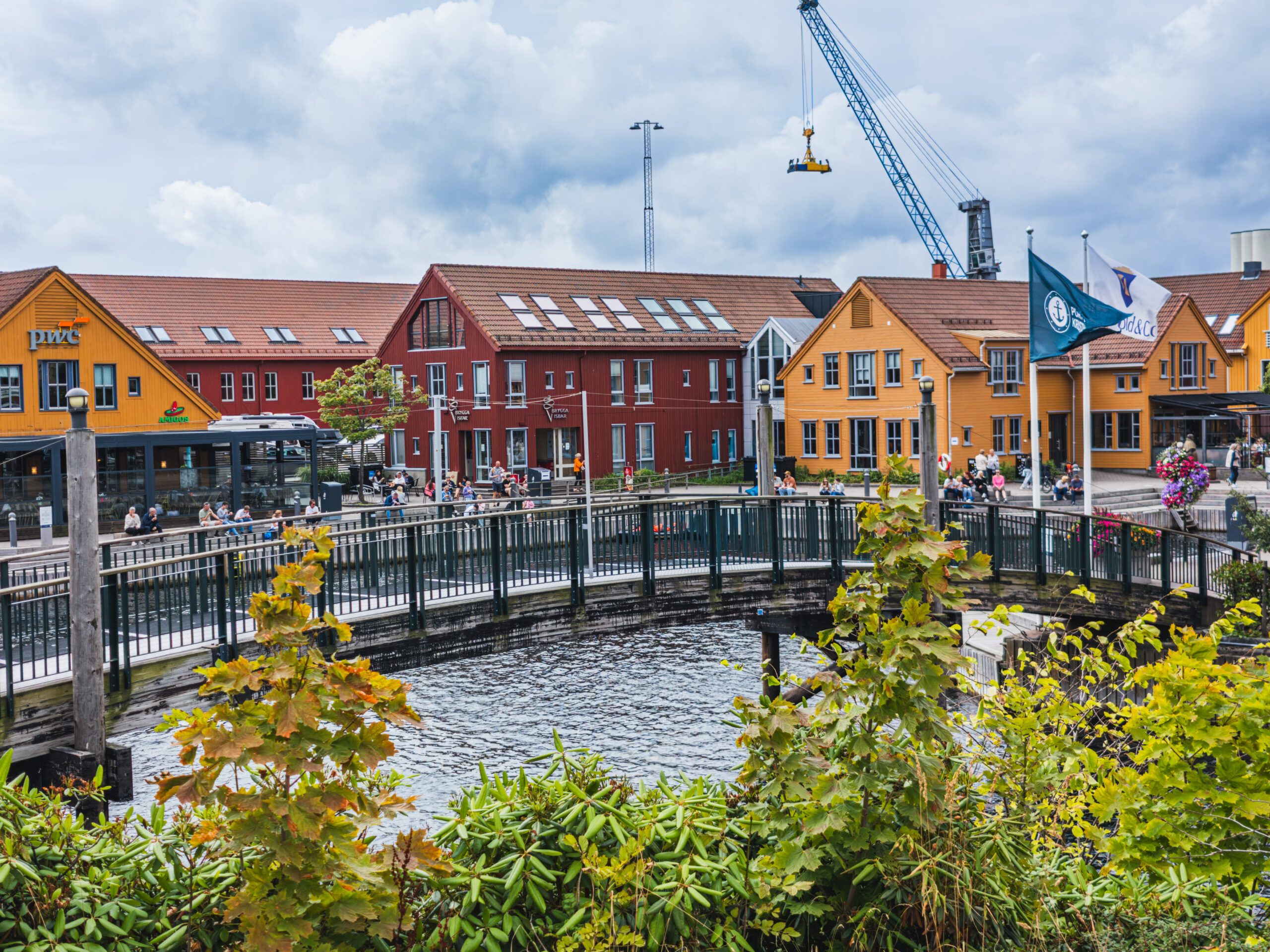
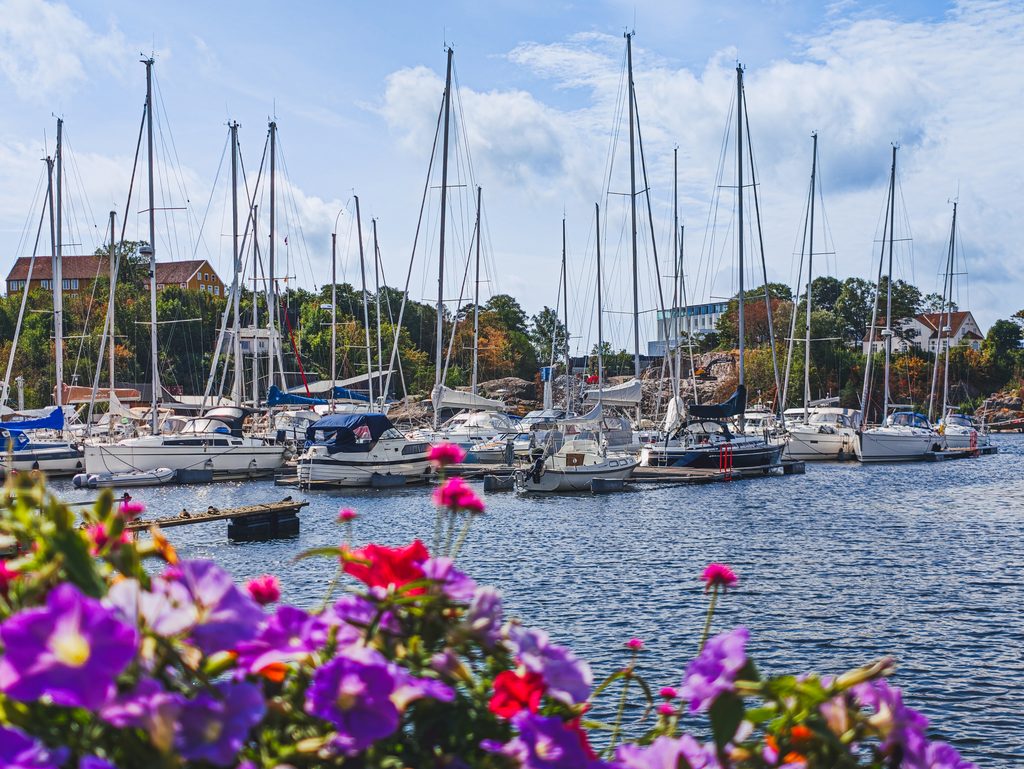
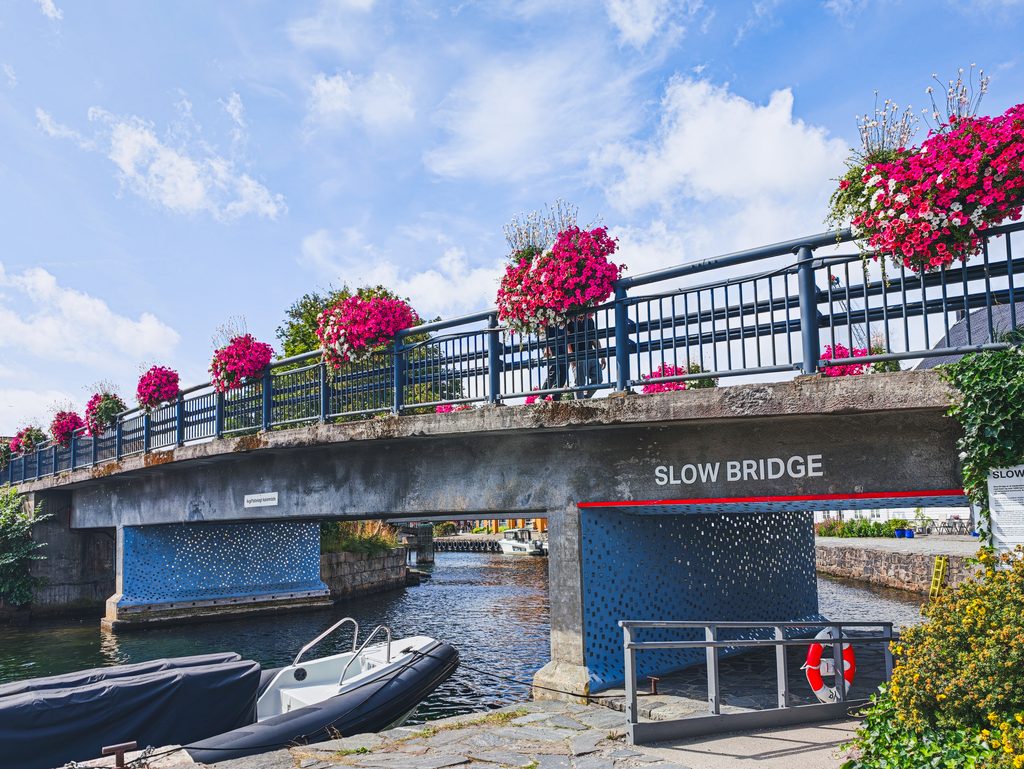
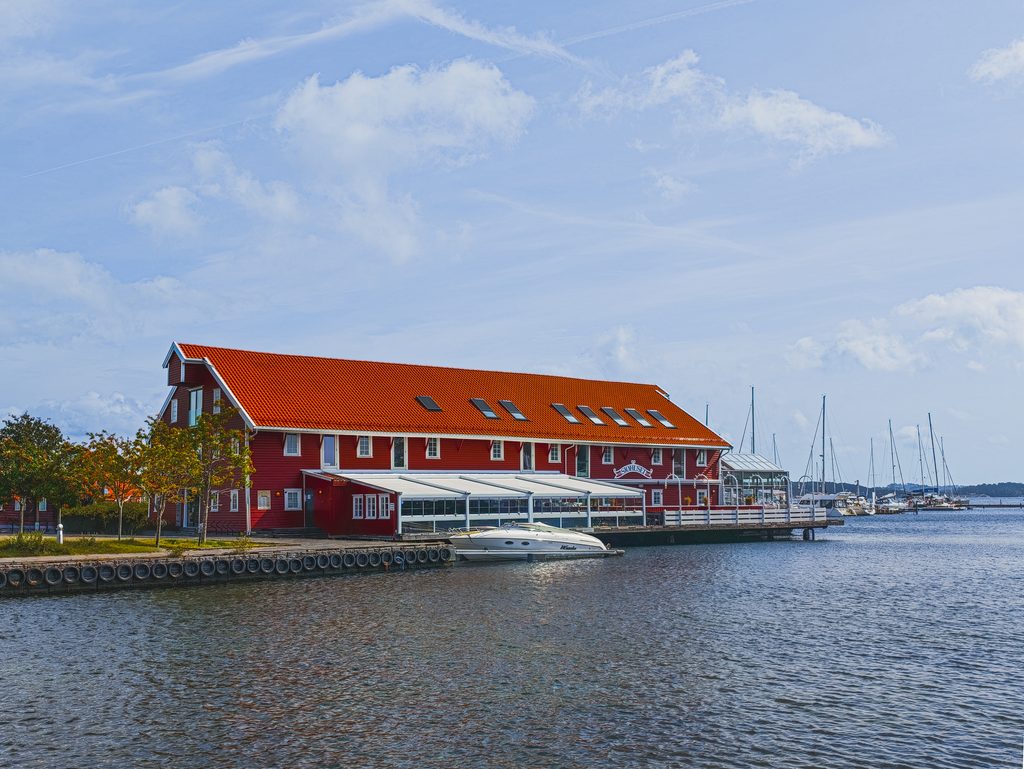
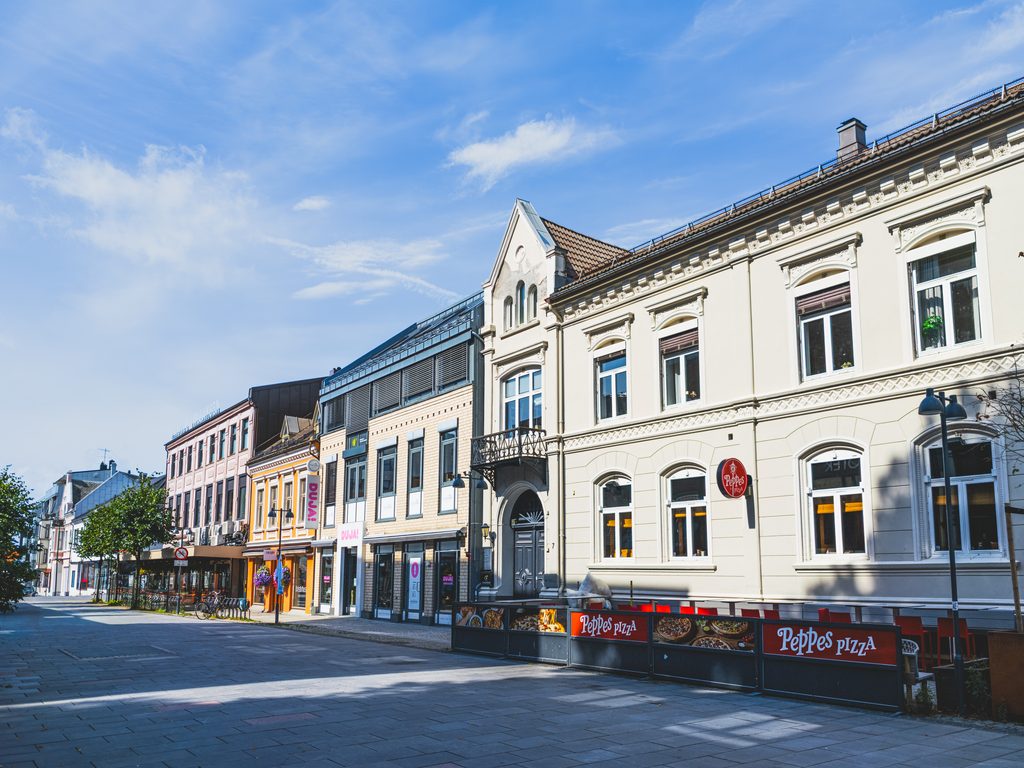
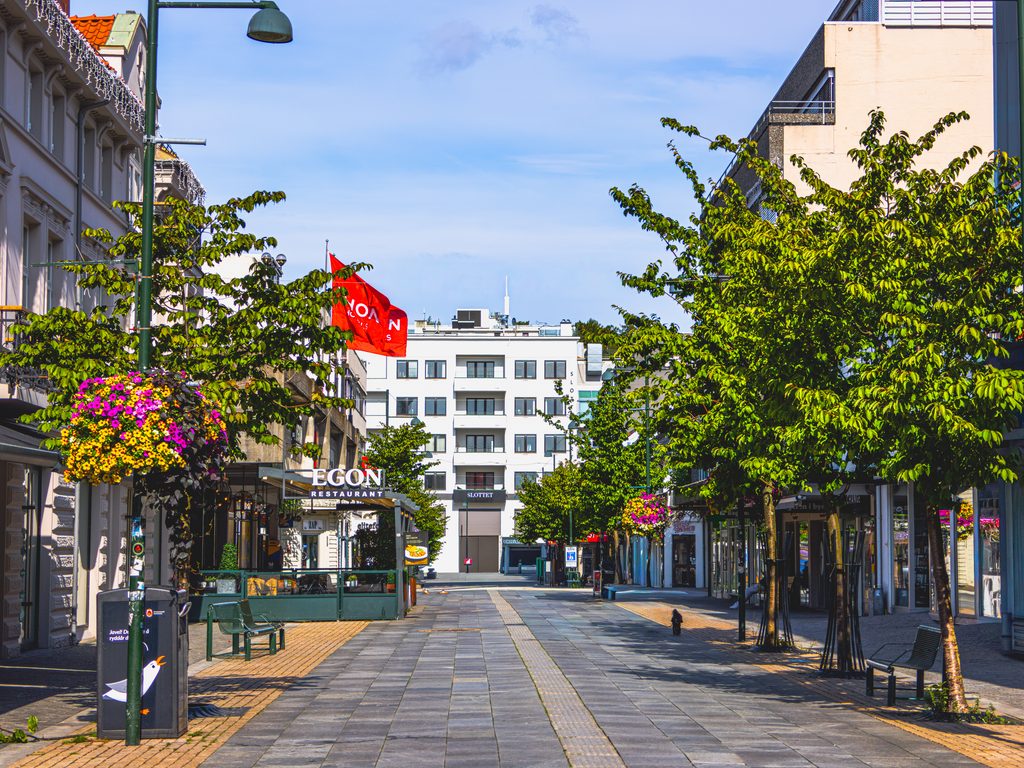
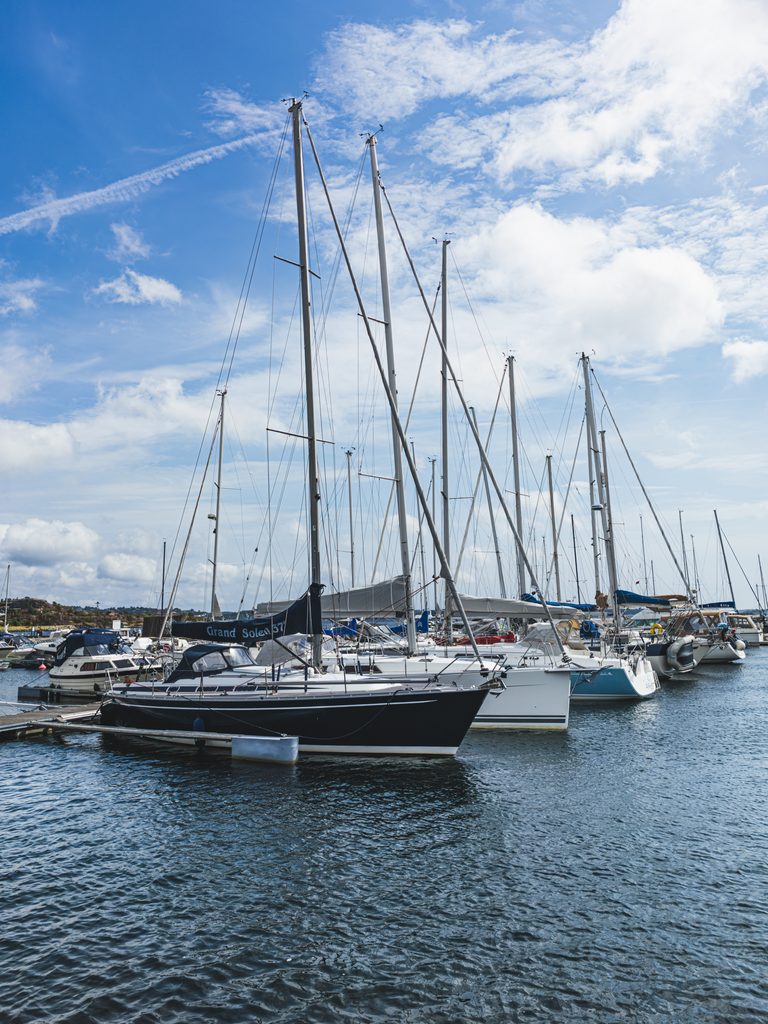
After parking my truck, I certainly wasn't planning to spend my free time in the cab. The city centre was about 2.5 kilometres away, so I grabbed my bicycle and headed off to explore. Kristiansand made a very positive impression on me from the very beginning. The abundance of flowers, colourful buildings, well-kept streets and a harbour full of sailing boats sometimes made it hard to believe I was in Norway, a country I had previously associated mainly with rugged landscapes and fjords.
I also quickly discovered that Kristiansand is a particularly pleasant city to explore by bicycle. The short distances between attractions allowed me to discover different corners of the city at my own pace, and whenever something caught my attention, I could simply stop and take a few photos. That's how an unplanned weekend turned into a thoroughly enjoyable city trip to a place that is known, with good reason, as Norway's summer capital.
WHY YOU SHOULD VISIT KRISTIANSAND?
What I liked most about KRISTIANSAND was that it's a city you can explore without much planning. I didn't have a prepared list of places to tick off or a detailed itinerary. I simply set off and soon realised that this was actually the best way to discover the city. As I went along, the scenery kept changing. Older buildings blend with modern architecture, historic sites sit alongside the waterfront promenade, and beaches and walking areas can also be found close to the city centre. As a result, you never feel like you're seeing the same thing over and over again. Every part of Kristiansand reveals a slightly different side of the city.
Another important thing is that many of these places can be enjoyed completely free of charge. There's no need to plan your visit around admission tickets or worry about whether another attraction will fit into your budget. You can simply wander around, stop whenever something catches your eye, take photos, sit by the water for a while and then carry on. And I think that freedom was what I enjoyed most. Kristiansand doesn't overwhelm you with a long list of must-see attractions or make you feel like you have to tick off one place after another. Instead, it offers something I probably value most when travelling - the chance to discover a place at your own pace and in your own way.
WHAT IS WORTH SEEING IN KRISTIANSAND?
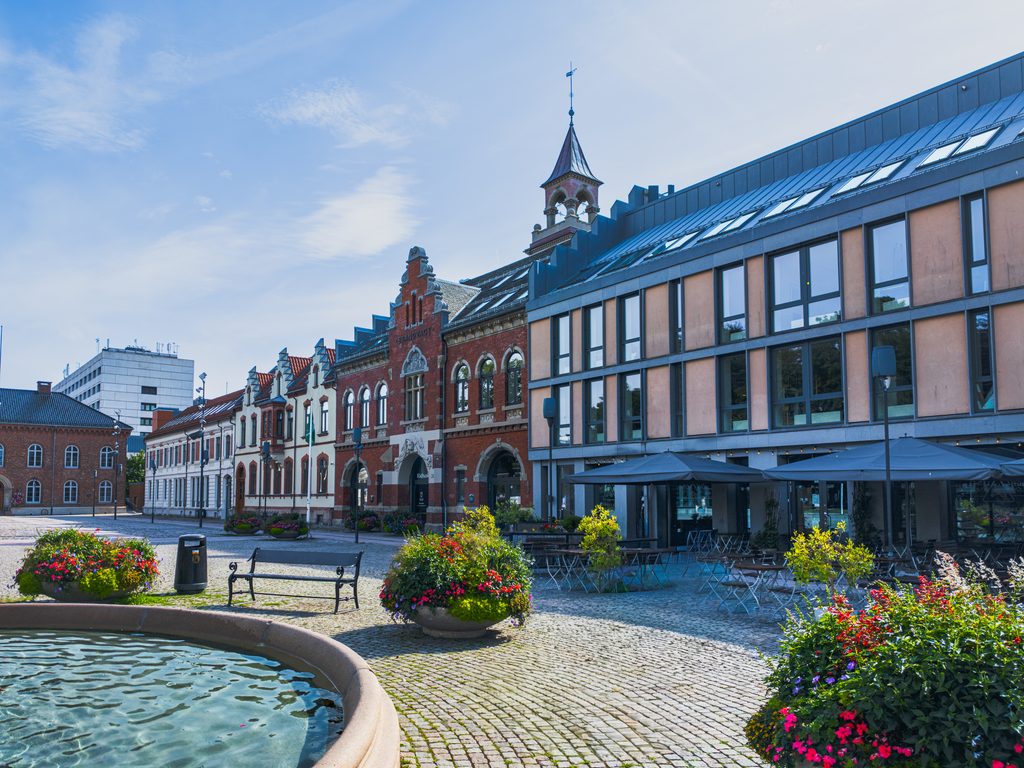
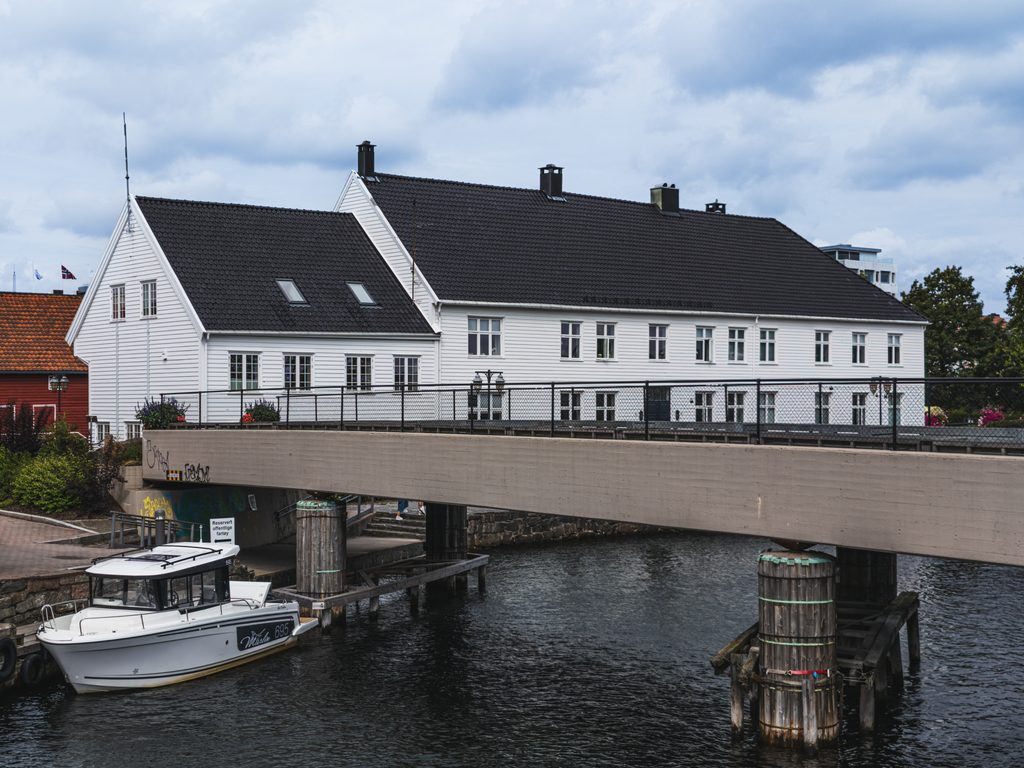
One place you definitely shouldn't miss is POSEBYEN - the oldest surviving part of Kristiansand, filled with white wooden houses and quiet streets. This is where you can get the best idea of what the city looked like before the devastating fires that changed its architecture. Nearby, you'll also find KRISTIANSAND CATHEDRAL, located by the main square, Torvet. The city centre is relatively small, so you can easily visit both places during a single walk.
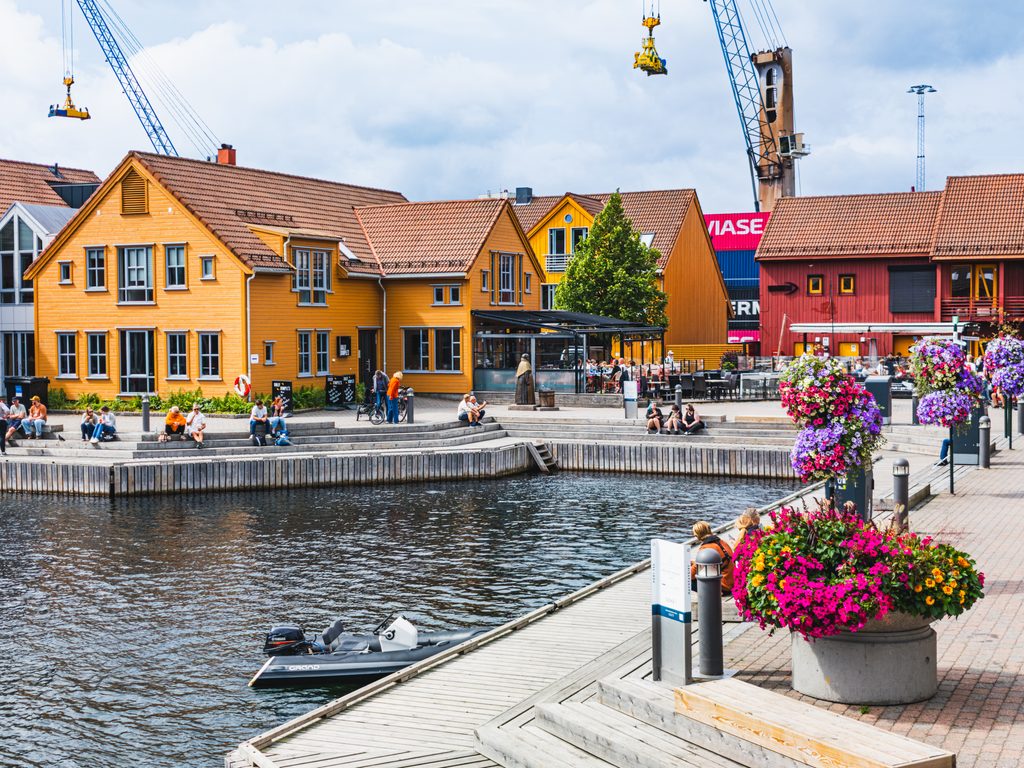
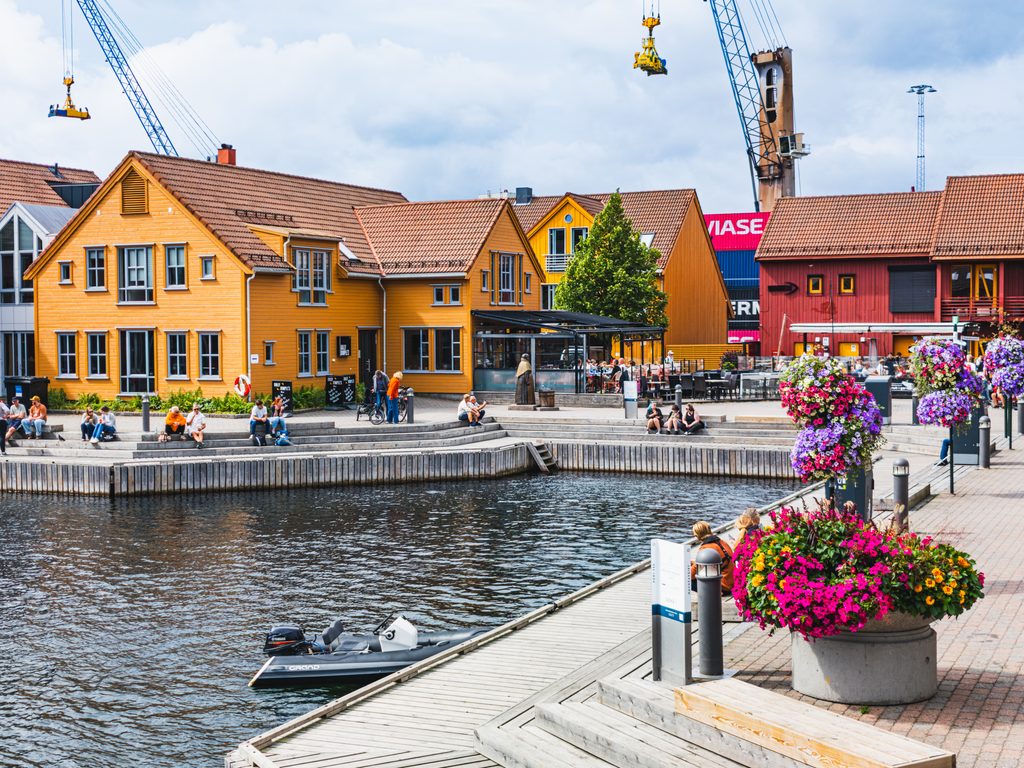
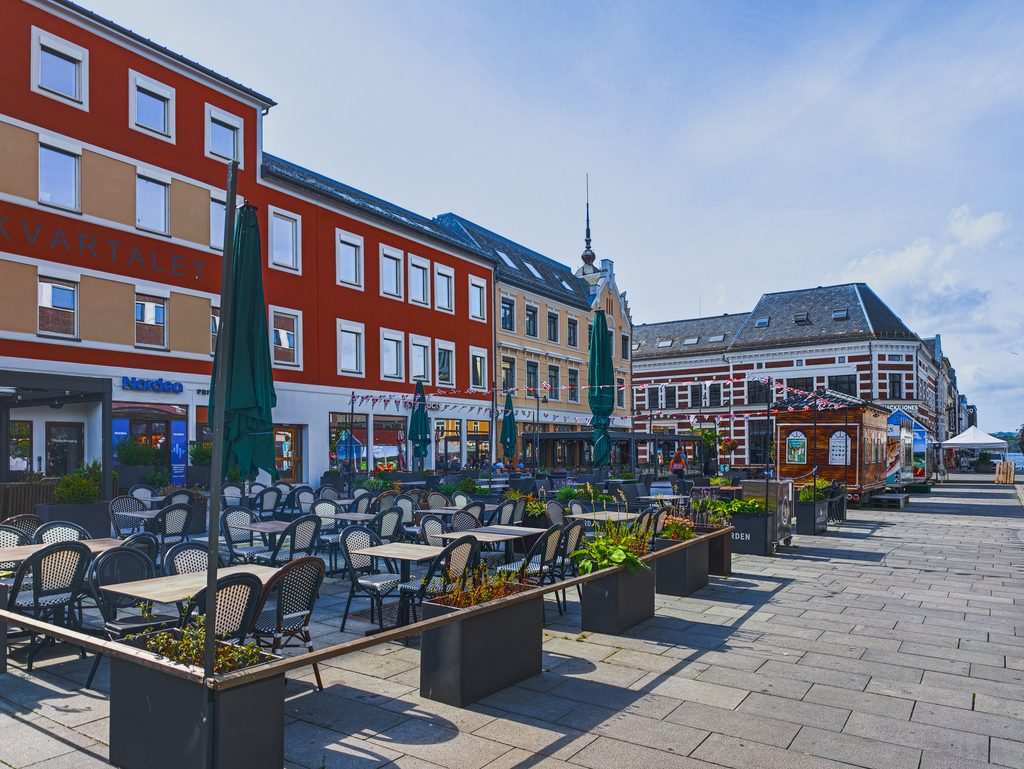
Heading towards the waterfront, it's worth stopping by FISKEBRYGGA. This former harbour area, with its colourful buildings, is now one of the city's most distinctive spots. It's here that you can really feel Kristiansand's coastal atmosphere. I spent quite a bit of time in this area with my camera, as I kept coming across another scene that made me want to stop and take a photo.
Just a few minutes further on is CHRISTIANSHOLM FESTNING, a 17th-century fortress built to defend the harbour. It's one of those places where the city's history seems to reveal itself naturally. But there's no reason to limit your visit to historic landmarks. Kristiansand offers an interesting blend of older buildings and contemporary architecture, with KILDEN - a modern theatre and concert hall, and KUNSTSILO - an art museum housed in a converted grain silo, being excellent examples.
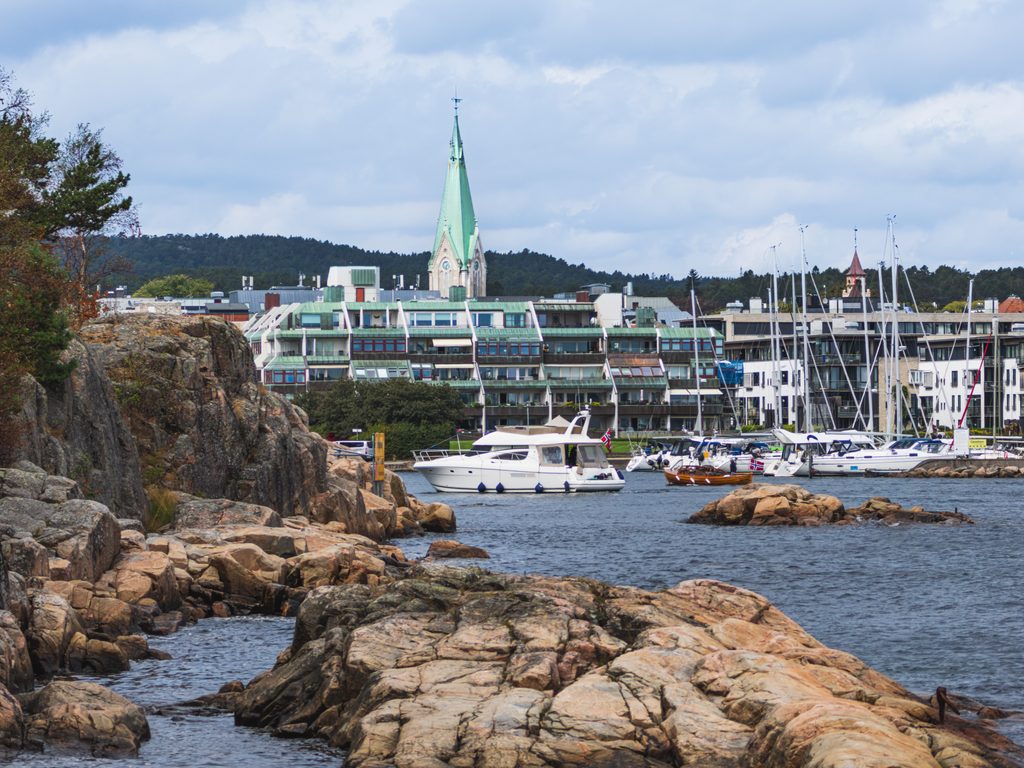
If you feel like taking a break from typical city sightseeing, it's also worth heading towards ODDERØYA. The island served military purposes for many years, but today it's a popular place for walks, with numerous trails, remnants of old fortifications and viewpoints. The area around the lighthouse is particularly interesting, offering views of the rocky coastline, the sea and nearby islands. I spent some time exploring ODDERØYA myself, walking along the coast and stopping frequently to take photos. Unfortunately, I ran out of energy before I could explore the entire island, which I slightly regret, as this was actually my favourite part of Kristiansand. I do hope to return one day and explore all the trails I didn't manage to reach this time.
Not far from the city centre, you'll also find BYSTRANDA, a sandy urban beach that perfectly illustrates why Kristiansand is associated with Norwegian summers. On warmer days, it attracts both locals and tourists who come to relax by the water, go for a swim or simply enjoy the sunshine. A seaside promenade runs along the beach, with recreational areas and restaurants nearby. It's quite an unusual sight for Norway, especially if you mainly associate the country with fjords, mountains and rugged coastlines. BYSTRANDA shows that southern Norway also has a more holiday-like side.
If you're staying longer, there are plenty more places to explore. You can visit BANEHEIA and RAVNEDALEN parks, explore KRISTIANSAND CANNON MUSEUM or spend an entire day at DYREPARKEN. I didn't manage to visit all these places myself, and with only a short stop, I wouldn't try to squeeze them all into my itinerary. One of Kristiansand's advantages is that the city centre and harbour area alone offer enough to keep you busy, making a few hours pass far too quickly.
SIGHTSEEING IN PRACTICE
Kristiansand is a city where many attractions are located close to one another. The table below will help you plan your walk and estimate how long it takes to reach each place. I've chosen Torvet, the city's central square, as the main starting point. The exceptions are the route from the ferry terminal and the route from the entrance to Odderøya to the lighthouse.
| Route | Distance | On foot |
| Torvet – Posebyen | 700 m | 10 min |
| Torvet – Christiansholm | 550 m | 8 min |
| Torvet – Fiskebrygga | 800 m | 11 min |
| Torvet – Kunstsilo and Kilden | 1,2 km | 16 min |
| Torvet – Bystranda | 900 m | 12 min |
| Torvet - entrance to Odderøya | 1,2 km | 16 min |
| Wejście na Odderøya – latarnia morska | 1,1 km | 20 min |
| Torvet – Baneheia | 550 m | 8 min |
| Torvet – Ravnedalen | 2,2 km | 31 min |
| Color Line ferry terminal - Torvet | 800 m | 12 min |
The distances and walking times provided are approximate and are based on Google Maps walking routes (16 October 2026). On Odderøya, it's worth allowing extra time for steeper sections and steps.
A BRIEF HISTORY OF KRISTIANSAND
Walking through the orderly centre of Kristiansand today, it's hard to imagine that its street layout is almost 400 years old. The city was founded in 1641 by King Christian IV, after whom it was named. From the very beginning, it was intended to play an important administrative, commercial and defensive role in southern Norway. Christian IV didn't leave the city's development to chance. The centre was designed with a regular grid of streets intersecting at right angles. This part of the city is still known as KVADRATUREN. Thanks to this layout, it's remarkably easy to find your way around the centre, even if it's your first visit.
Kristiansand's history, however, was far from peaceful. Its wooden buildings were repeatedly destroyed by fires, and successive rebuilding efforts gradually changed the city's appearance. Some of the old wooden houses survived in Posebyen, while brick and stone buildings began to dominate other parts of the centre. That's why you can see such a variety of architectural styles during a single walk through the city.
The harbour has also always played a major role in Kristiansand's development. For centuries, the city relied on trade and shipping, and its location on the Skagerrak made it an important stop along maritime routes connecting Norway, Denmark and the rest of Europe. Today, the harbour continues to play a significant role in passenger and freight transport, while regular ferry connections to Denmark help maintain Kristiansand's position as one of southern Norway's key transport hubs.
FROM A TRUCK DRIVER’S PERSPECTIVE
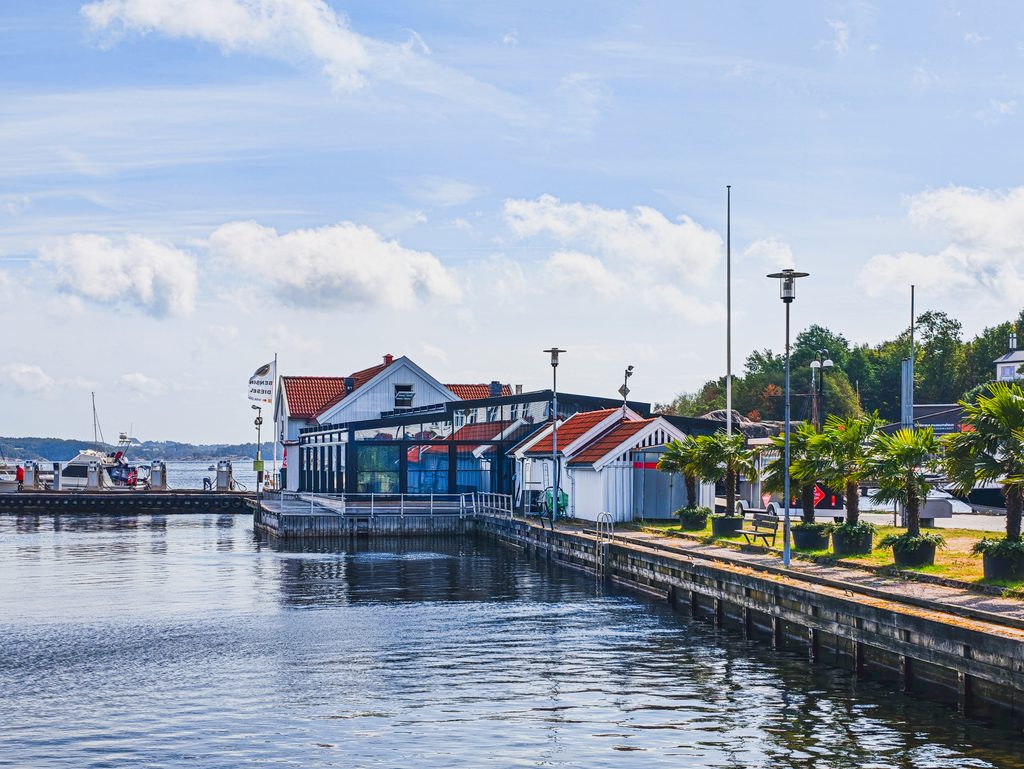
In my case, the biggest advantage turned out to be the place where I parked my truck. I stopped at a small, unmanned petrol station about 2.5 kilometres from the centre of Kristiansand. There were no toilets, showers or any other facilities for drivers, so in that respect, it was hardly an ideal place for a longer rest break. However, it had one huge advantage for me - its location.
I had my bicycle with me, so getting into the city wasn't a problem at all. Within a few minutes, I was already in the centre and could easily move between different places. If you're planning to use your rest break to explore Kristiansand, it's worth checking not only the facilities available at a parking area, but also its distance from the city and the options for getting there.
An official rest area for professional drivers in Kristiansand municipality is E39 Lonelier St1 in Søgne. The parking area has 25 spaces, toilets and showers, so it offers much better facilities than the place where I stopped. However, it's approximately 20 kilometres from the centre of Kristiansand. Public transport services are available in the Lonelier area, so it's worth checking the AKT Reise app for current connections and departure times to the city before setting off.
Another option is to stay within the ferry terminal. Drivers waiting for a crossing can spend the night there, but it's important to remember that the port is a restricted area. Leaving the terminal may make it difficult to get back to your truck, so it's not the best option if you're planning to head into the city for a few hours.
WAS IT WORTH VISITING KRISTIANSAND?
In my opinion, yes, although it's not a place I would go out of my way for, especially if it meant adding dozens, let alone hundreds, of kilometres to my journey. However, if you find yourself in this part of Norway and there isn't anything more spectacular nearby, Kristiansand is definitely worth a visit. The city itself is relatively small and has a peaceful, coastal atmosphere. I enjoyed the city centre, but Odderøya made the biggest impression on me. I particularly loved the area around the lighthouse, with its beautiful views of the sea and rocky coastline. It was there that I felt closest to the Norway I had imagined - a little more rugged, natural and open to the sea.
I wouldn't put Kristiansand among those places that leave you speechless from beginning to end. After all, Norway has fjords, mountains and viewpoints that a city like this simply can't compete with. But that's not really the point. Kristiansand has its own charm and several places that are genuinely worth seeing, especially if you enjoy a combination of city life, history and coastal scenery. In my case, an added bonus was that the visit happened almost by accident. If I hadn't managed to change my ferry reservation, Kristiansand would probably have remained nothing more than a name on a road sign and a place I passed through in my truck. Instead, an unplanned weekend gave me the opportunity to discover another destination I might return to one day, if only to explore Odderøya again.
GALLERY


DISCOVER MORE
LONDON – A CITY SEEN FROM THE THAMES
Z TAMIZY
A two-hour cruise along the Thames. See London’s most important landmarks from the deck of a boat and find out whether this way of exploring the city is really worth choosing.
SEEHOF PALACE - BAROQUE ELEGANCE NEAR BAMBERG
Four towers, green shutters, gardens and almost perfect symmetry. Seehof is a place worth exploring from every angle and enjoying without rushing.
ZUMAIA – EXTRAORDINARY CLIFFS OF THE BASQUE COUNTRY
Discover the extraordinary cliffs of Zumaia, walk along the Basque coast and find out why this place can captivate you whatever the weather.
Join the conversation